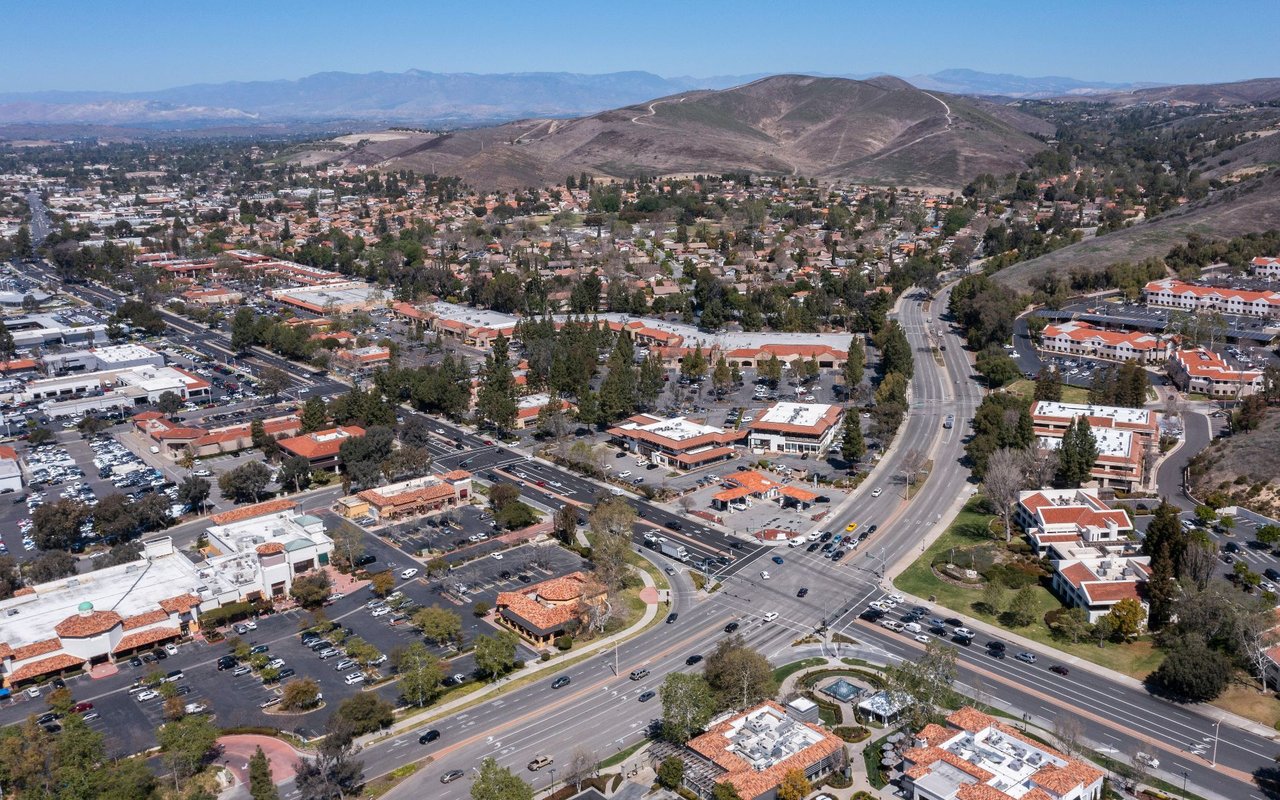
Thousand Oaks sits at Berkeley’s northern edge, bordering Albany and Kensington and surrounding the Berkeley stretch of Solano Avenue. Volcanic rock outcrops rise through gardens and pocket parks, curved residential streets hold distinctive early-20th-century homes, and shops and restaurants sit close by.
Those rocks helped shape the original street plan and still influence individual lots, landscaping, views, and how homes meet the terrain. That mix of architecture, geology, and everyday access gives Thousand Oaks a unique character all its own.
Thousand Oaks was subdivided beginning in 1909. Its curving streets were laid out around mature oaks and large rock formations, with some outcrops preserved in public parks and others incorporated into private gardens.
The neighborhood’s architecture reflects several early building periods. The Berkeley Architectural Heritage Association documents rustic Arts and Crafts houses, Craftsman bungalows, and work by architects including John Hudson Thomas and the Newsom brothers. Tudor, Mediterranean, and Colonial Revival houses followed during the 1920s and 1930s.
Buyers may encounter modest bungalows, larger period homes, and unique architect-designed properties. Near Solano Avenue, grades are generally gentler and shops are closer. Farther east toward The Alameda, Arlington Avenue, and Kensington, the streets curve and rise, bringing more varied lots and occasional Bay views.
Solano Avenue is the neighborhood’s main commercial corridor, with restaurants, cafes, shops, bookstores, and everything in between extending west into Albany. The annual Solano Avenue Stroll fills the mile-long corridor with food, music, community groups, and local vendors.
Thousand Oaks’ rock parks give the neighborhood another gathering point. Great Stoneface Park places trails, a lawn, picnic space, and climbing rocks within a residential block. Nearby Indian Rock Park offers larger formations, climbing routes, and wide views across the Bay.
On the northern edge, Kensington’s Colusa Circle and Arlington Avenue add more options for groceries, coffee, meals, and everyday errands. Thousand Oaks does not have its own BART station, but El Cerrito Plaza and North Berkeley provide nearby access depending on the starting block and route.
Rachel Melby
Great Stoneface Park: “ A playground made entirely of ancient outcroppings are perfect for littles to climb and explore, and plenty safe for parents to sit idle on a picnic blanket”
Rachel Sheftel
Of All Places: “This family-run market has the best specialty food products. Hot take: edible gifts are the best gifts.”
Indian Rock Park: “This impressive outcropping is prime sunset watching. Bring some Cheeseboard pizza for the full Berkeley experience.”
Buying in Thousand Oaks starts with deciding which parts of the neighborhood you want closest to home.
Near Solano Avenue, restaurants, shops, and daily errands are easy to reach on foot.
Around Thousand Oaks Boulevard and the rock parks, curved streets, natural outcrops, and early architecture define the setting.
Farther east toward The Alameda and Arlington Avenue, rising terrain can bring views, more varied lots, and quick access to Kensington.
On the western side, Albany’s stretch of Solano Avenue and El Cerrito Plaza BART become easier to reach.
For older homes in Thousand Oaks, make sure to review foundation and seismic work, electrical and plumbing systems, roof and drainage history, permits, additions, and converted spaces. On rockier or sloped lots, understand drainage, retaining walls, access, and how the foundation meets the terrain.
For buyers drawn to distinctive early architecture, neighborhood shops and restaurants, Berkeley Unified schools, rock parks, and streets shaped by natural landscape, Thousand Oaks stands apart. Solano Avenue handles the practical side of daily life, while the homes, gardens, and stone outcrops give the neighborhood its unmistakable identity.
4,417 people live in Thousand Oaks, where the median age is 55 and the average individual income is $111,681. Data provided by the U.S. Census Bureau.
Total Population
Median Age
Population Density Population Density This is the number of people per square mile in a neighborhood.
Average individual Income
Thousand Oaks has 1,951 households, with an average household size of 2. Data provided by the U.S. Census Bureau. Here’s what the people living in Thousand Oaks do for work — and how long it takes them to get there. Data provided by the U.S. Census Bureau. 4,417 people call Thousand Oaks home. The population density is 17,756 and the largest age group is Data provided by the U.S. Census Bureau.
Total Population
Population Density Population Density This is the number of people per square mile in a neighborhood.
Median Age
Men vs Women
Population by Age Group
0-9 Years
10-17 Years
18-24 Years
25-64 Years
65-74 Years
75+ Years
Education Level
Total Households
Average Household Size
Average individual Income
Households with Children
With Children:
Without Children:
Marital Status
Blue vs White Collar Workers
Blue Collar:
White Collar: