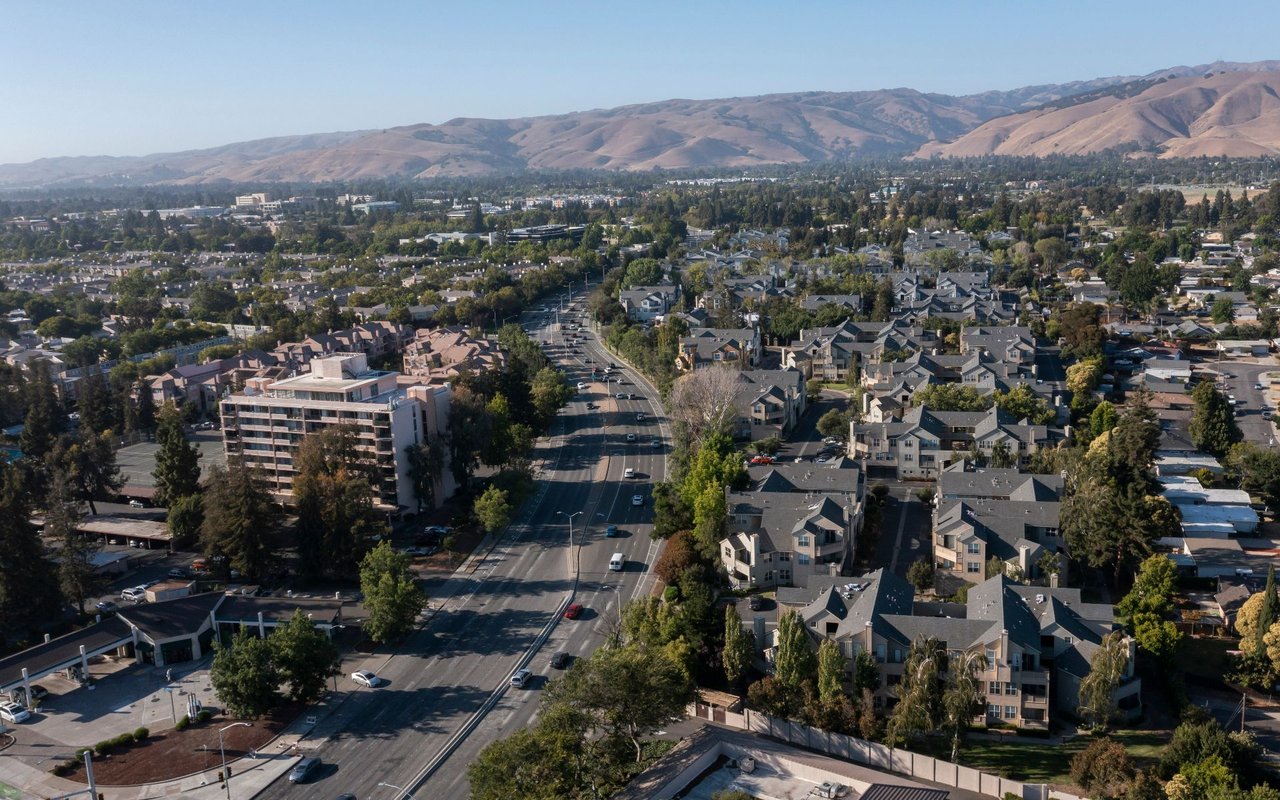
Albany, California, is a small Inner East Bay city bordered by Berkeley, El Cerrito, Richmond, and the San Francisco Bay. It packs a lot into a compact footprint: tree-lined residential blocks, a lively local shopping scene, nearby BART access, neighborhood parks, Albany Unified schools, and the waterfront within easy reach.
Most homes sit on a flat, compact street grid, with Albany Hill adding slopes, views, and open space on the west side. The city is easy to get around, with distinct pockets around Solano Avenue, the BART tracks, San Pablo Avenue, and Albany Hill.
Albany’s homes are full of character and are often modest in scale. Much of the city was built in the 1920s and 1930s on narrow lots. You’ll find California bungalows, Spanish Revival and Tudor homes, plus small apartment buildings and condominiums closer to the larger corridors. Original fireplaces, built-ins, arches, and generous front windows that bring in plenty of sunlight are also common.
The MacGregor home is an Albany signature. The city estimates that Charles Manning MacGregor built around 1,500 homes here, often as compact two- or three-bedroom houses with efficient floor plans and thoughtful details.
Most streets east of San Pablo Avenue follow the flatter grid. Around Albany Hill, slopes and views change the feel, while condominiums along Pierce Street add a different kind of Albany living. Additions and conversions can make older homes work beautifully, but they may also change the light, flow, storage, parking, or yard space. Understanding how the house has evolved over time is an important part of evaluating it.
Much of everyday life in Albany runs through Solano Avenue, with restaurants, cafes, boutiques, shops, and services continuing into North Berkeley. The avenue also hosts the annual Solano Avenue Stroll, a mile-long street festival with plenty of food, music, and fun for the whole family.
Memorial Park, the Albany Library, and the Community Center all sit within a few blocks of Solano Avenue. At the waterfront, the Albany Bulb pairs breathtaking views with unique public art installations, and opens up into the Bay. And the Ohlone Greenway, which runs about a mile through Albany, creates a direct walking and biking route toward Berkeley and El Cerrito.
Also, for many buyers Albany’s public school district is a major draw.
Rachel Melby
Umami: “A maximalist fever dream! Eclectic mix of vintage and ethically sourced homewares and gifts.”
Tay-Tah: “My kids say their boba is the best; I come for the banh mi, which is top-notch. Something for everybody!”
Rachel Sheftel
Morningtide: “Super thoughtful curation of homegoods. They have an amazing selection of consignment clothing and it always feels good to give someone else’s clothes a new life!”
Hal’s Office Coffee Shop: “Vibes are immaculate. With the bustling parklet, Hal’s often feels like the heartbeat of Albany. My favorite place to sit with a coffee and the New York Times crossword.”
In Albany, a few blocks can change how a home feels.
Near Solano Avenue, restaurants, shops, and everyday errands are just a short walk away.
Homes near Masonic Avenue and the Ohlone Greenway offer convenient access to walking, biking, and BART.
Albany Hill brings more varied terrain, Bay views, and nearby open space.
Albany’s older homes often come with original character and thoughtful updates. Reviewing foundation and seismic work, electrical and plumbing systems, roof and drainage history can help buyers understand how a home has evolved.
For buyers drawn to older homes with more character, independent shops and restaurants, useful transit, great local school systems, and quick access to parks and the Bay, Albany offers a compelling combination. Its compact scale puts many of the city’s best features close to home, fitting perfectly into everyday life.
19,768 people live in Albany, where the median age is 37.8 and the average individual income is $72,518. Data provided by the U.S. Census Bureau.
Total Population
Median Age
Population Density Population Density This is the number of people per square mile in a neighborhood.
Average individual Income
Albany has 7,673 households, with an average household size of 2.5. Data provided by the U.S. Census Bureau. Here’s what the people living in Albany do for work — and how long it takes them to get there. Data provided by the U.S. Census Bureau. 19,768 people call Albany home. The population density is 11,044 and the largest age group is Data provided by the U.S. Census Bureau.
Total Population
Population Density Population Density This is the number of people per square mile in a neighborhood.
Median Age
Men vs Women
Population by Age Group
0-9 Years
10-17 Years
18-24 Years
25-64 Years
65-74 Years
75+ Years
Education Level
Total Households
Average Household Size
Average individual Income
Households with Children
With Children:
Without Children:
Marital Status
Blue vs White Collar Workers
Blue Collar:
White Collar: