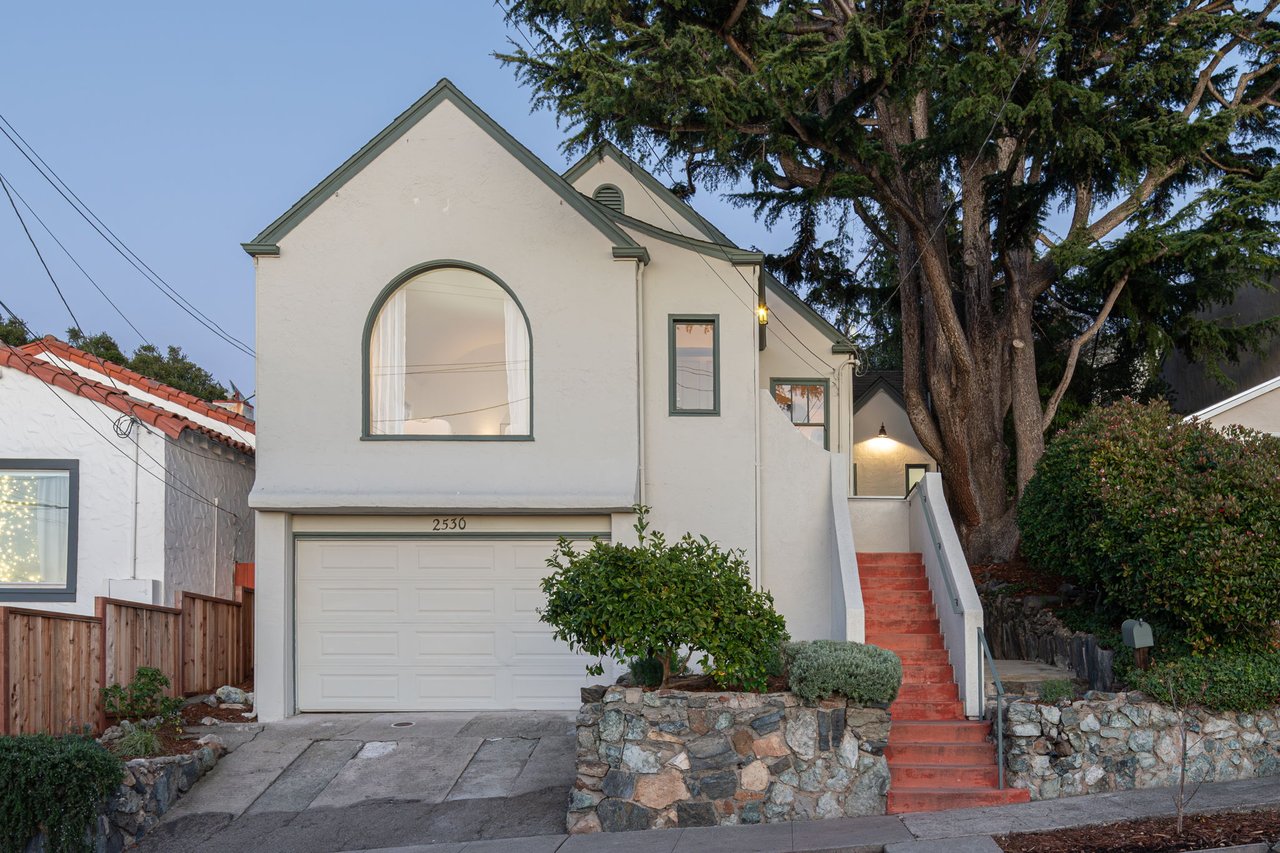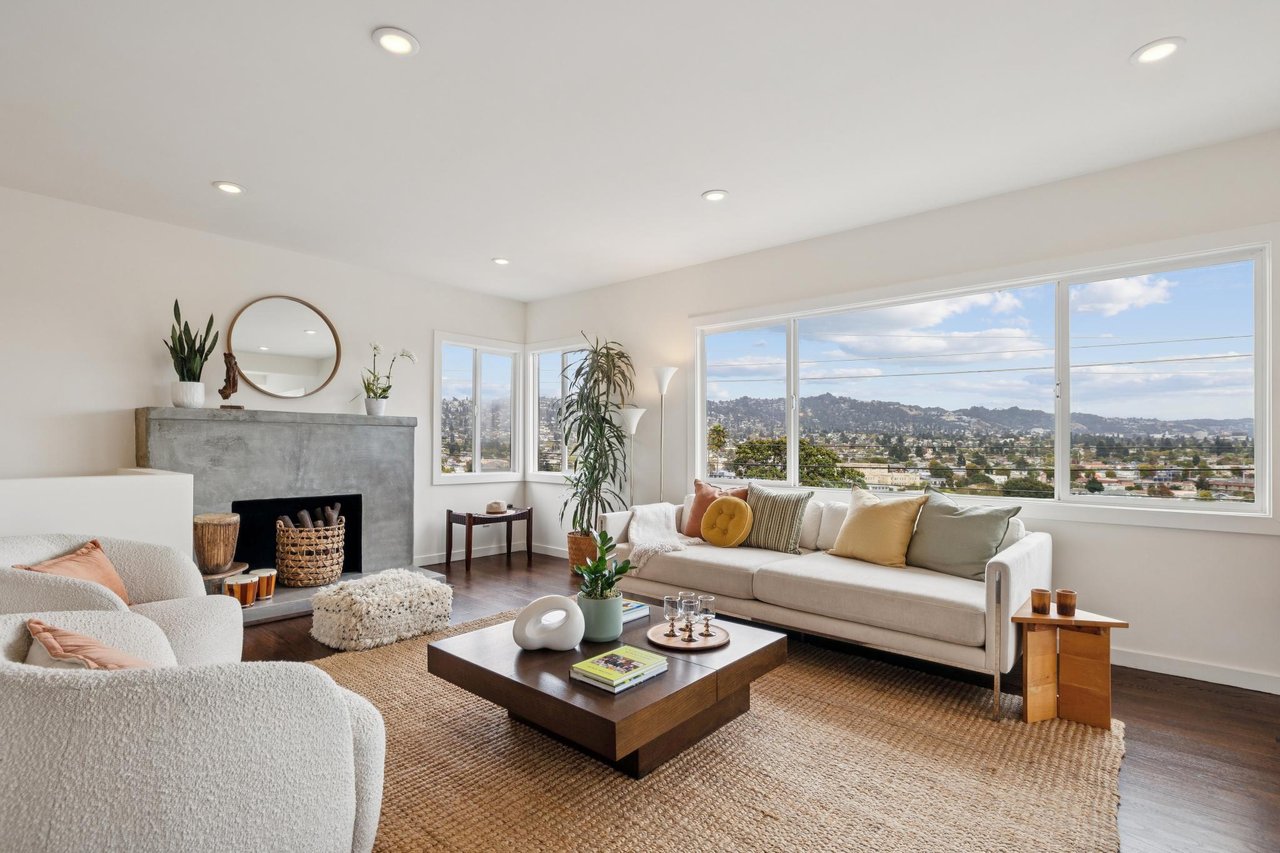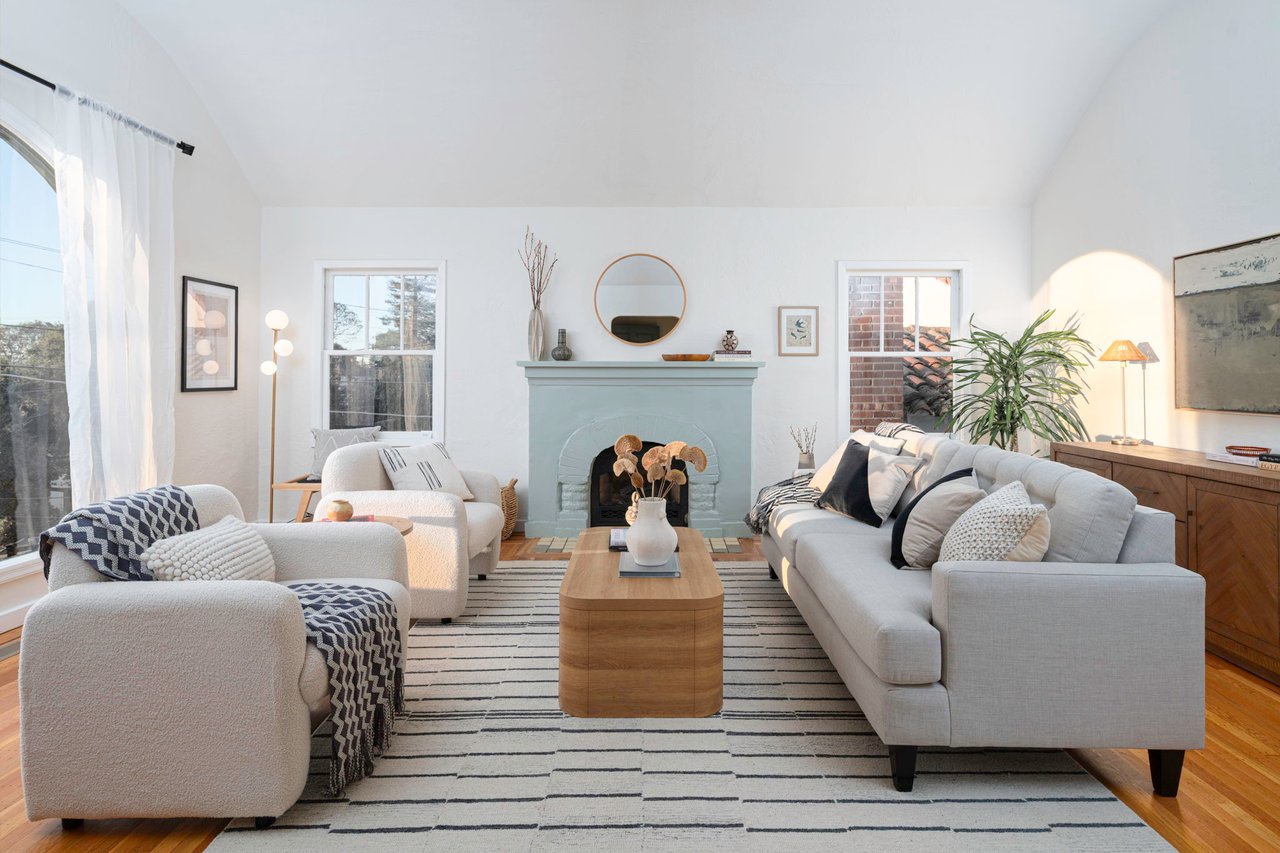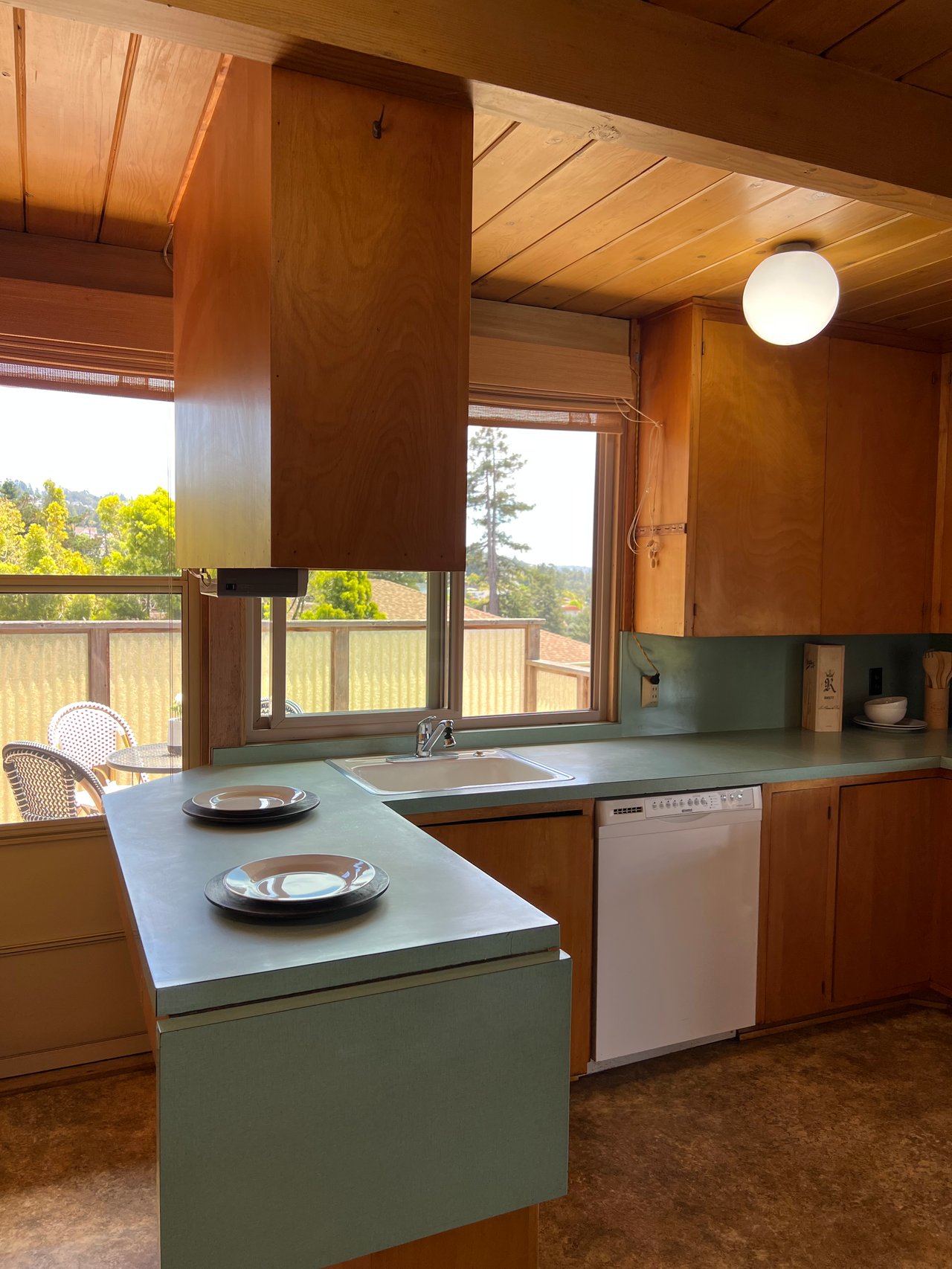
Listing filters are useful for narrowing an East Bay home search by price, location, bedrooms, bathrooms, and square footage. But they can’t tell you how morning light reaches the kitchen, whether the layout supports your routines, or how the home relates to the block around it.
Finding the right home often requires looking beyond its searchable specifications and deciding what you want the space to make possible.
Translate features into everyday needs
Start by asking what you want each feature to make possible. An additional bedroom might provide a quiet place for video calls away from the main living area. What sounds like a need for a large yard may actually be a desire for a sunny patio with enough room to eat outside.
Before opening the East Bay listings, translate your ideal routines into observable qualities:
Where would you spend the beginning and end of the day?
Do you prefer connected living spaces or clearly separated rooms?
How much indoor and outdoor maintenance fits your plans?
Which rooms need privacy, natural light, or flexibility?
What do you want to reach easily from the front door?
Which qualities would be difficult or impossible to add later?
Those answers give you a more useful way to assess homes than a long list of preferred features.
Pay attention to how the home lives
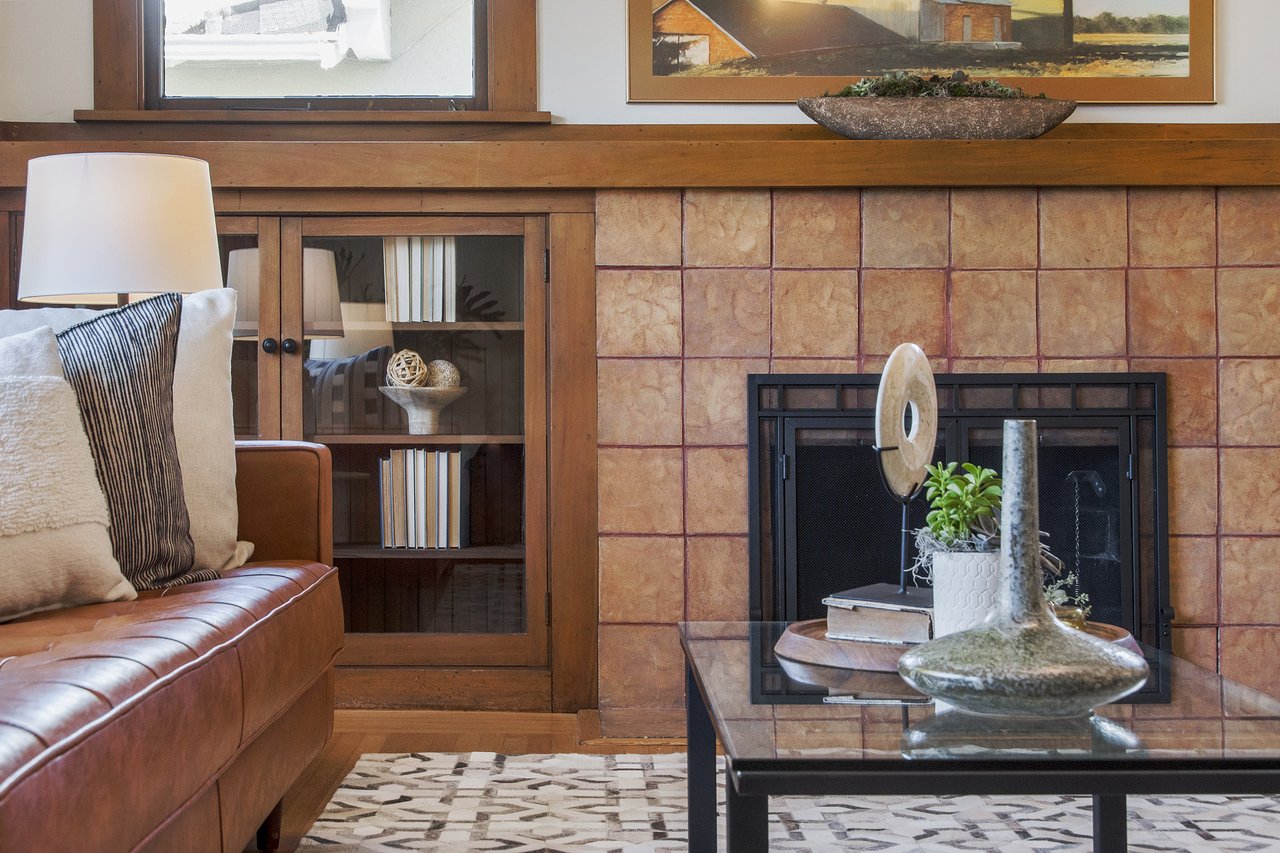
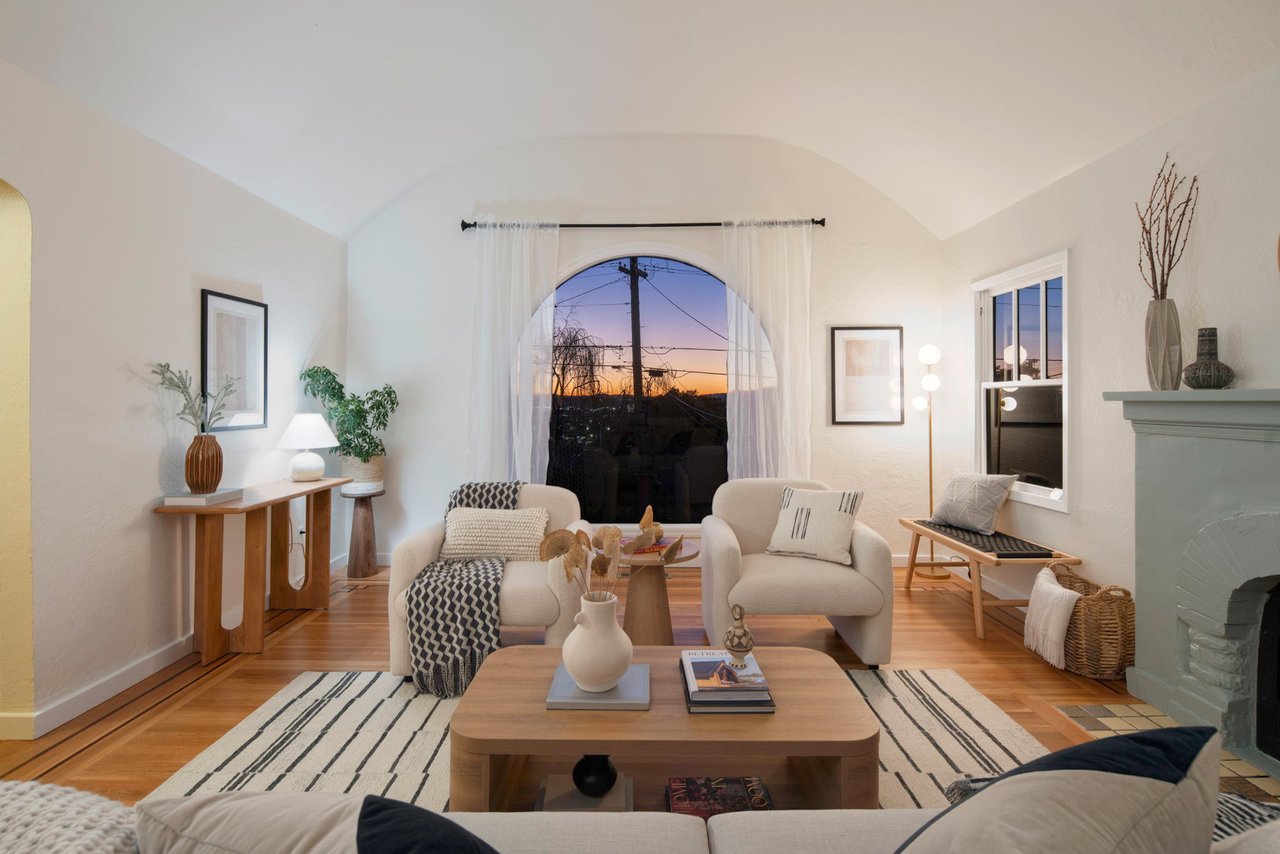
Square footage doesn’t explain how effectively that space works. Two similarly sized homes can feel entirely different because of their circulation, ceiling height, windows, storage, or relationship with the outdoors.
During a tour, notice how you move between the rooms. Look for places where everyday activities would naturally happen. Consider whether a formal dining room, enclosed porch, detached garage, or landing could serve a purpose that isn’t reflected in its listing label.
The home’s age and architectural style also matter. A Berkeley Craftsman, Albany Mediterranean home, and El Cerrito mid-century house may distribute the same amount of space very differently.
Look beyond the property itself
The experience of a home begins before you reach the front door. Its position on the block, elevation, orientation, and nearby routes can shape how it feels every day.
A hillside property may prioritize views, privacy, and a relationship with the landscape. A home in the flats may offer a more direct connection to BART, commercial corridors, parks, or bike routes.
Spend time walking around each property rather than moving immediately to the next tour. A map can show distance, but it can’t recreate the grade of a street, the experience of a crossing, or how naturally a destination fits into the route.
Separate the fixed qualities from the flexible ones
Paint, fixtures, and room uses can evolve. Orientation, lot position, ceiling height, and the home’s relationship with its surroundings are much harder to alter.
A home can be imperfect and still offer the qualities that will matter most over time. We help buyers separate the changes that require imagination or investment from the parts of a property that cannot easily be recreated.
If the listing filters have taken your search as far as they can, we can help you look more closely at what the homes themselves have to offer.