El Cerrito is compact, but its homes vary quite a bit. A short drive can take you from a level street near BART to a winding hillside block with Bay views. And along the drive, the terrain, housing style, transit access, and outdoor space all change.
Citywide numbers offer a quick orientation. But once you start looking seriously, the details of each address become far more useful. What does this home offer, and which parts of it matter most to you?
Here are the questions we use to make that comparison more concrete.
Is El Ceritto one housing market?
The citywide market includes several types of homes and settings. Its statistics combine properties that buyers may not see as close substitutes.
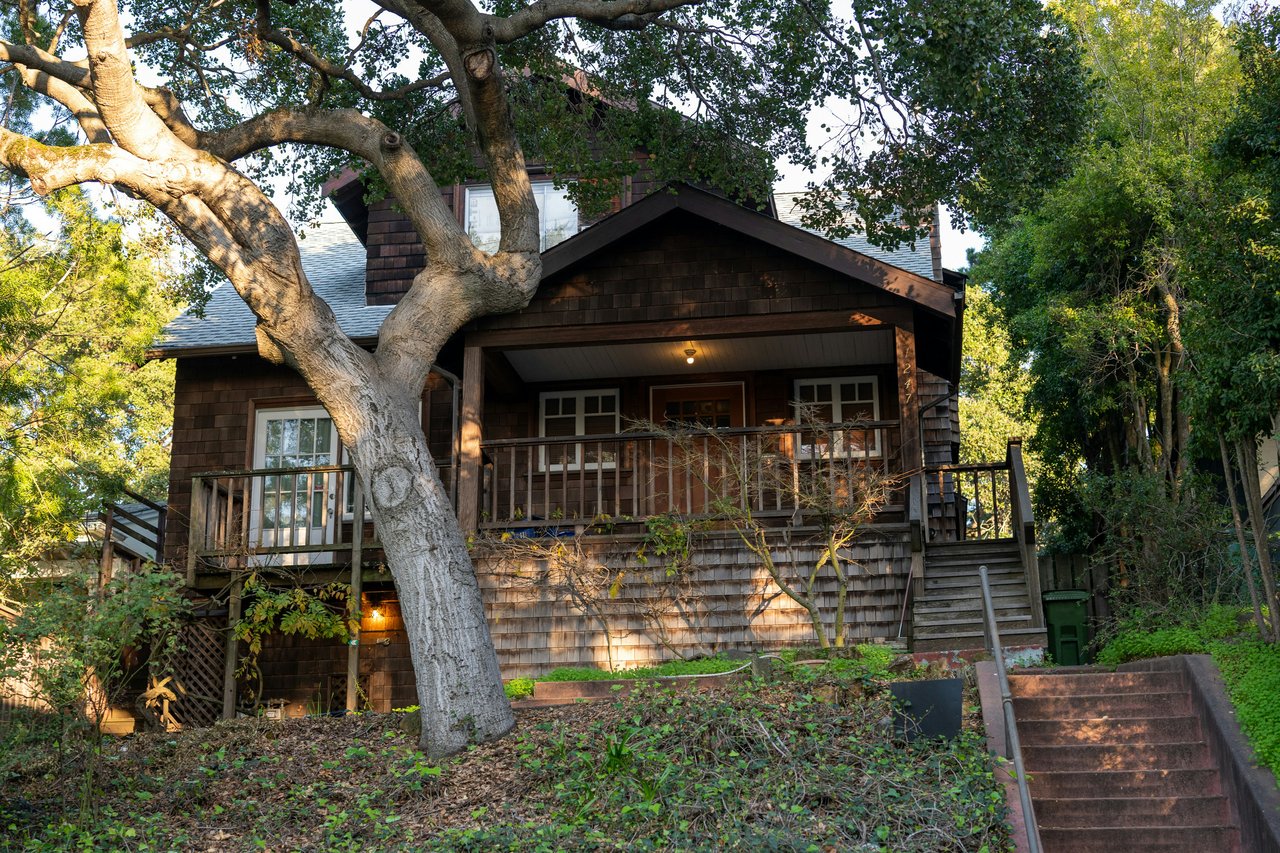
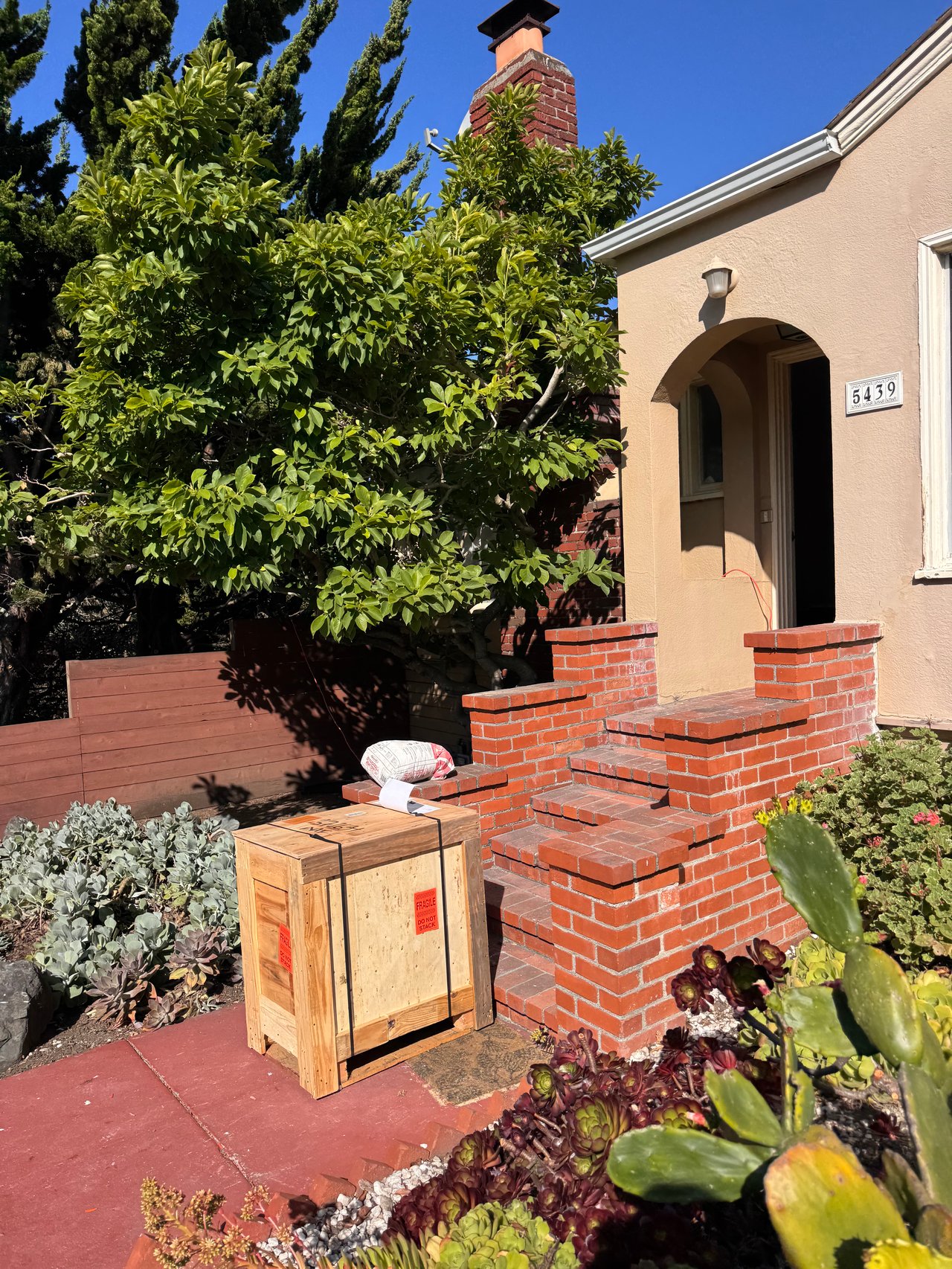
A level-lot bungalow near El Cerrito Plaza, a postwar home above Moeser Lane, and a custom house near the ridge can differ in many ways beyond square footage. Grade, views, condition, architectural character, parking, outdoor access, and proximity to transit can all shape demand.
When evaluating a home or planning an offer, we study recent sales that resemble the property in the ways buyers value. The right comparison set may be smaller than a neighborhood name — sometimes only a few blocks.
What changes as you move from the flats to the hills?
The shift is physical before it is financial.
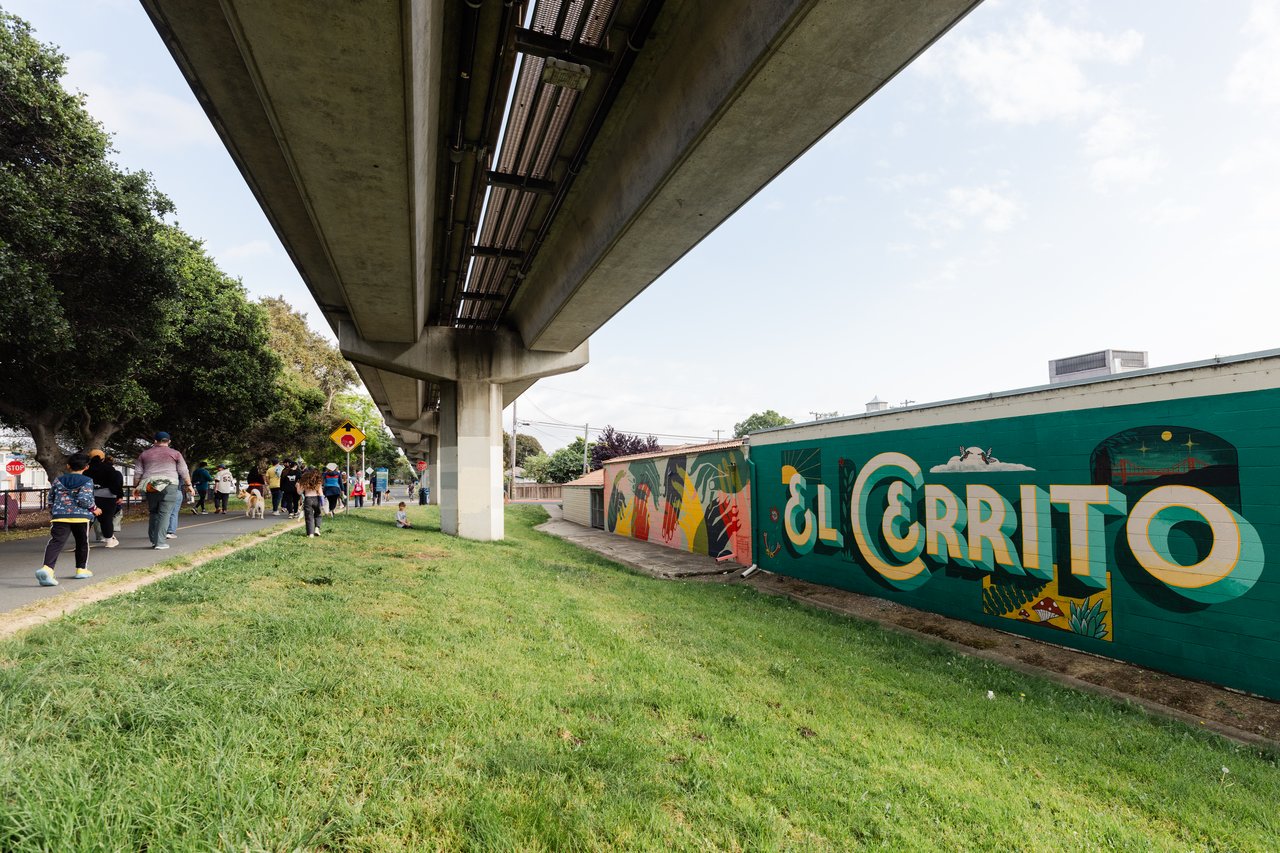
In flatter parts of El Cerrito, homes are more likely to sit on a connected street grid with easier walking or biking access to BART, the Ohlone Greenway, and San Pablo Avenue. Lots and houses still vary, but daily movement tends to be more straightforward.
As streets climb east, many homes gain Bay views, a closer connection to open space, and more varied floor plans. Steeper driveways, stairs, retaining walls, drainage systems, and lots shaped by the terrain also become more common. The combination gives each hillside property a distinct relationship to its site.
Two hillside houses of similar size may live very differently because one has level entry and usable outdoor space while the other is arranged across several levels. In the flats, a few blocks can change the walk to transit, parks, or shopping. Visiting the address helps you understand how the location would work day to day.
How much does BART access vary by address?
El Cerrito has two BART stations: El Cerrito Plaza and El Cerrito del Norte. Both are served by the Richmond–Berryessa/North San José and Richmond–Millbrae/SFO lines. However, “near BART” can still mean different things in daily life.
Test the actual route from the house. Is it a comfortable walk for you? Does it involve a climb, a major crossing, or a bus connection? Would you bike, and is there secure storage at the station you would use? Those answers offer more context than a straight-line distance.
The area around El Cerrito Plaza is also changing. According to BART’s project page, the first 70-home building in a planned six-building development broke ground in November 2025. The full plan calls for 743 homes, new public open space, improved station access, and possible space for a future library. Future phases depend on funding, and BART describes the work as a multi-phase project.
What kind of houses will I find in El Cerrito?
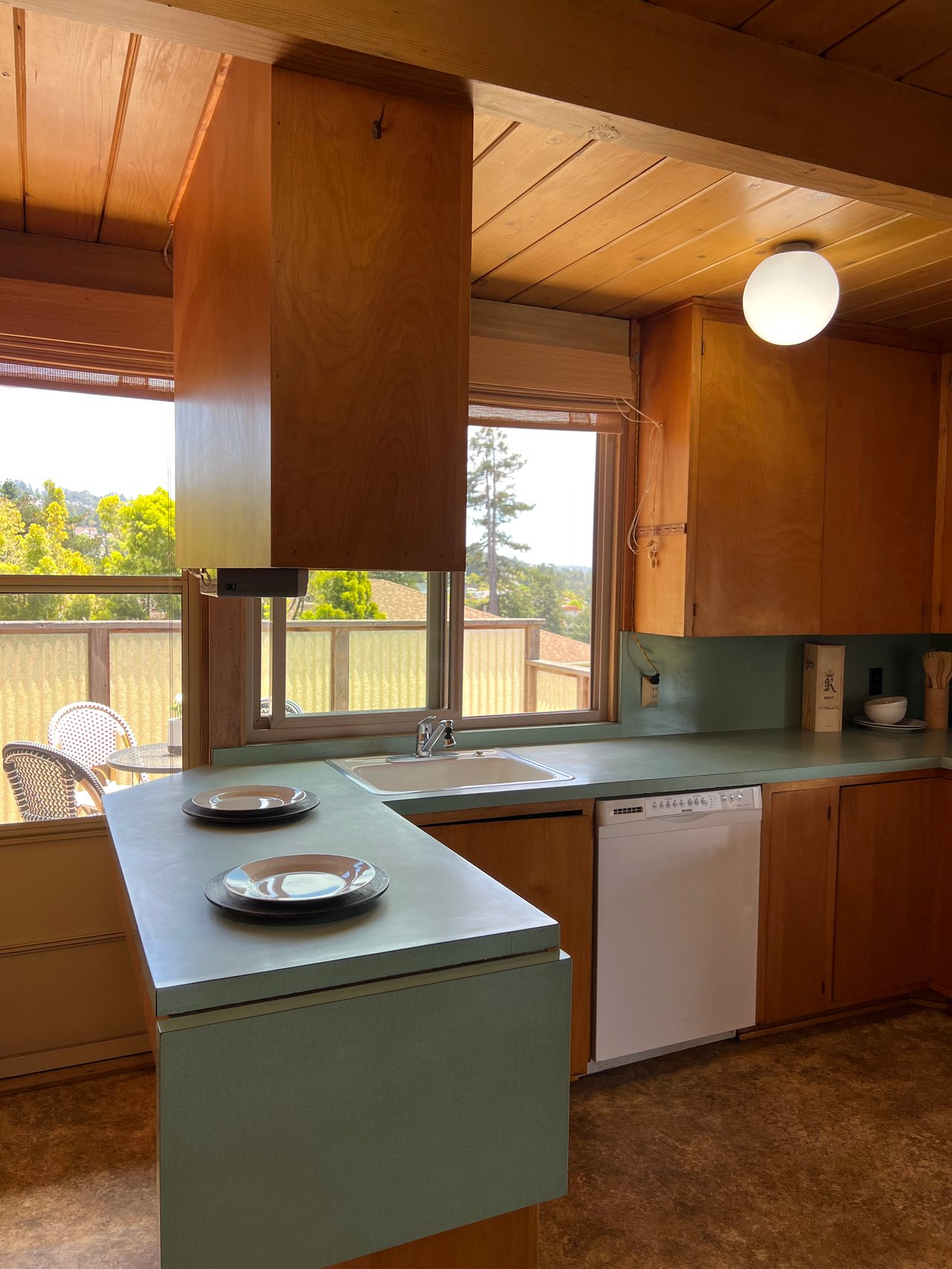
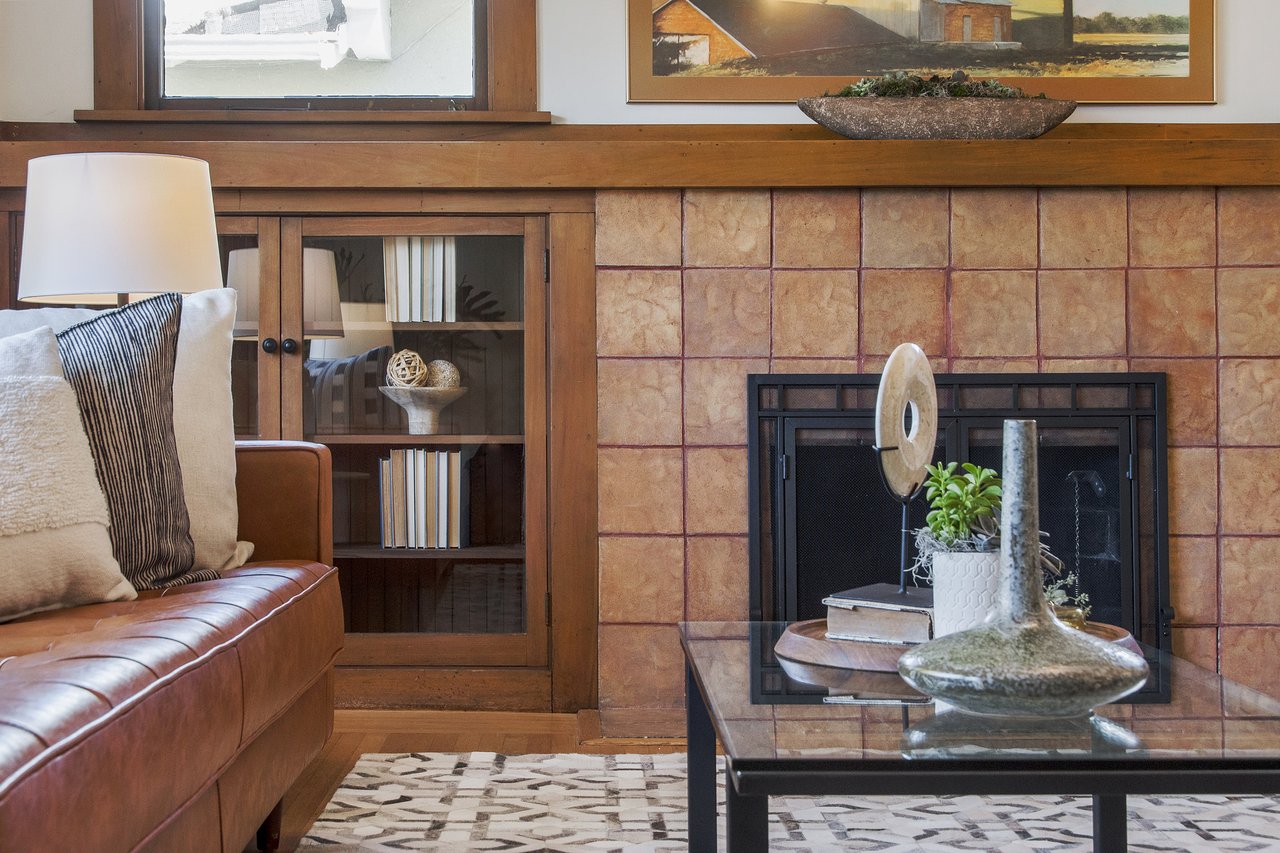
El Cerrito’s housing stock reflects several periods of growth. Early cottages and bungalows remain in parts of the flats. Spanish Revival and other prewar homes appear throughout the city. Postwar growth brought ranch houses, modest modern homes, and a collection of architect-designed midcentury houses, especially on sites where slope and views became part of the design.
Listing labels can help you begin identifying a home’s style. The physical features tell you more: roof form, window placement, natural light, indoor-outdoor connections, original built-ins, later additions, and the way the floor plan responds to the lot.
Do hillside homes require different due diligence?
Hillside properties benefit from address-specific due diligence.
Useful questions include: How is water directed around the house? What do the disclosures and inspections say about drainage, foundations, and retaining walls? Are additions and decks permitted? How easy is the site to access for future work? A well-designed hillside home often uses changes in level to create views, privacy, and direct connections to outdoor space.
The City’s planning and GIS tools provide useful address-level information. Inspections and advice from qualified structural, geotechnical, drainage, or insurance professionals can add property-specific detail.
What should buyers know about wildfire zones and insurance?
Check the address early so you have time to understand the current requirements and insurance options.
In 2025, El Cerrito adopted updated fire-hazard zones and inspection procedures. The City’s fire-zone guidance says sellers of properties in high or very high fire-hazard severity zones must request a defensible-space and home-hardening inspection and provide the report to prospective buyers. The local ordinance also incorporates the state’s “Zone Zero” focus on reducing combustible material within five feet of a home.
Fire-hazard designations describe conditions that influence wildfire behavior. They can affect maintenance obligations, disclosures, and insurance. An insurance professional can review the exact address and coverage options during your investigation period.
Can I add an ADU or expand the house?
Many El Cerrito properties offer possibilities for an addition, conversion, or accessory dwelling unit. Feasibility depends on the address and the proposed design.
The City’s ADU guidance directs owners to evaluate zoning, setbacks, height, lot coverage, and environmental constraints such as fire, flood, and landslide zones. Planning review is required for many additions and for some ADUs; building permits and other agency fees may also apply. On a sloped site, access, grading, retaining systems, and drainage can influence the design.
If future expansion is central to your purchase, review the property’s permit history, and consult the City and appropriate design or construction professionals. Their input will help you understand what may be possible before you build that plan into your budget.
How should I evaluate schools?
Start with the current assignment for the exact address, then verify it with the school district.
School boundaries, enrollment procedures, and programs can change. Ratings compress many different inputs into one score, so families may also want to consider the programs and campus experience that matter to them. West Contra Costa Unified School District provides a current school locator and enrollment resources. Visit campuses, review current district information, and ask questions based on your own priorities.
Are there El Cerrito-specific costs to plan for?
Yes. According to the City’s current guidance, El Cerrito imposes a real property transfer tax equal to 1.2% of the sale price. How that cost is allocated is part of the transaction, so confirm it with your agent and closing professionals.
The City also offers a program that may rebate some transfer tax for qualifying seismic, energy, or water-conservation work completed within the stated eligibility window. Rules, permits, and documentation matter, so verify the current requirements before budgeting around a rebate.
With an older home, inspections may identify updates involving sewer laterals, electrical service, seismic improvements, roofs, or drainage. Many El Cerrito owners have already invested in this work. Disclosures, permit records, inspections, and bids will show what has been completed and help you budget for future projects.
What should I compare before making an offer?
The strongest comparison includes:
recent sales with similar location, terrain, size, condition, and property type;
the usefulness of the floor plan and outdoor space alongside the square footage;
access, stairs, parking, and the route to the places you expect to use;
documented improvements, permits, and planned maintenance;
hazard-zone, insurance, and site-specific investigation results; and
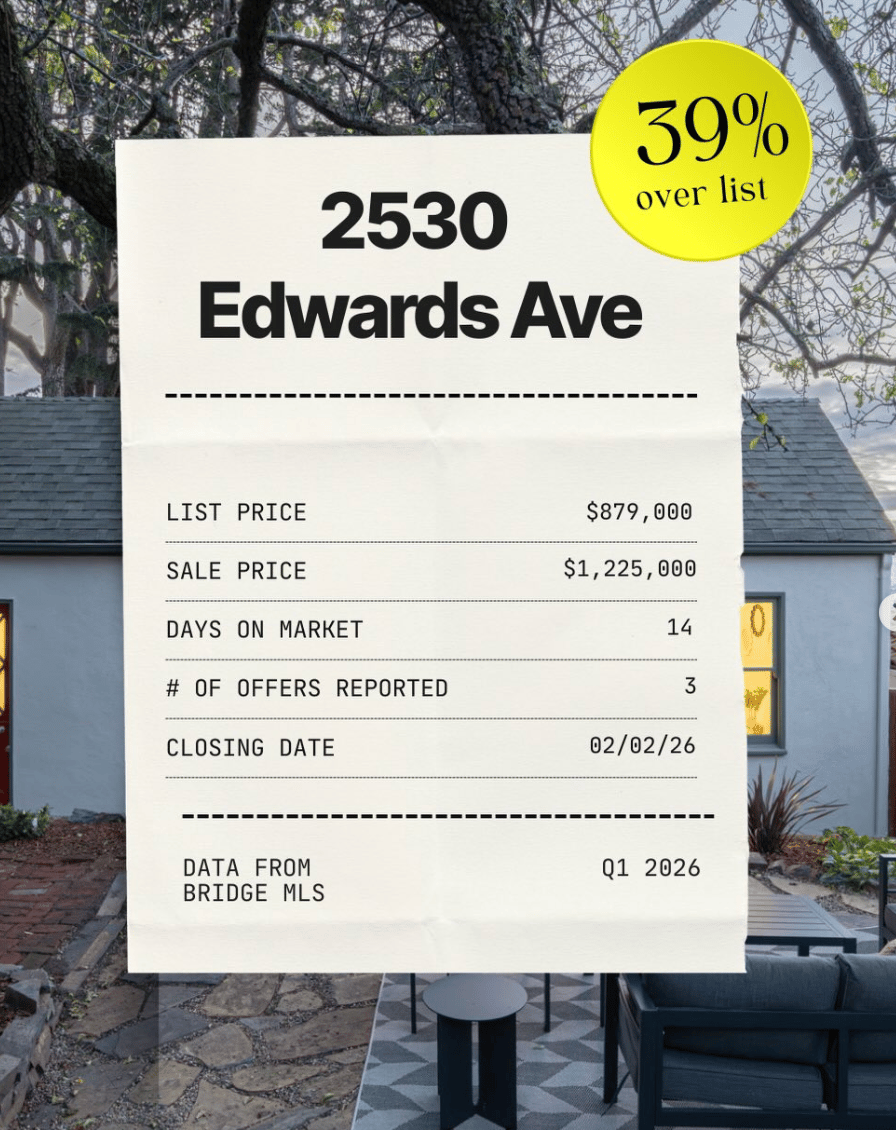
the terms and competition surrounding the sale, as well as its final price.
Together, those details give you a clearer read on the value of a particular house than a citywide median can provide.
What is the best way to start my El Cerrito home search?
Decide which daily factors matter most to you: transit, grade, outdoor space, architectural character, project tolerance, views, parking, or room to grow.
Then spend time at the addresses themselves. Walk the route you would actually take, visit at a useful time of day, and notice the grade, light, traffic, and the way the house meets its lot. El Cerrito’s block-by-block variety gives buyers many ways to find the right combination of home and location.
There are a lot of questions to answer, and we know it can feel overwhelming at times. The Little Hill Real Estate is here to help you compare the homes, blocks, and recent sales that are relevant to your search, and find you the perfect home. Meet the team, or get in touch to start with the questions that matter to you.