Two homes can both be described as “near BART” and offer very different commuting experiences. Station distance matters, along with the walking route, train frequency, transfers, elevation, and available bus or bike connections.
Testing the entire trip will tell you whether BART is likely to become part of your routine.
What does “near BART” actually mean?
There is no universal distance that makes a home convenient to BART. A flat walk along a direct route may feel easier than a shorter trip involving a steep hill or major crossing. For some people, biking or taking a connecting bus expands the practical radius around a station.
Rather than relying on distance alone, test the entire trip:
Walk from the home to the station at your normal commute time
Check the route after dark as well as during the day
Look at the number of transfers required for regular destinations
Confirm current schedules using the official BART trip planner
Consider how biking, buses, parking, or drop-offs might fit into the trip
Repeat the journey in the opposite direction at the end of the day
Time the trip from the front door to your actual destination. That complete journey is a much more useful measurement than the minutes spent aboard the train.
How do Inner East Bay stations differ?
Several Inner East Bay communities have direct access to BART, but each station relates differently to the surrounding area.
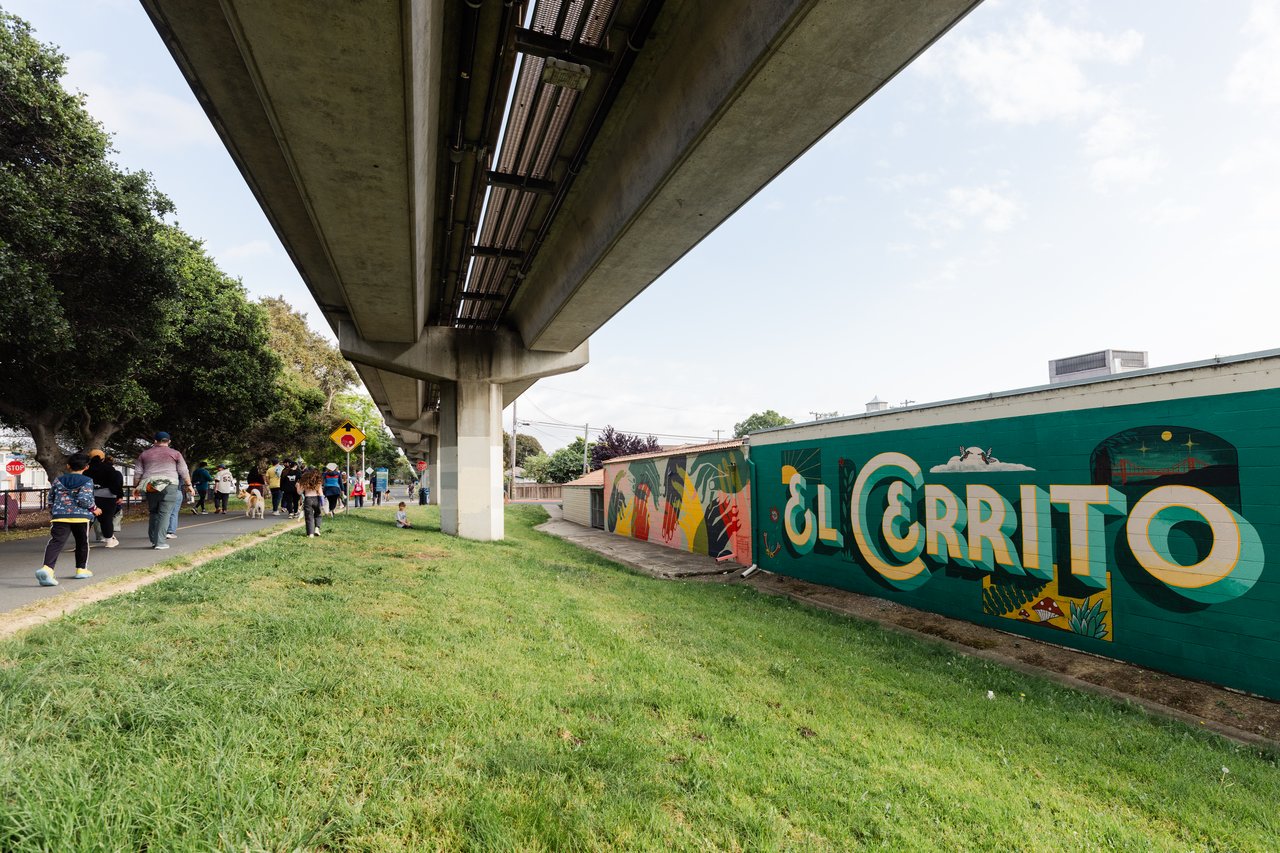
North Berkeley BART connects directly with the Ohlone Greenway and sits within a primarily residential area. El Cerrito Plaza is close to shops, the Greenway, and flatter residential streets, while El Cerrito del Norte serves as a connection point for several regional bus systems.
In Rockridge, the station sits directly along College Avenue’s commercial corridor. Homes farther into El Cerrito, Berkeley, or Kensington may still offer useful station access, but hills, bus connections, biking routes, or driving become a larger part of the equation.
Test the routine before committing to it
A listing may describe a home as “minutes from BART,” but the most meaningful measurement is how the trip fits into your life.
Make the commute, walk the surrounding blocks, and spend time near the station outside peak hours. Sometimes the home that works best is a little farther away but offers a better route, setting, or balance of space and access.
If BART is central to your search, we’d love to help you compare how different stations and nearby streets function in practice.