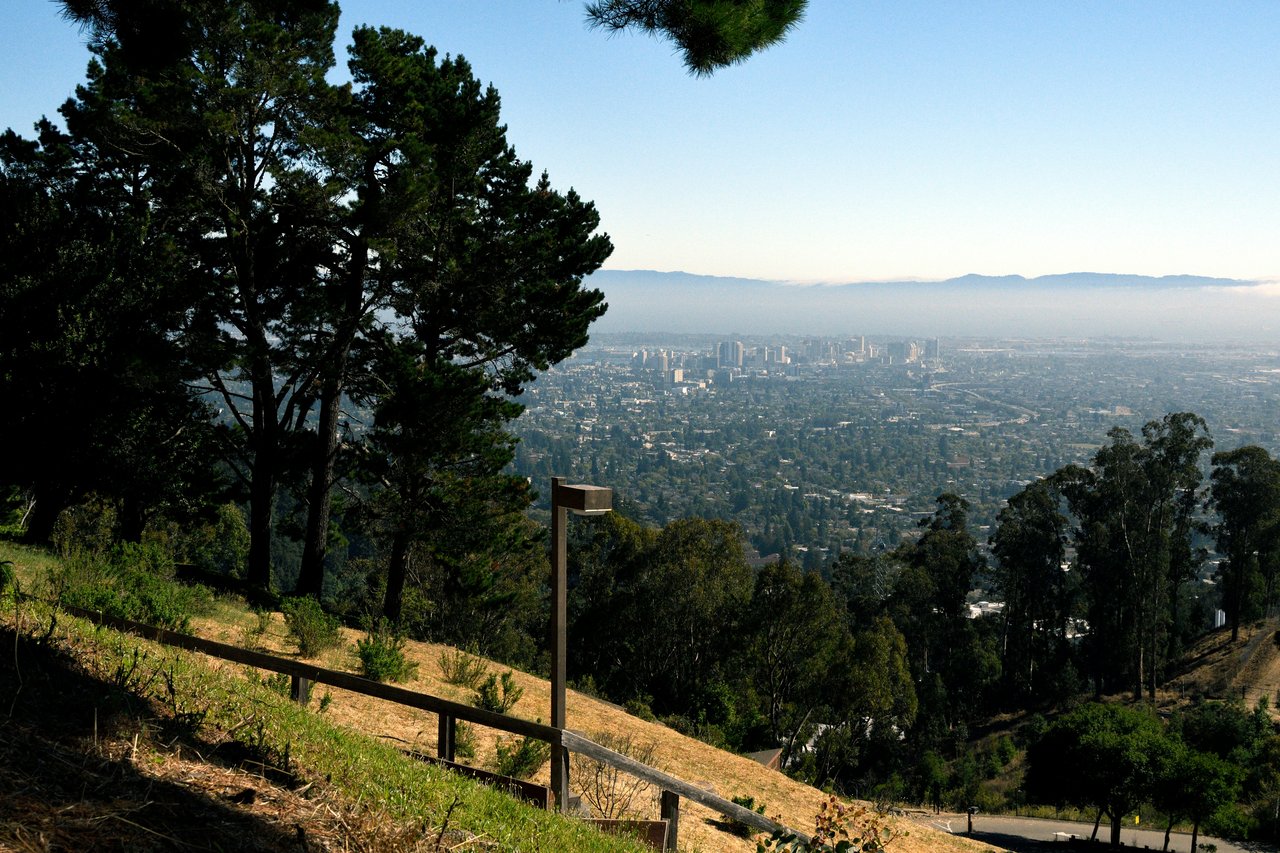
In the Inner East Bay, choosing a home often means choosing a relationship with the landscape.
Hillside homes may offer expansive views, interesting architecture, and a closer relationship with the surrounding terrain. Flatter areas often provide more direct access to commercial corridors, transit, parks, and bike routes. Each setting creates a different daily rhythm that may be difficult to appreciate from a listing alone.
What do “hills” and “flats” mean in the Inner East Bay?
The terms are useful shorthand, not formal boundaries. Berkeley transitions from relatively flat land near the Bay to steep terrain along its eastern edge, while El Cerrito rises from San Pablo Avenue toward the East Bay hills. Communities such as Kensington sit largely above the main commercial and transit corridors.
There is plenty of middle ground, too. A home may sit on a gently sloped street with partial views while remaining close to shops, transit, and everyday errands.
What is everyday life like in the hills?
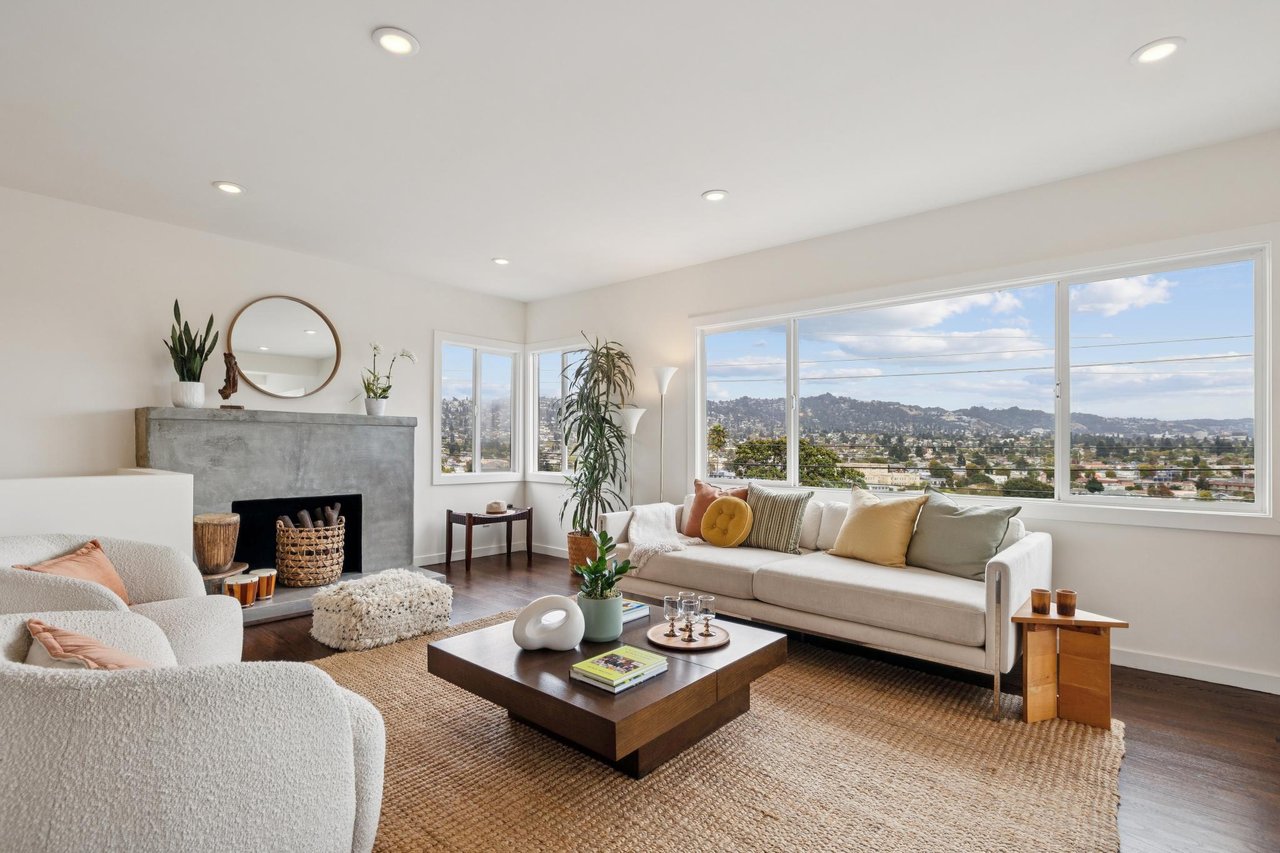
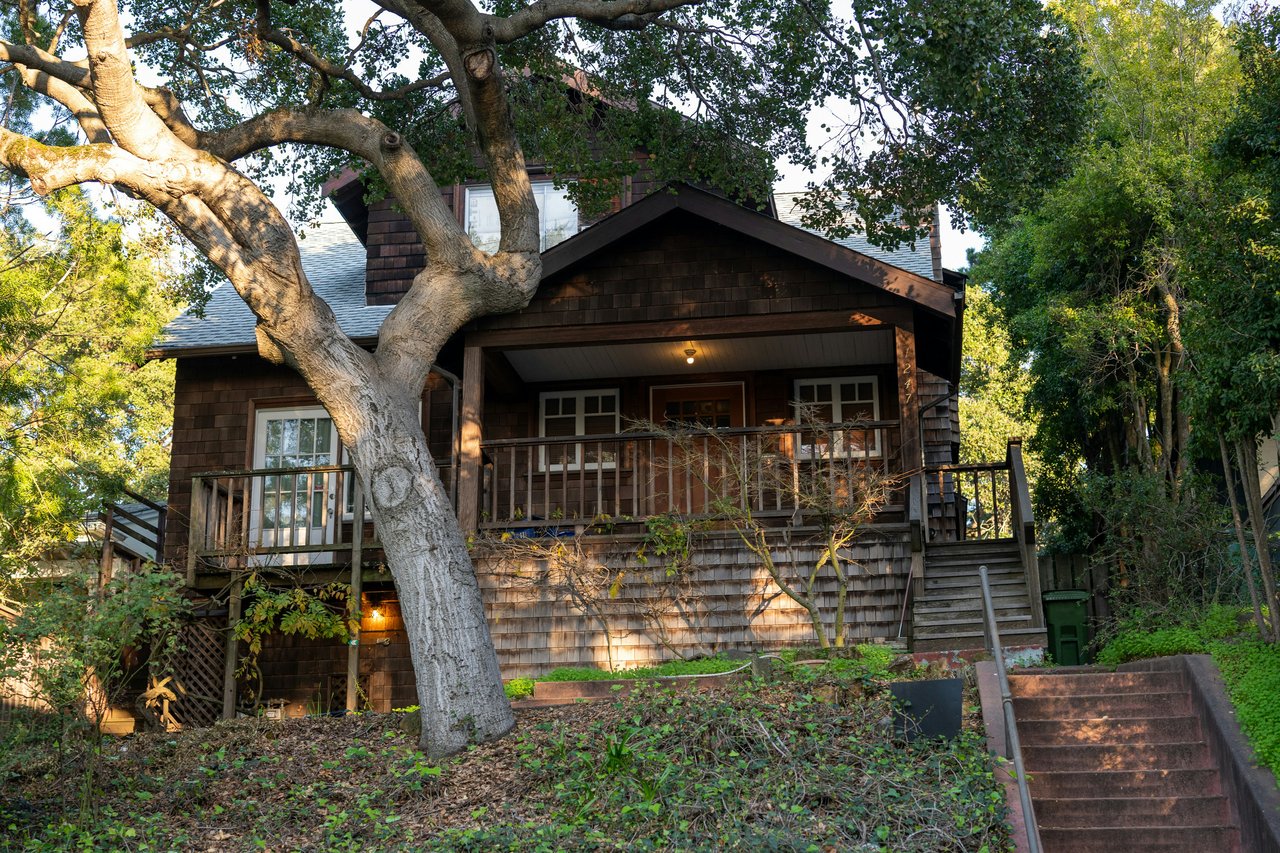
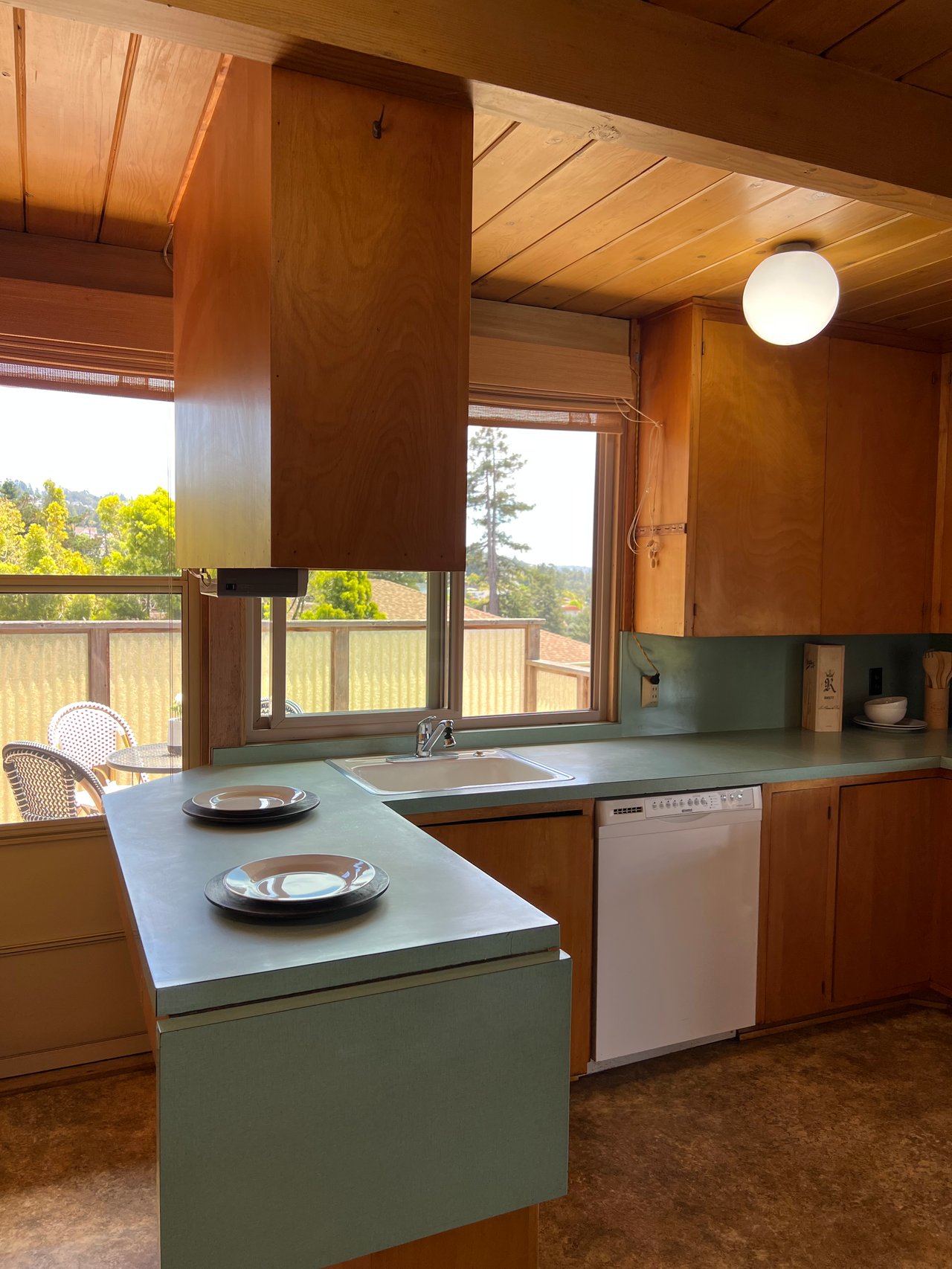
The appeal often begins with the setting. Elevation can create Bay views, changing light, greater visual separation between homes, and architecture designed around the landscape. In some hillside houses, the view and the way rooms open toward it are central to the entire design.
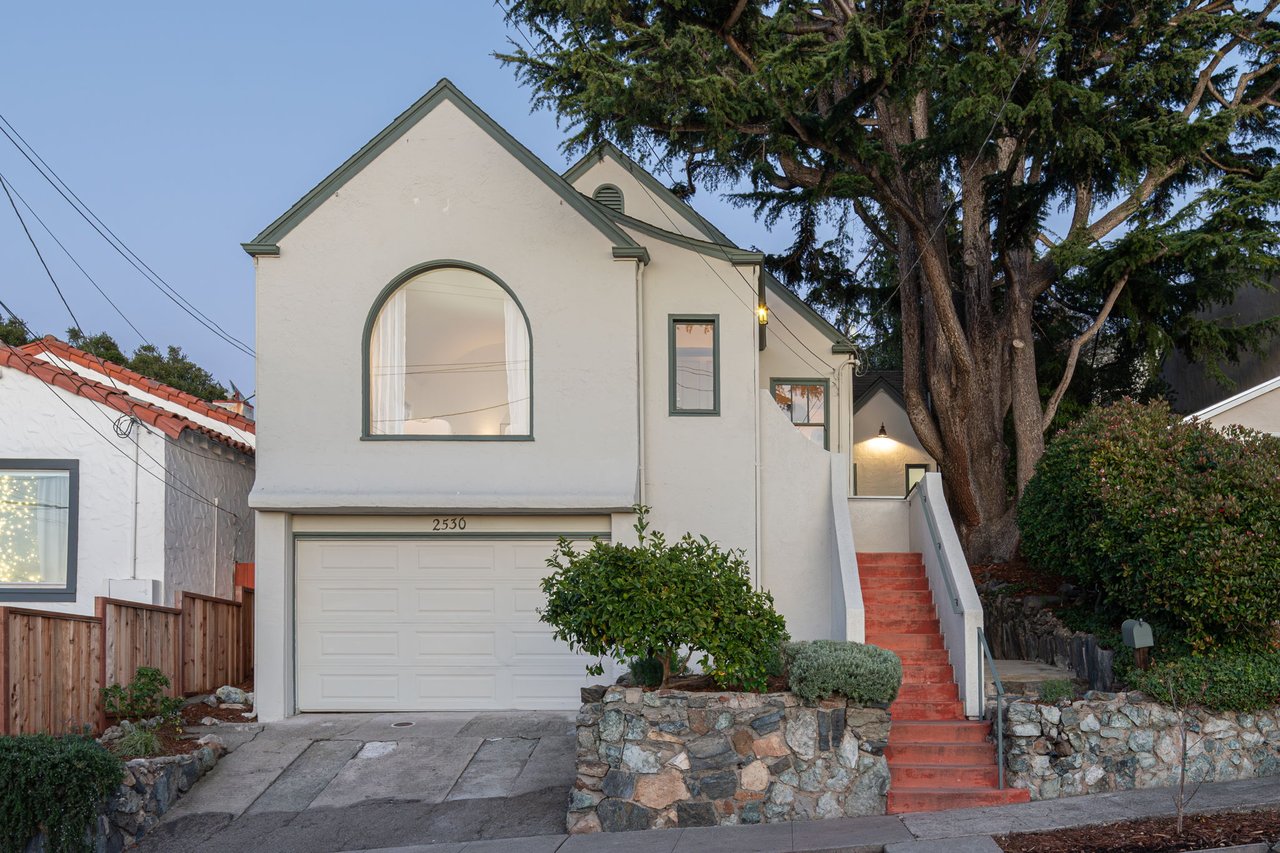
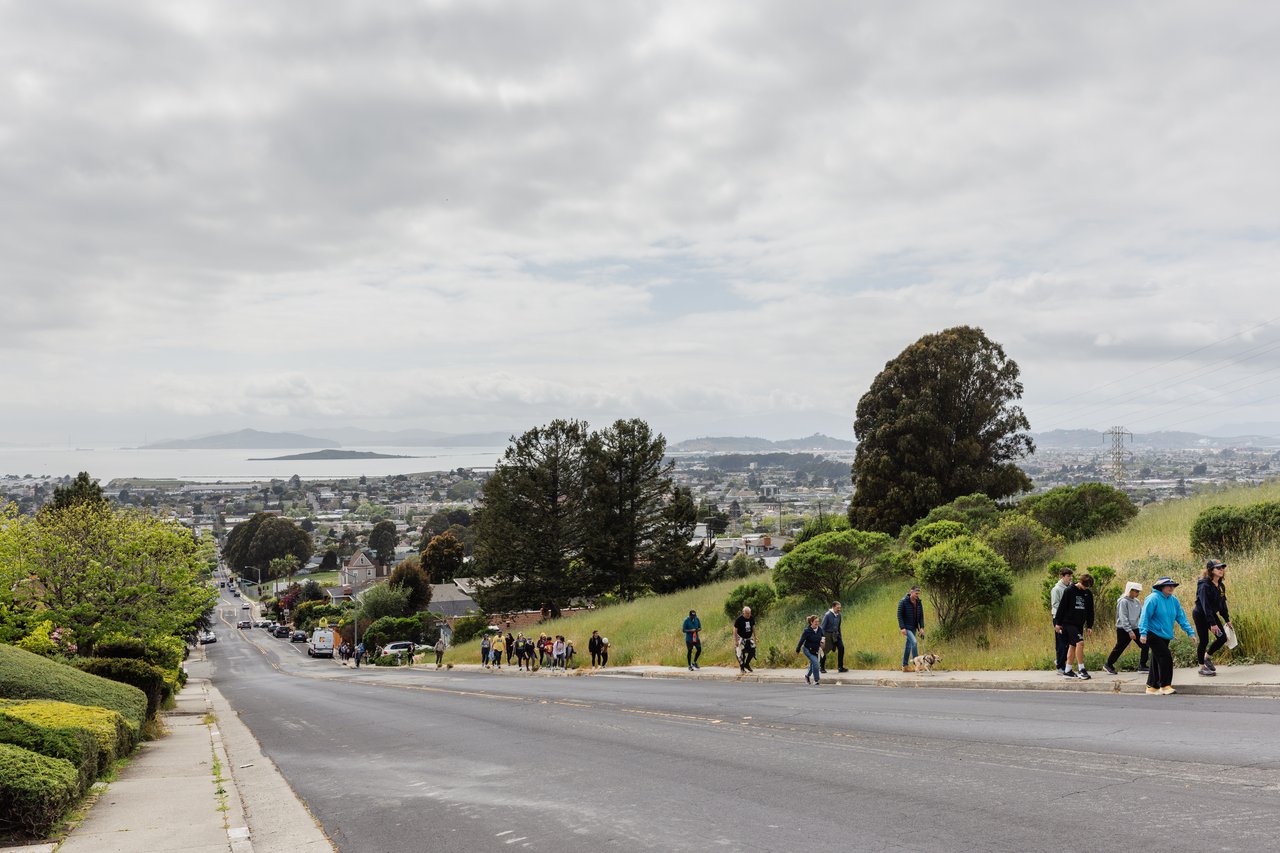
The tradeoff is that the terrain becomes part of your routine. A short distance on a map can include a meaningful climb. Streets may be narrow or winding, and driveways, stairs, parking, and outdoor spaces can work differently from one property to the next.
This makes it especially important to experience a hillside home beyond the front door. Walk the block, test the driveway, notice the route to places you visit regularly, and consider how the setting would feel during an ordinary week.
What do flatter areas offer?
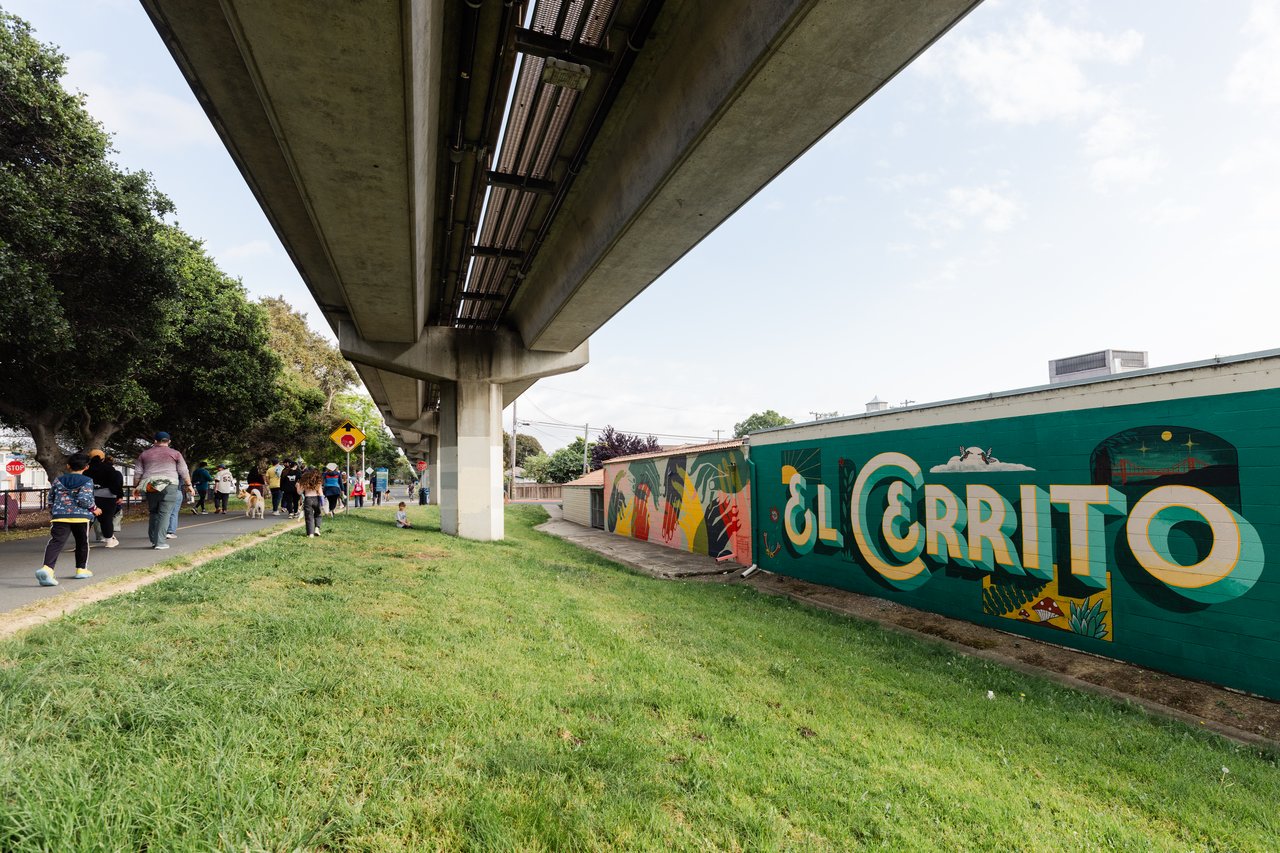
In flatter parts of Berkeley, North Berkeley, Albany, and El Cerrito, daily destinations may be easier to reach without a car. Depending on the address, that can include BART, bus lines, commercial corridors, parks, and the Ohlone Greenway.
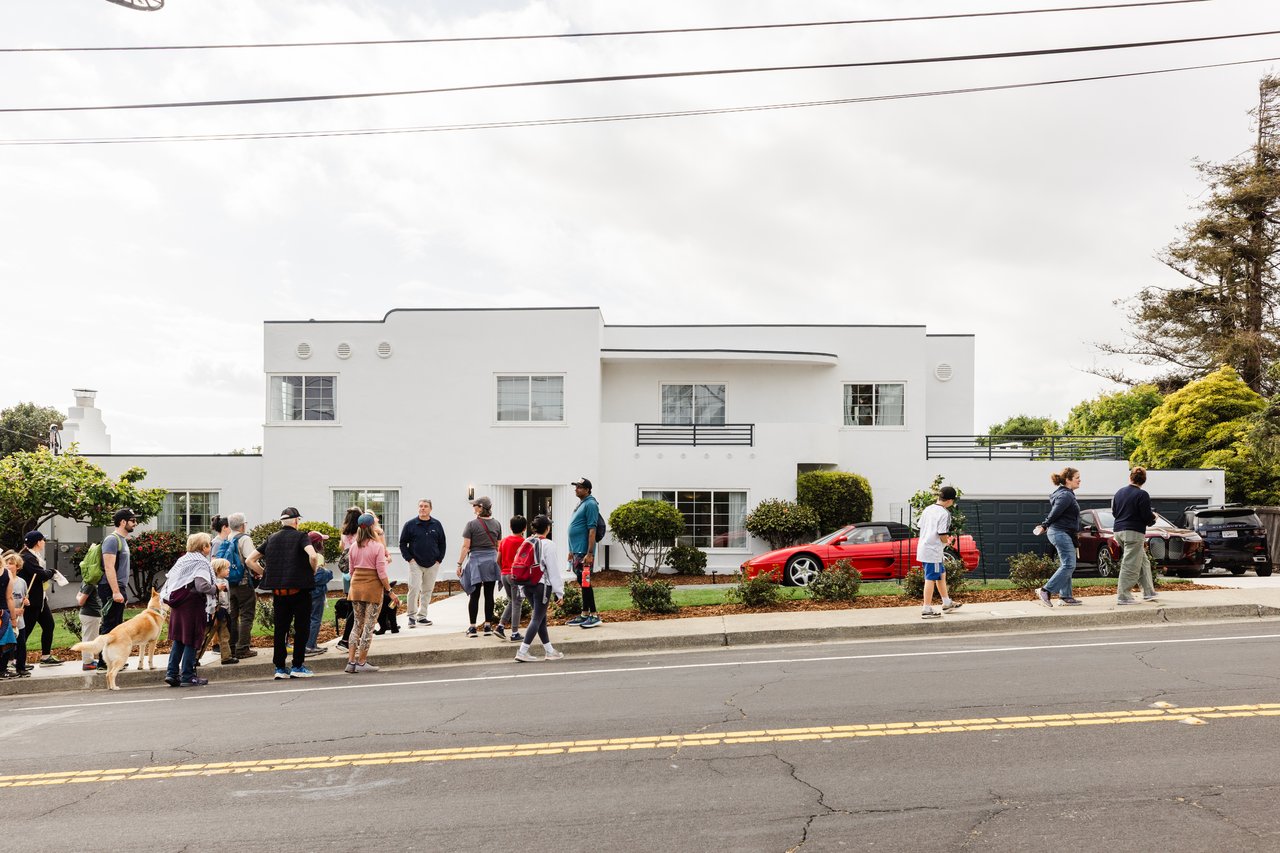
Lots and streets also tend to relate differently to one another. You may find more traditional front porches, level gardens, gridded streets, and a closer visual connection between the home and its immediate surroundings.
Convenience still varies block by block. Crossing points, transit routes, street grade, and the distance to your regular destinations will tell you more than the word “flat” ever could.
What should buyers compare?
When deciding between hills, flats, or somewhere in between, consider:
How you expect to get around on most weekdays
Whether views or proximity to destinations matters more
How stairs, slopes, and parking fit your routine
How the lot uses sunlight and outdoor space
Whether map estimates reflect the route you would actually take
How the home’s architecture responds to its setting
We encourage buyers to picture an ordinary Tuesday in each setting. How would you get around? Where would you spend time outside? Which parts of the location would make the day easier or more enjoyable?
Your answer may lead you high into the hills, close to a flatter commercial corridor, or somewhere comfortably in between. We’d be happy to help you compare the possibilities.