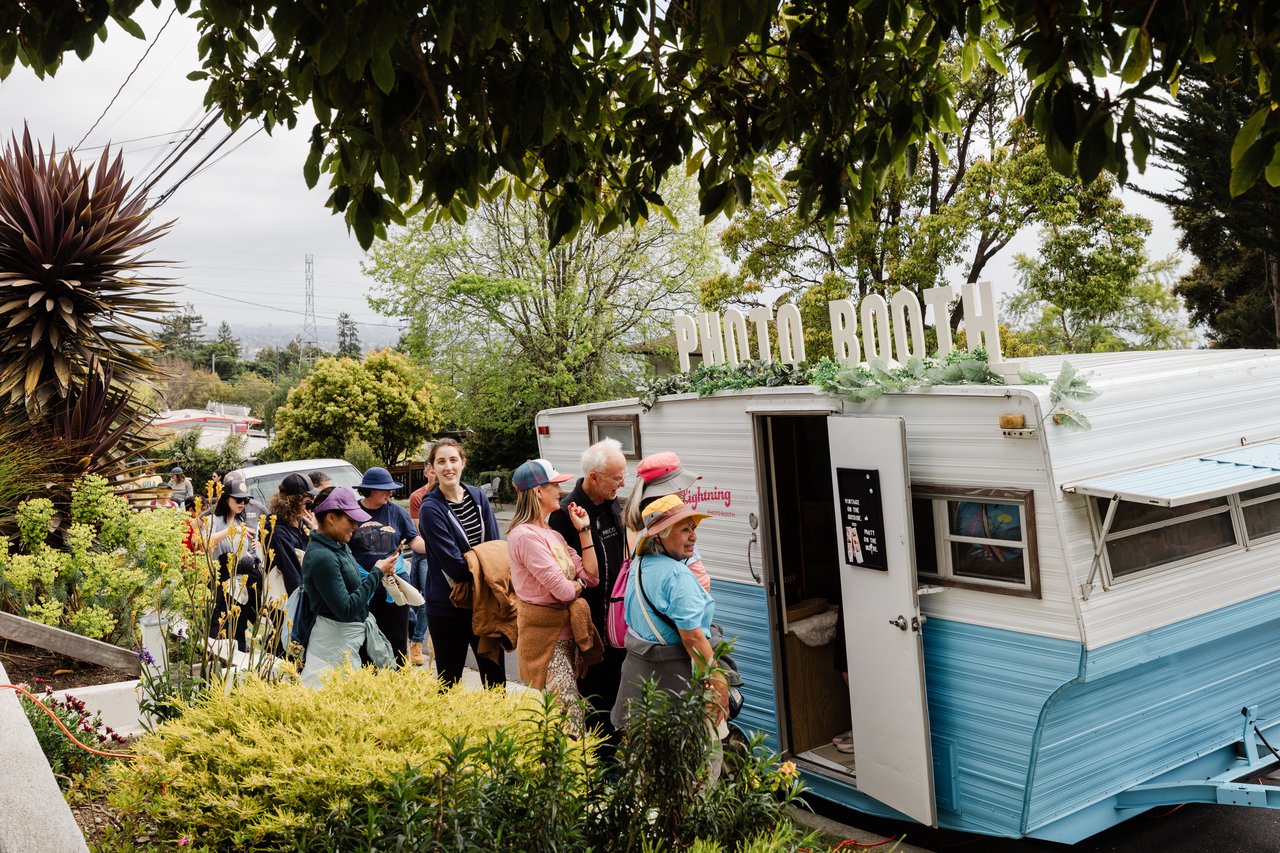
We often notice community connection through ordinary routines: stepping onto a front porch, walking to a local business, or joining the trail you use every week.
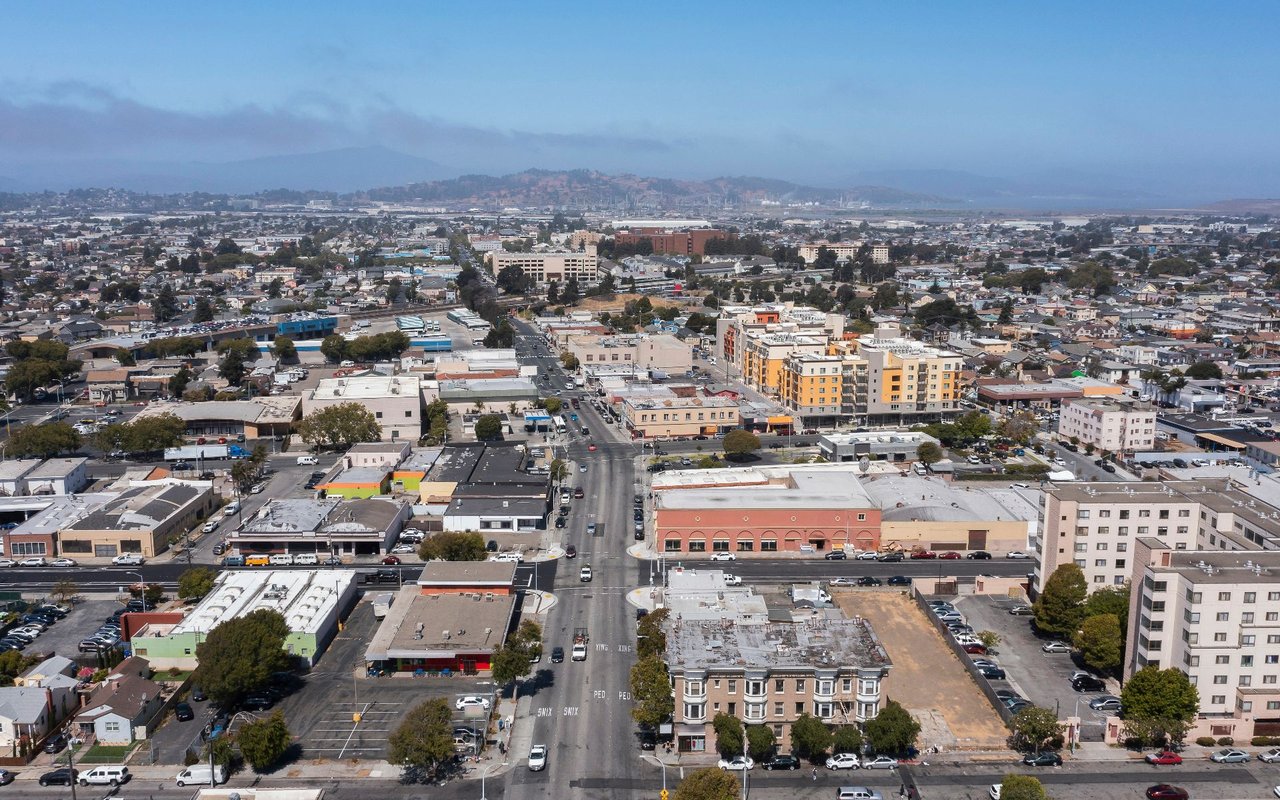
Many Inner East Bay homes sit close to commercial corridors, parks, transit, and public paths. And how the property relates to those places can shape the experience of living there as much as the house itself.
How does a home meet the street?
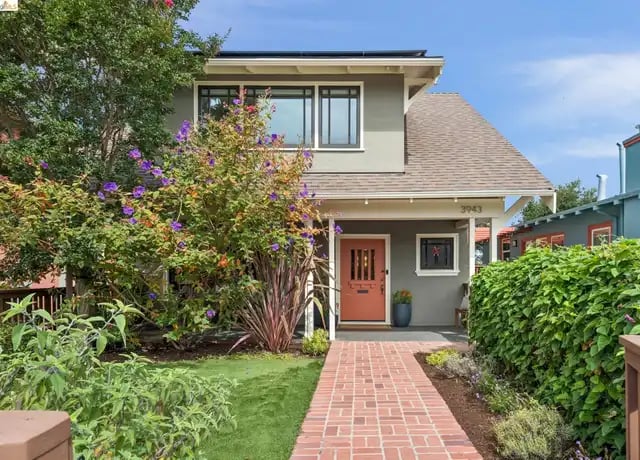
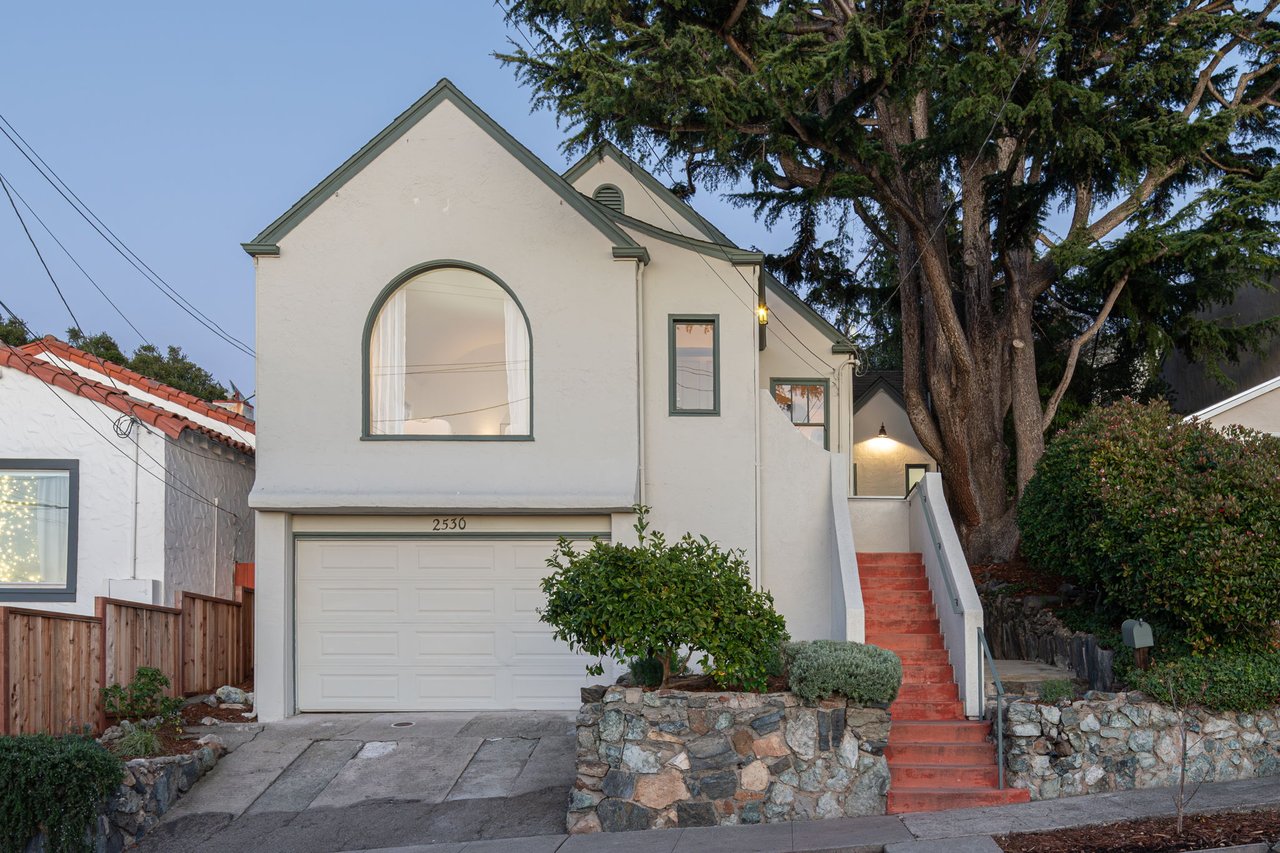
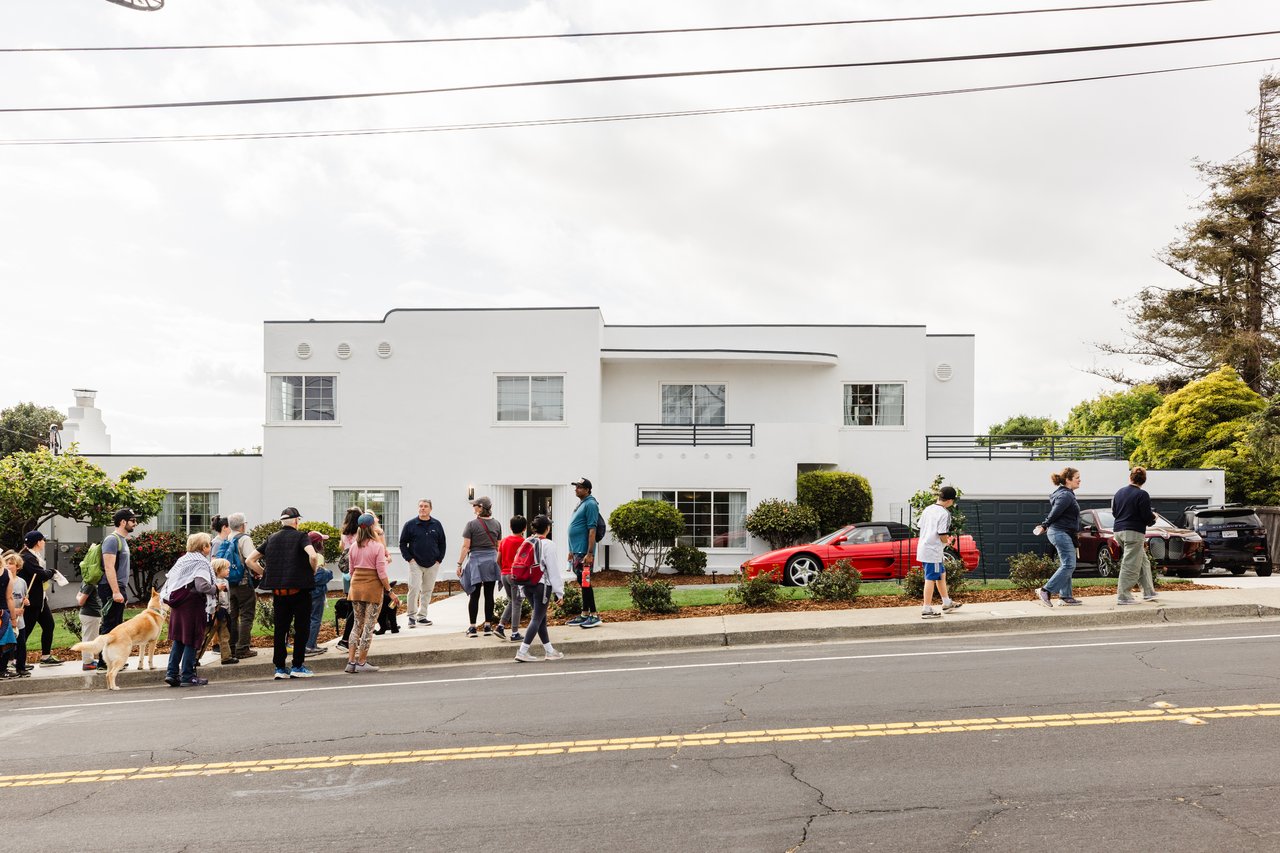
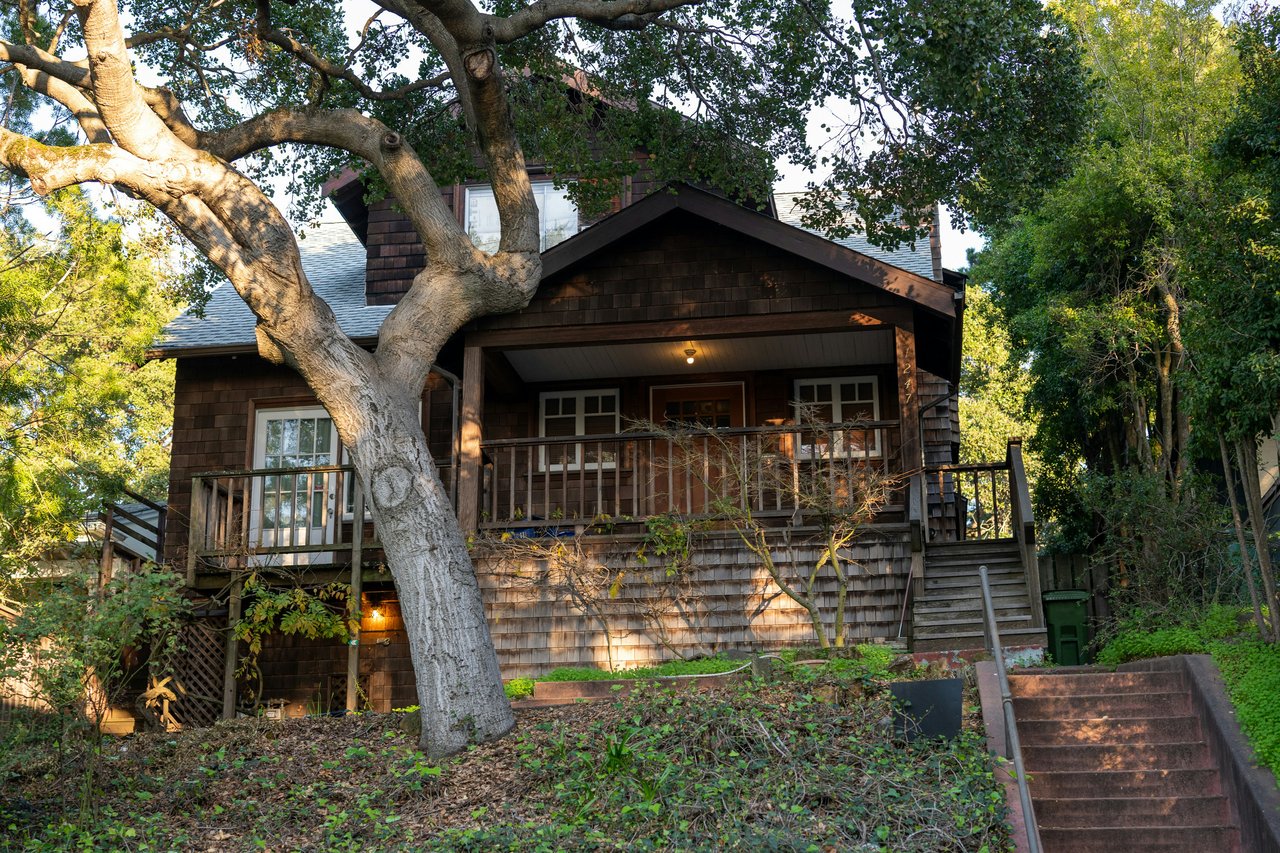
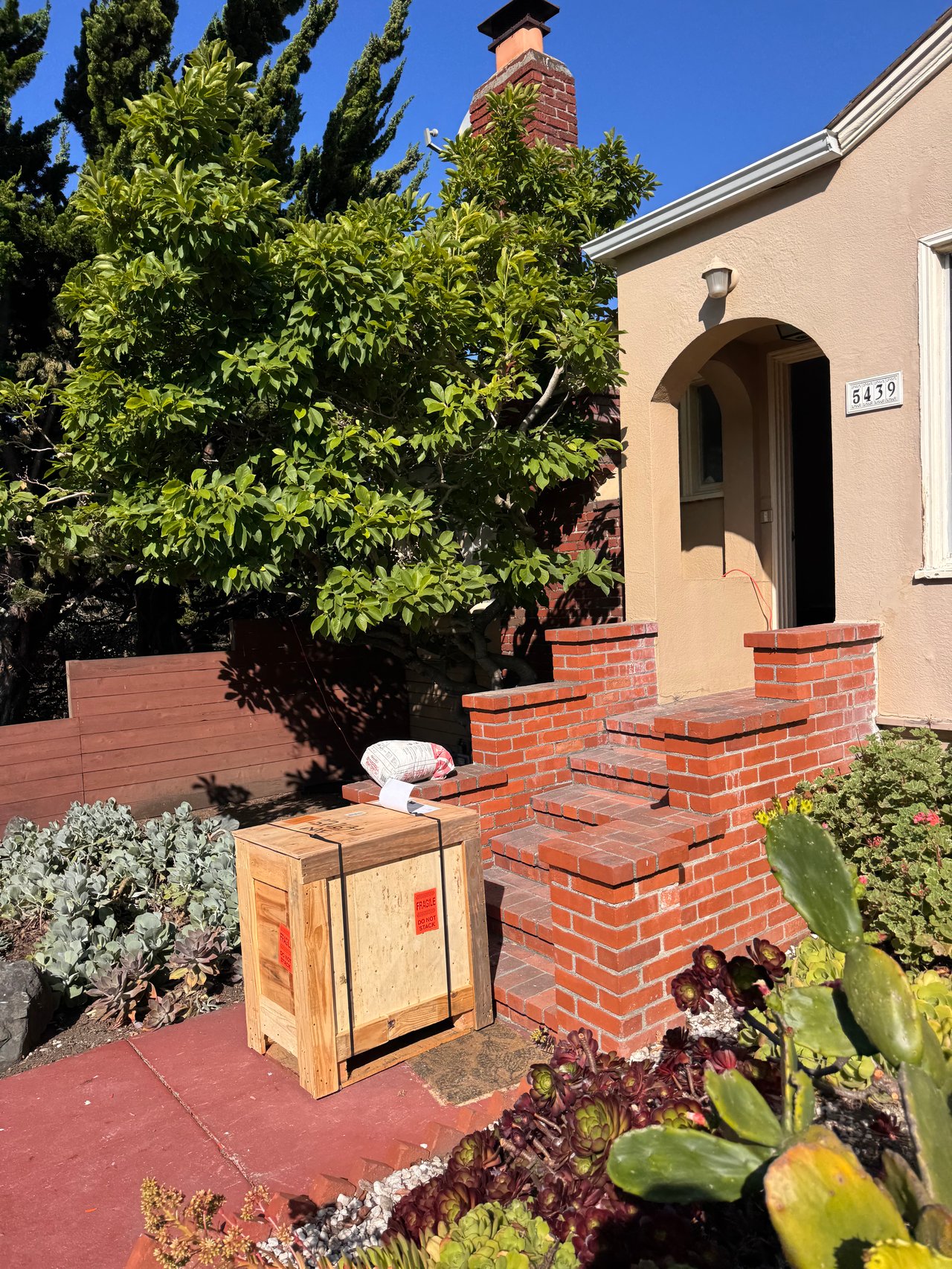
The connection often begins at the front edge of the property. Porches, stoops, front gardens, low fences, and windows facing the street can make the space between the home and sidewalk feel like part of the house rather than simply a boundary.
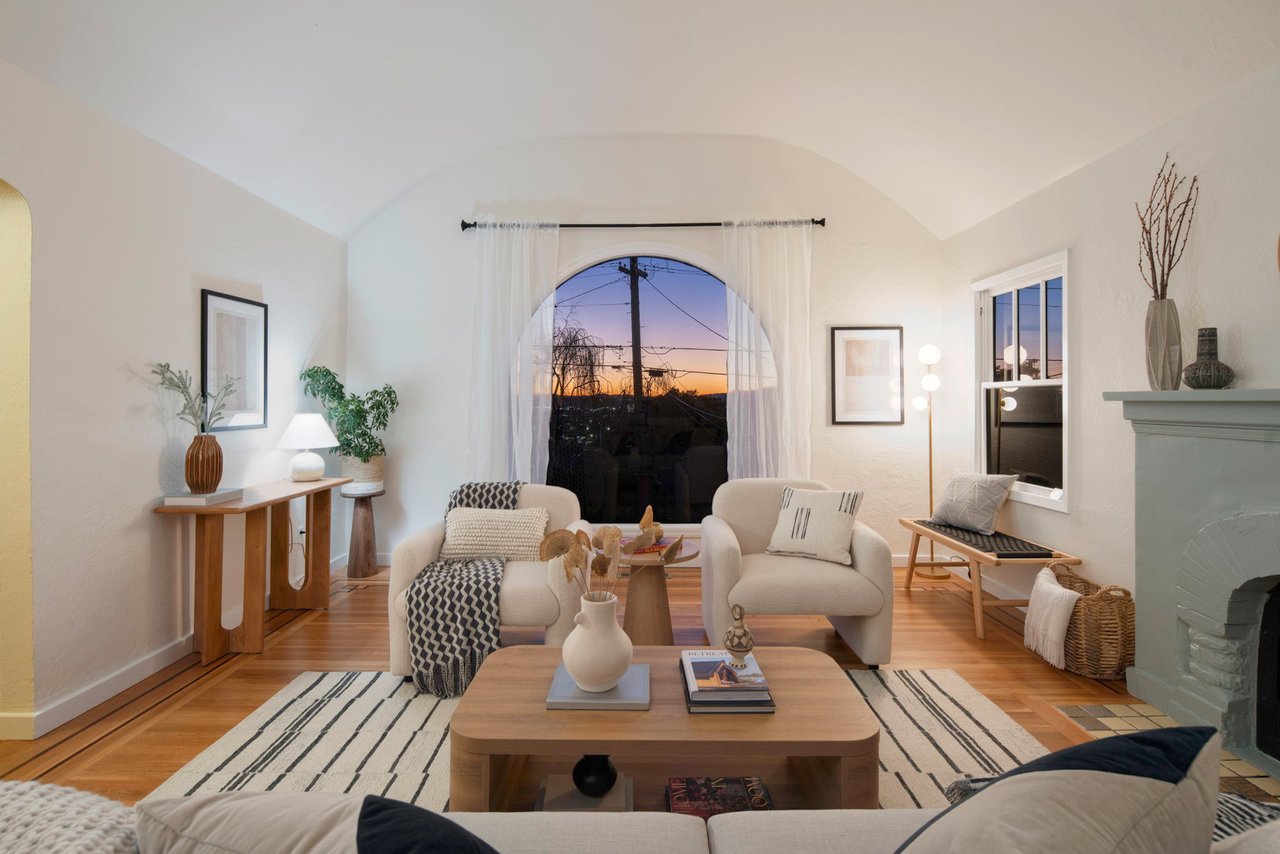
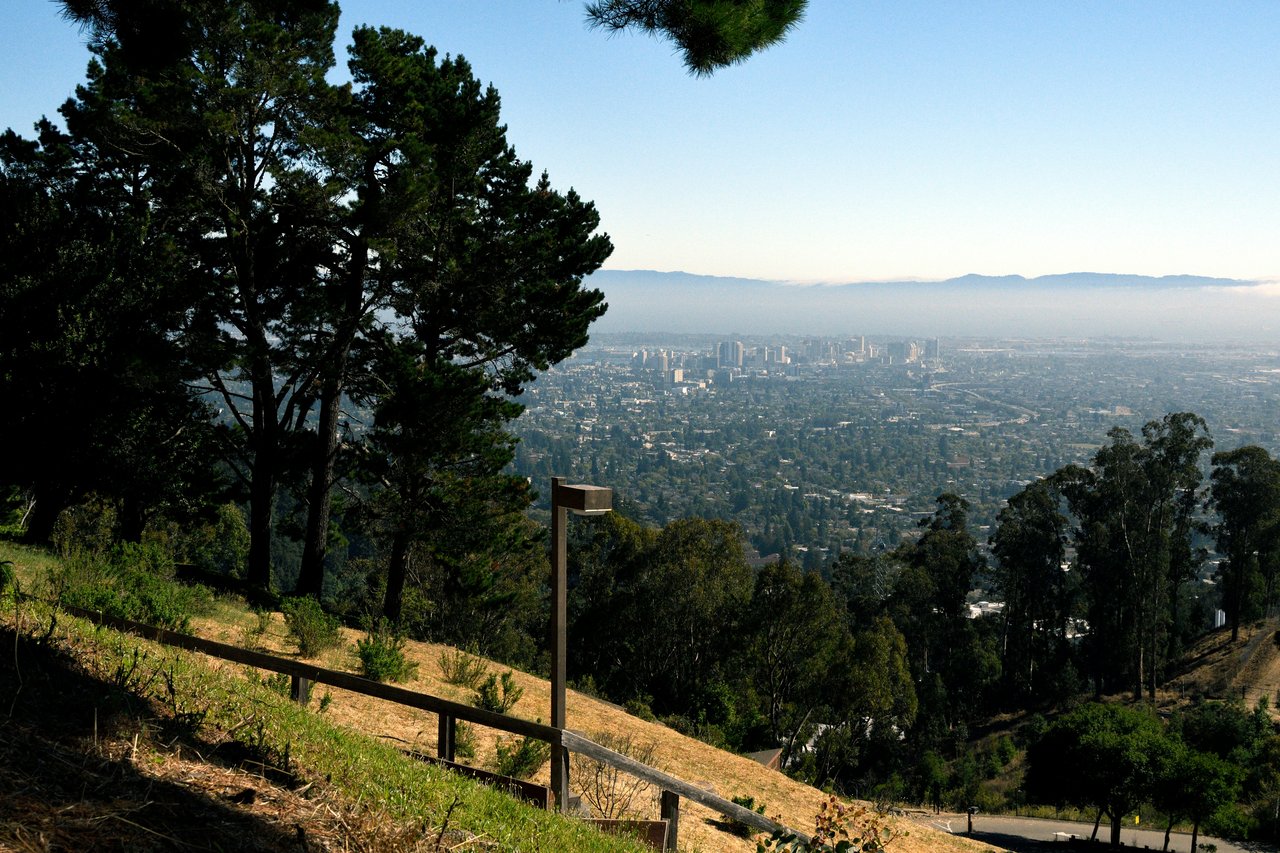
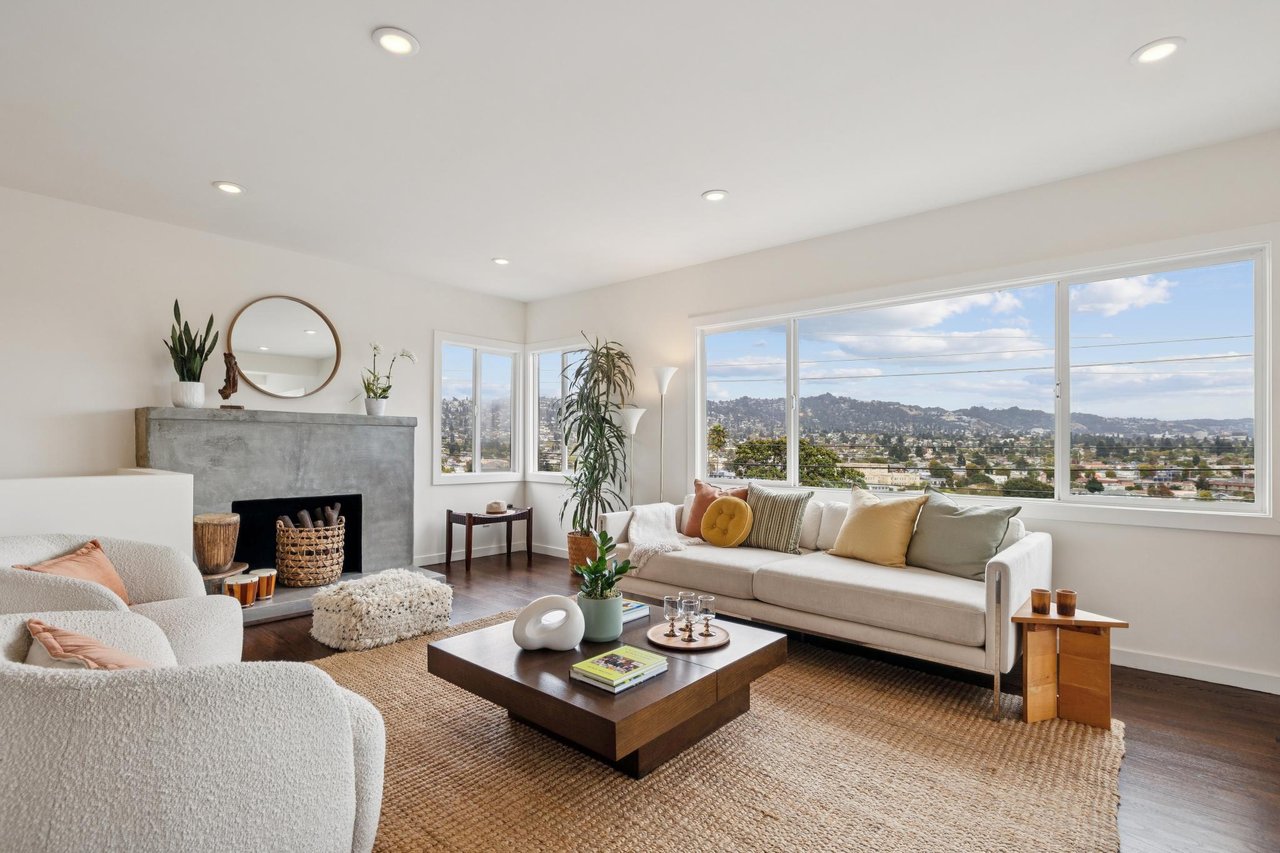
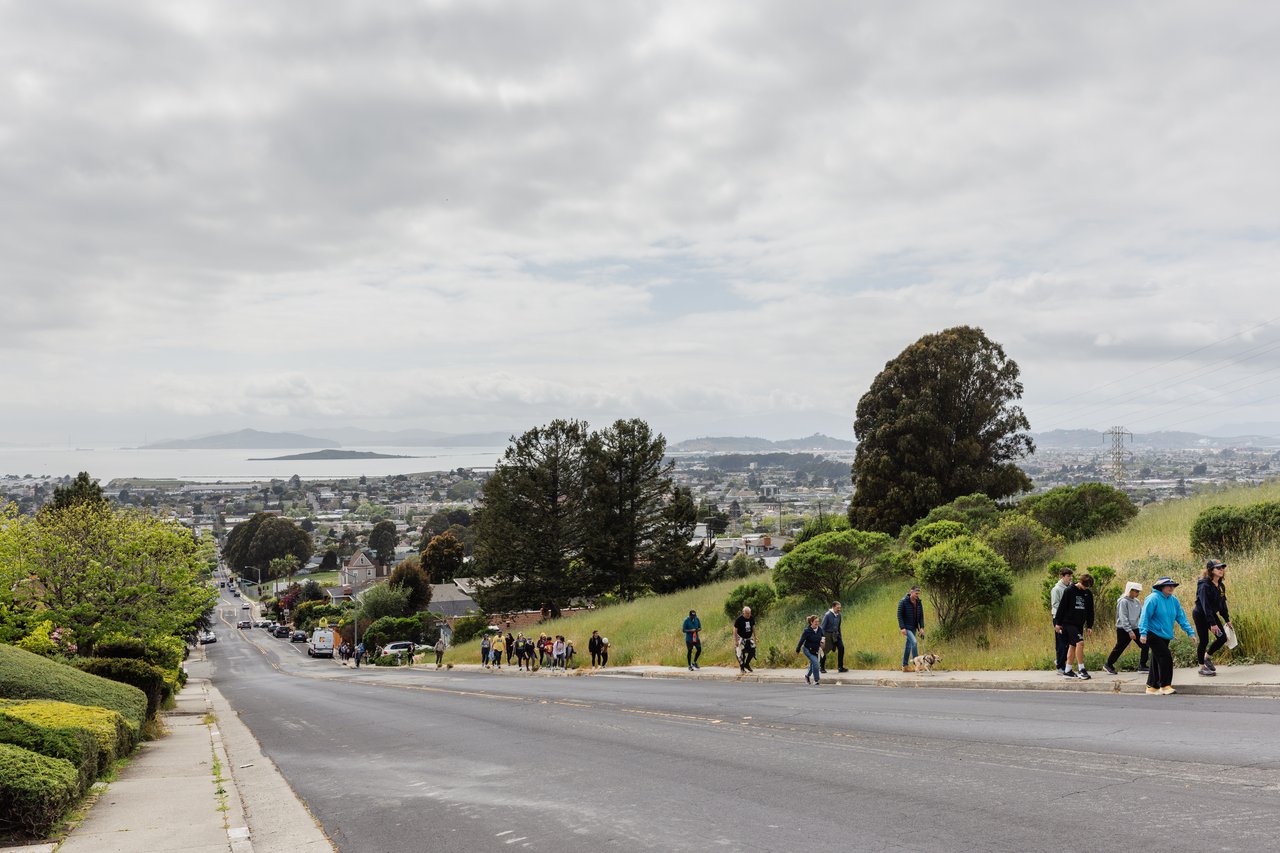
Different architectural styles handle this relationship differently. A Berkeley Craftsman may have a deep front porch, while an Albany Mediterranean home might create a more enclosed garden or courtyard. A hillside home in El Cerrito may look outward toward the Bay instead of directly toward the street.
Each approach creates a different relationship with the surroundings. Pay attention to whether the home’s design supports the amount and type of connection you want.
What can you reach from your front door?
Proximity matters, but the experience of getting somewhere matters, too. A park may look close on a map while requiring a difficult crossing. A commercial corridor several blocks away may feel much more accessible when the route includes sidewalks, shade, and familiar stops along the way.
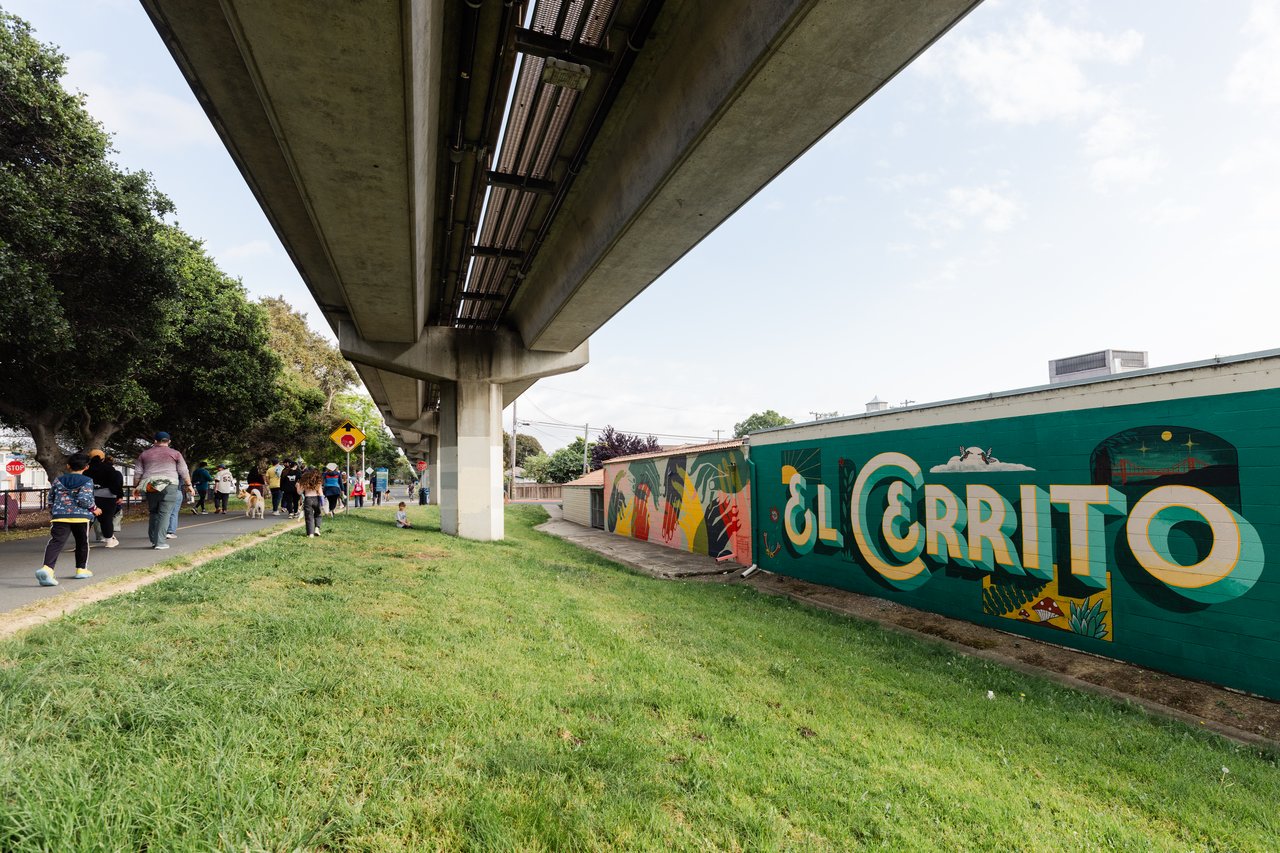
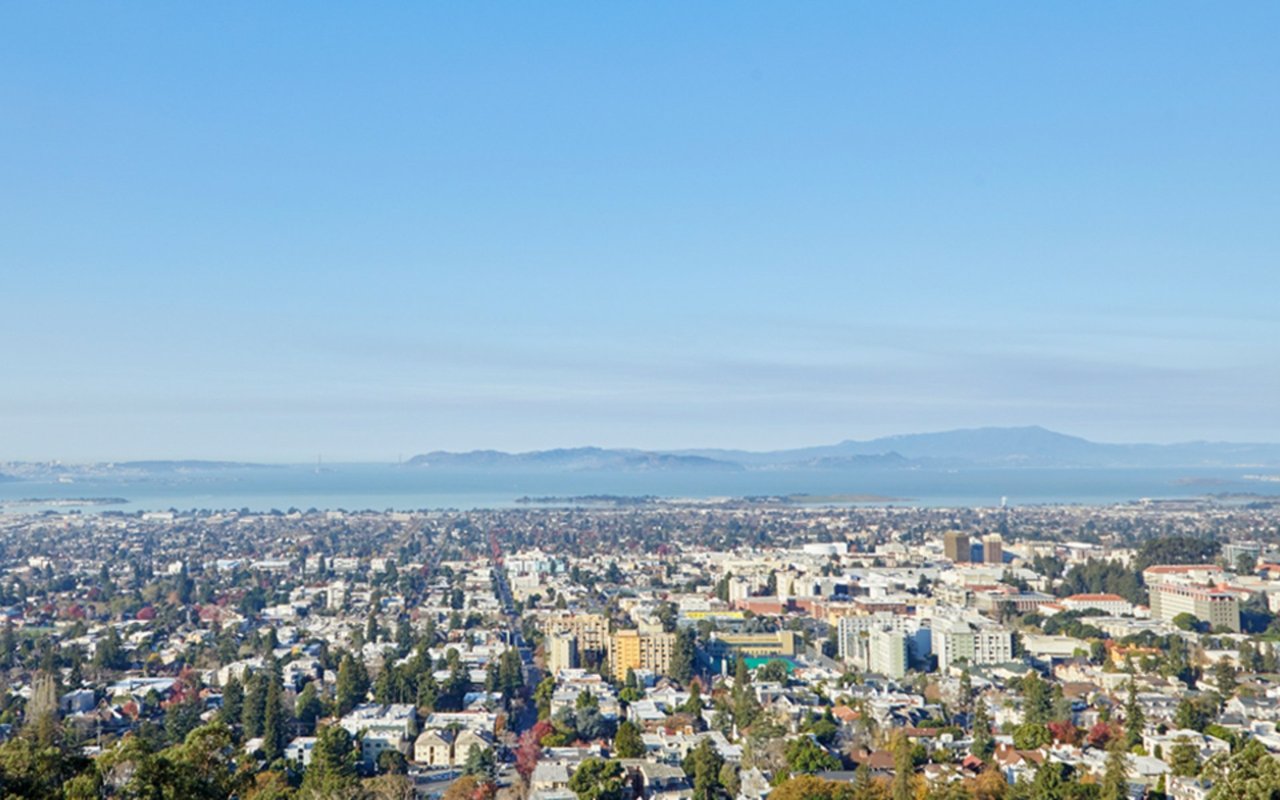
In communities such as Westbrae, Albany, and Rockridge, residential streets connect with established commercial areas. Public routes such as the Ohlone Greenway create another kind of connection, linking parts of Berkeley, Albany, and El Cerrito for walking and biking.
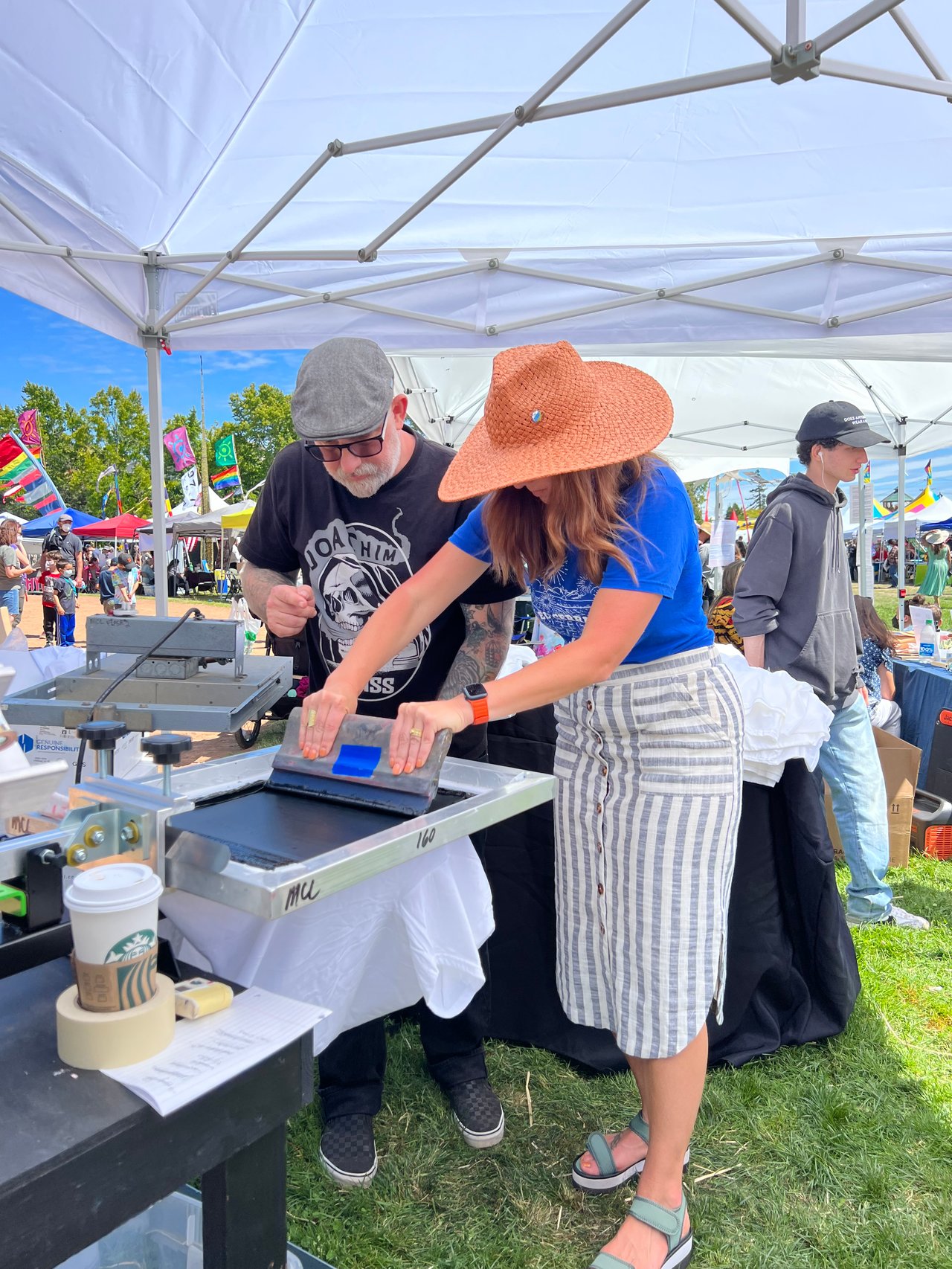
Over time, these routes can become part of how you understand a place: the walk for coffee, the path to BART, or the corner where you regularly stop to talk with someone you know.
Does the home support participation in the community?
The house itself can make local participation easier. Useful features might include:
A comfortable entrance for welcoming visitors
Storage for bicycles, strollers, gardening tools, or outdoor gear
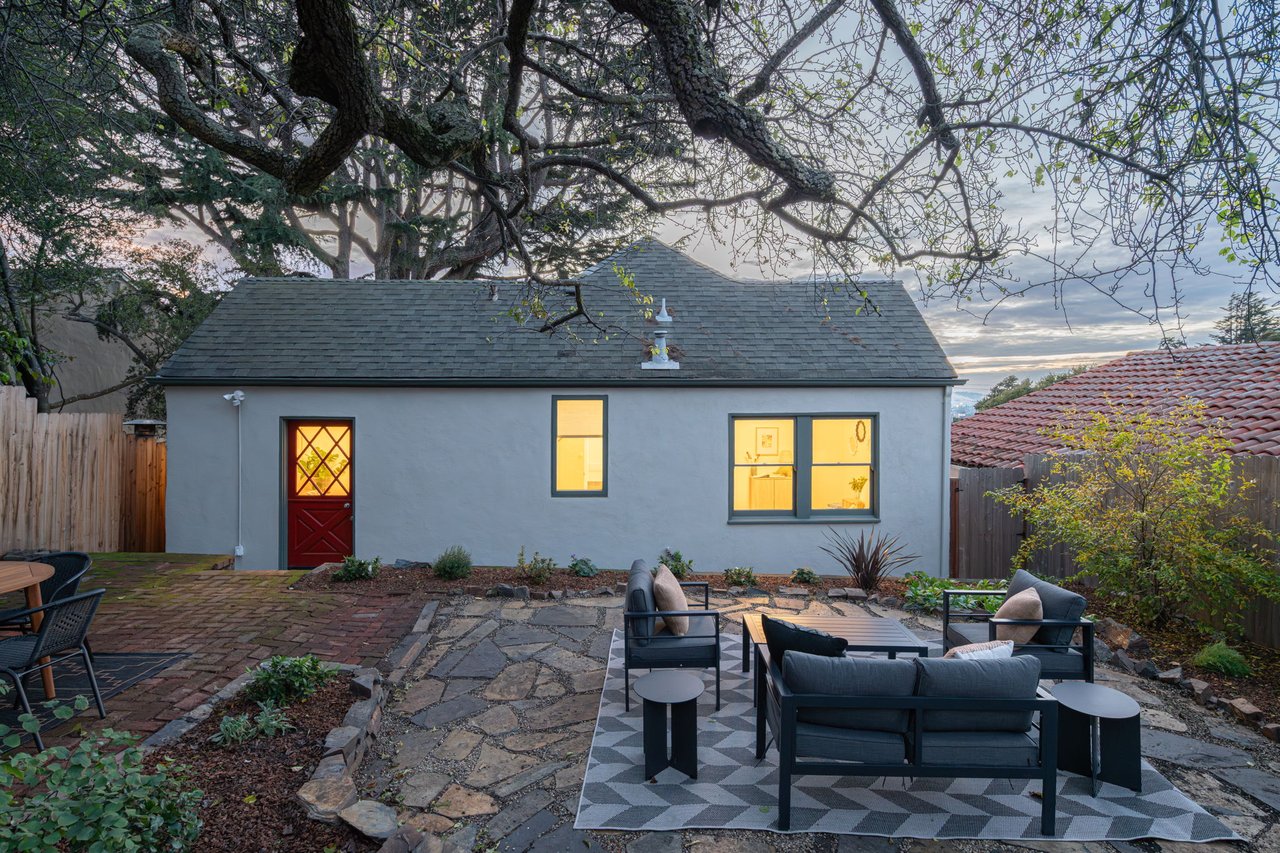
A porch, courtyard, or front garden that creates usable outdoor space
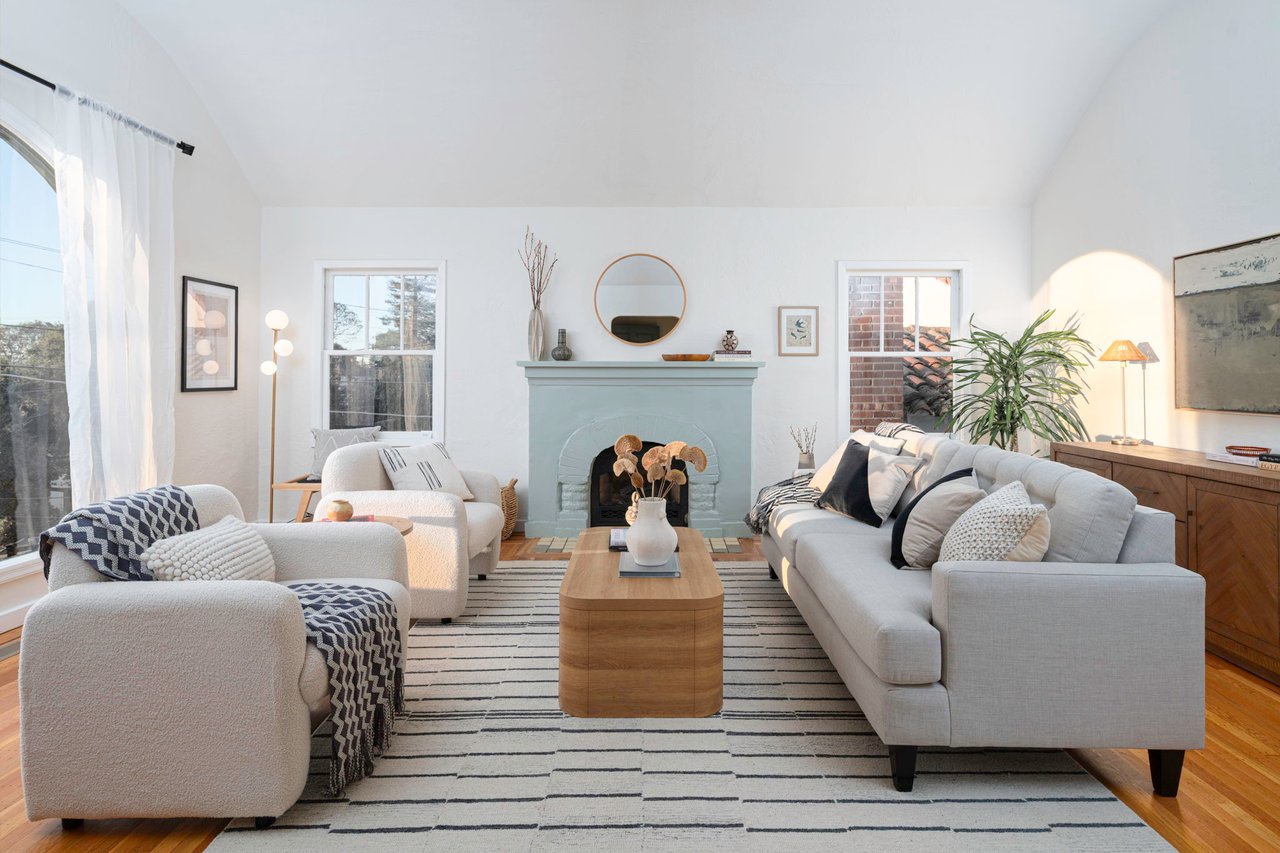
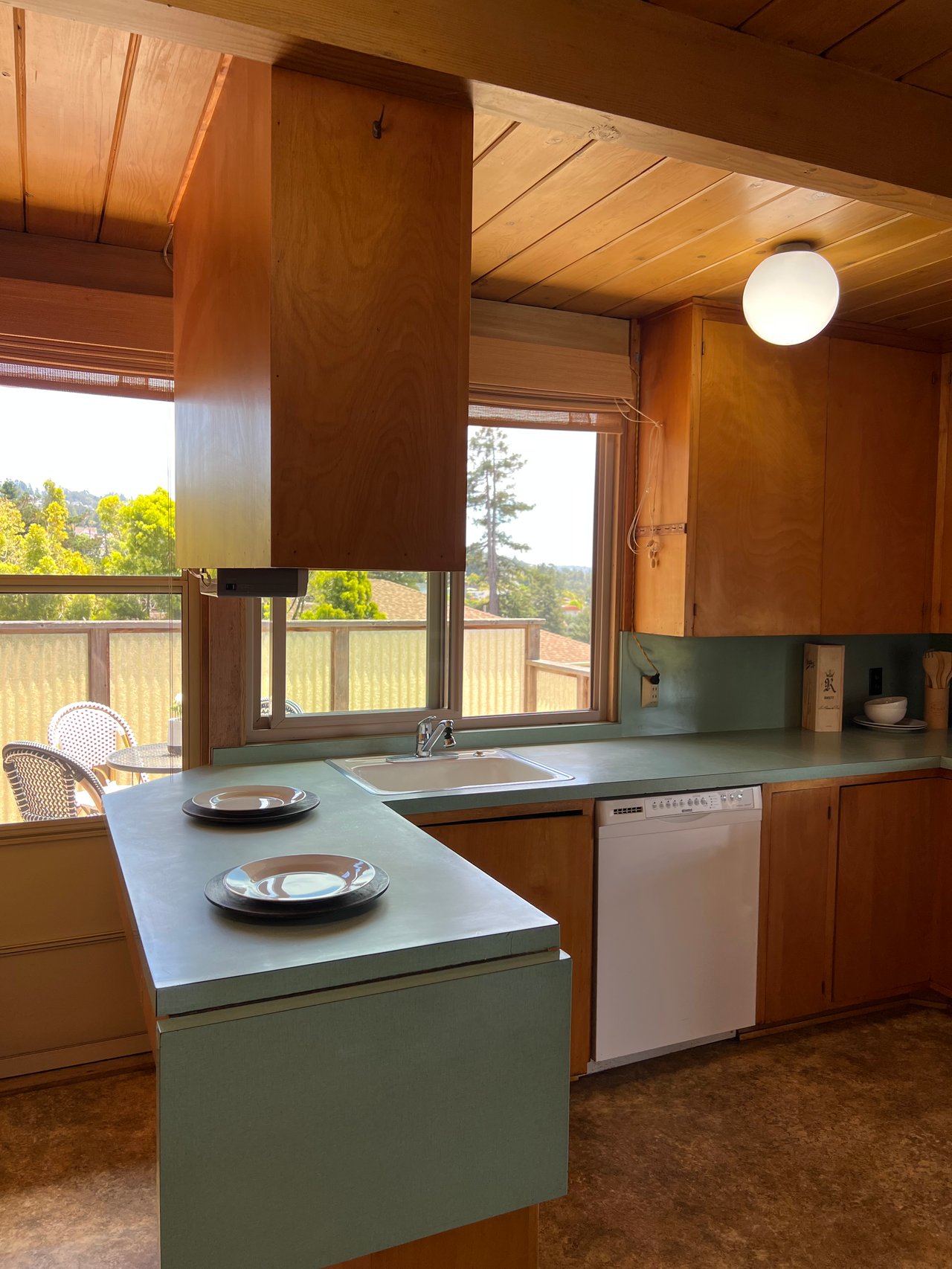
Flexible indoor space for hosting, working, or community activities
Easy transitions between the home, sidewalk, and surrounding routes
Outdoor areas that fit the home’s setting and the owner’s actual routines
These details rarely appear together in a listing filter, but they can shape how a home functions after move-in.
Spend time beyond the property line
When touring a home, walk in more than one direction. Notice where people gather, how the property relates to neighboring homes, and which destinations feel naturally connected.
A home can feel rooted without being in the center of everything. What matters is whether its relationship with the surrounding community fits how you hope to live. If this kind of connection matters to you, we can help you find the blocks and homes where it feels most natural.