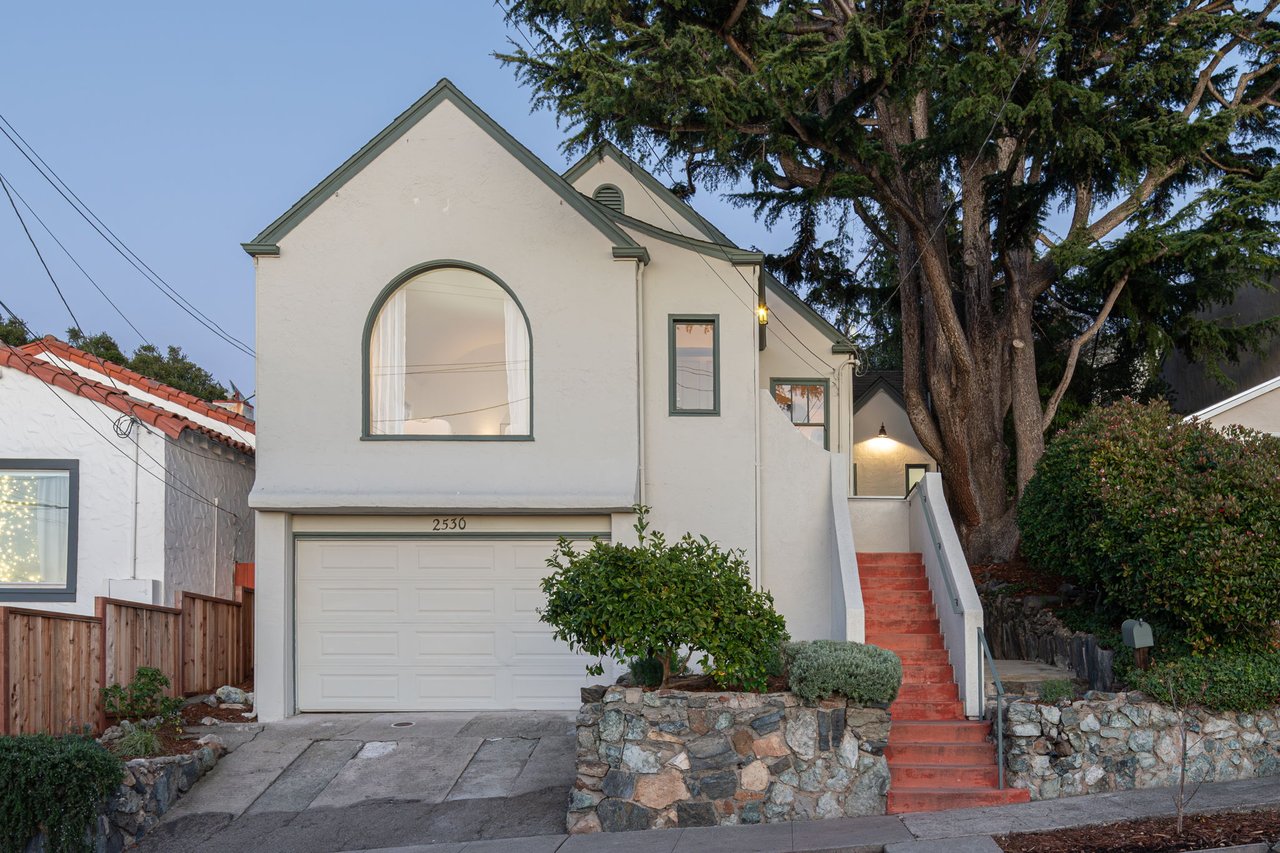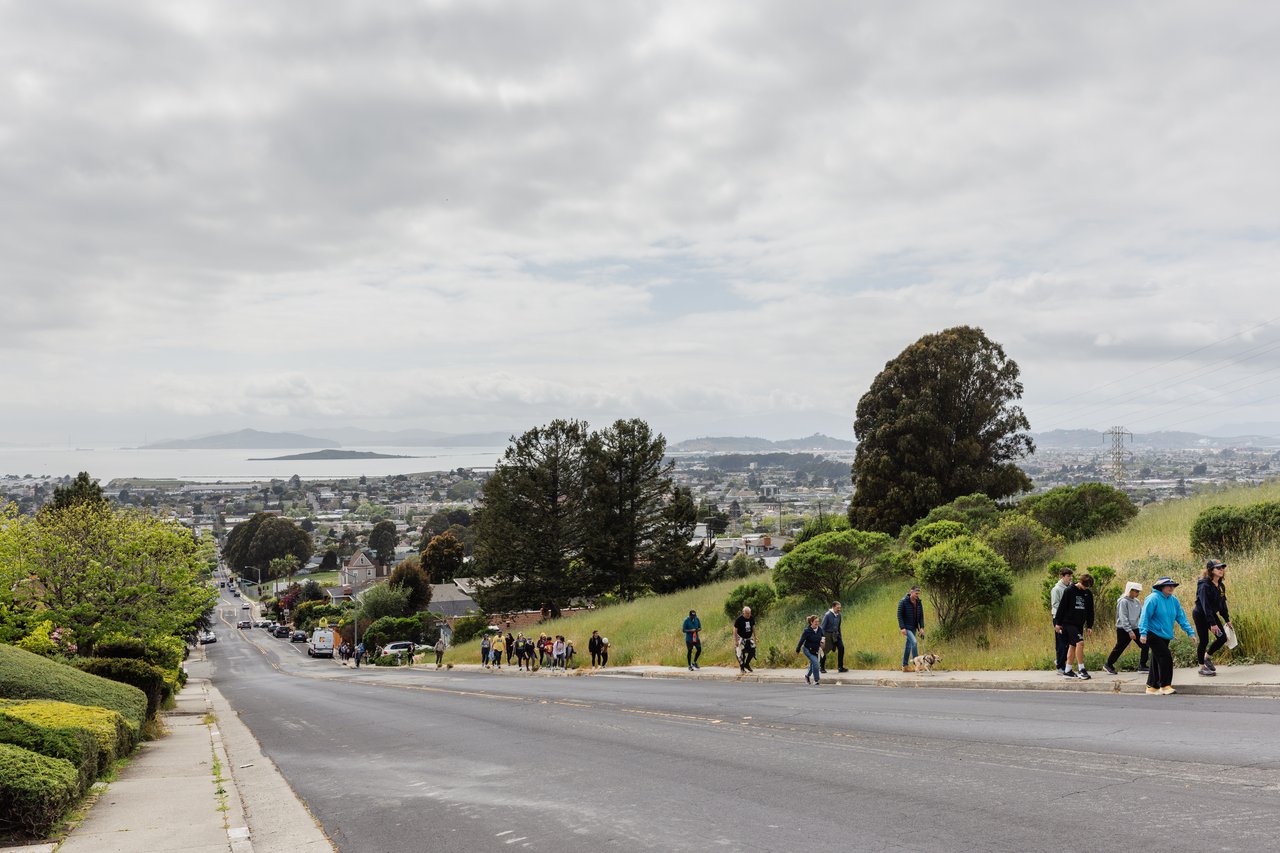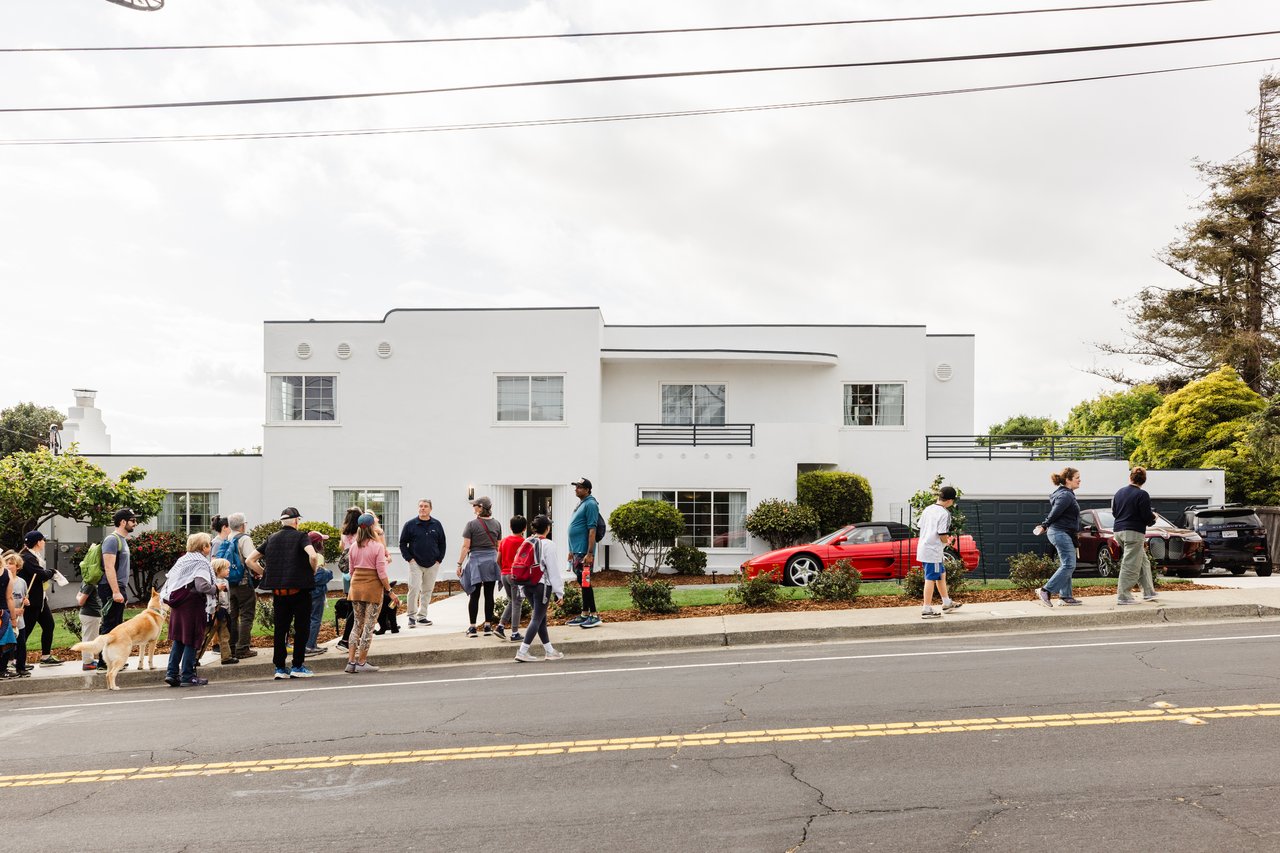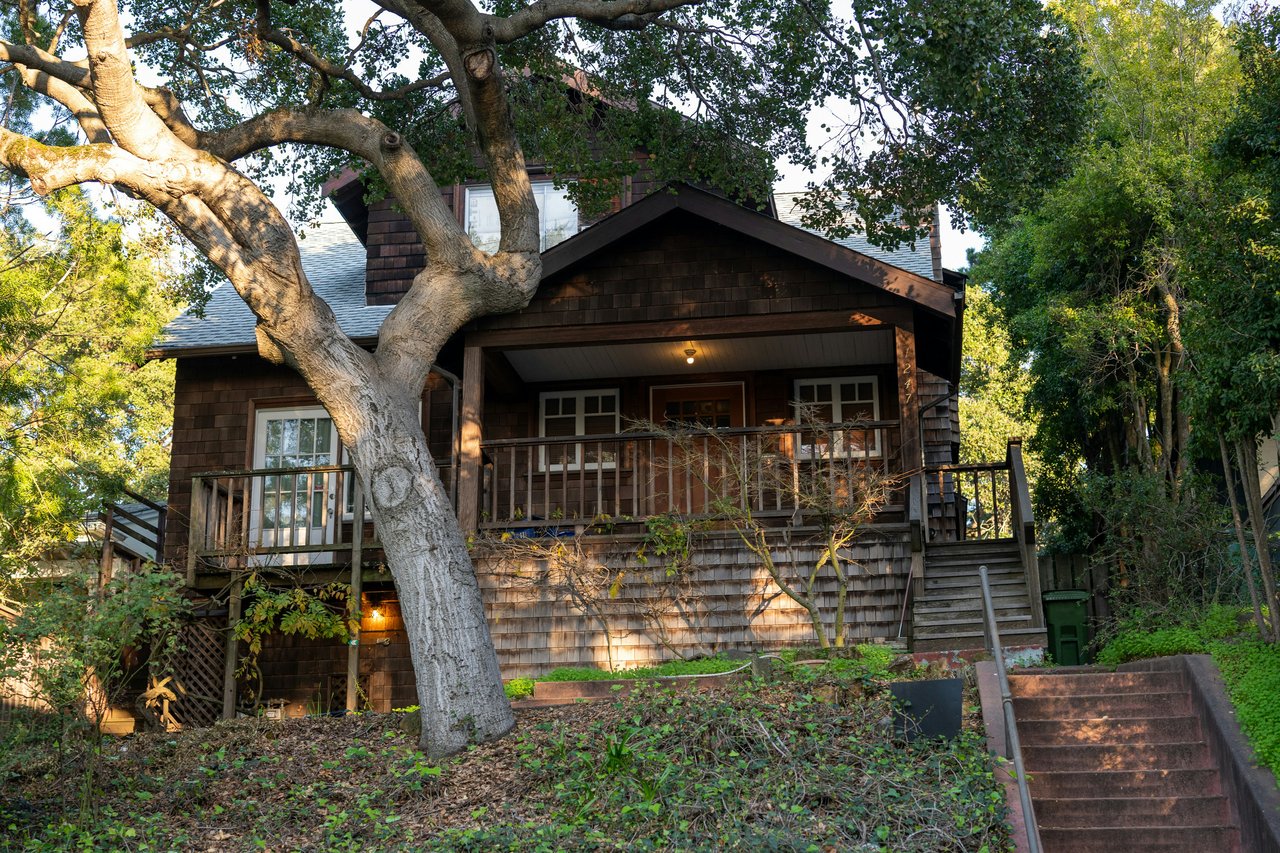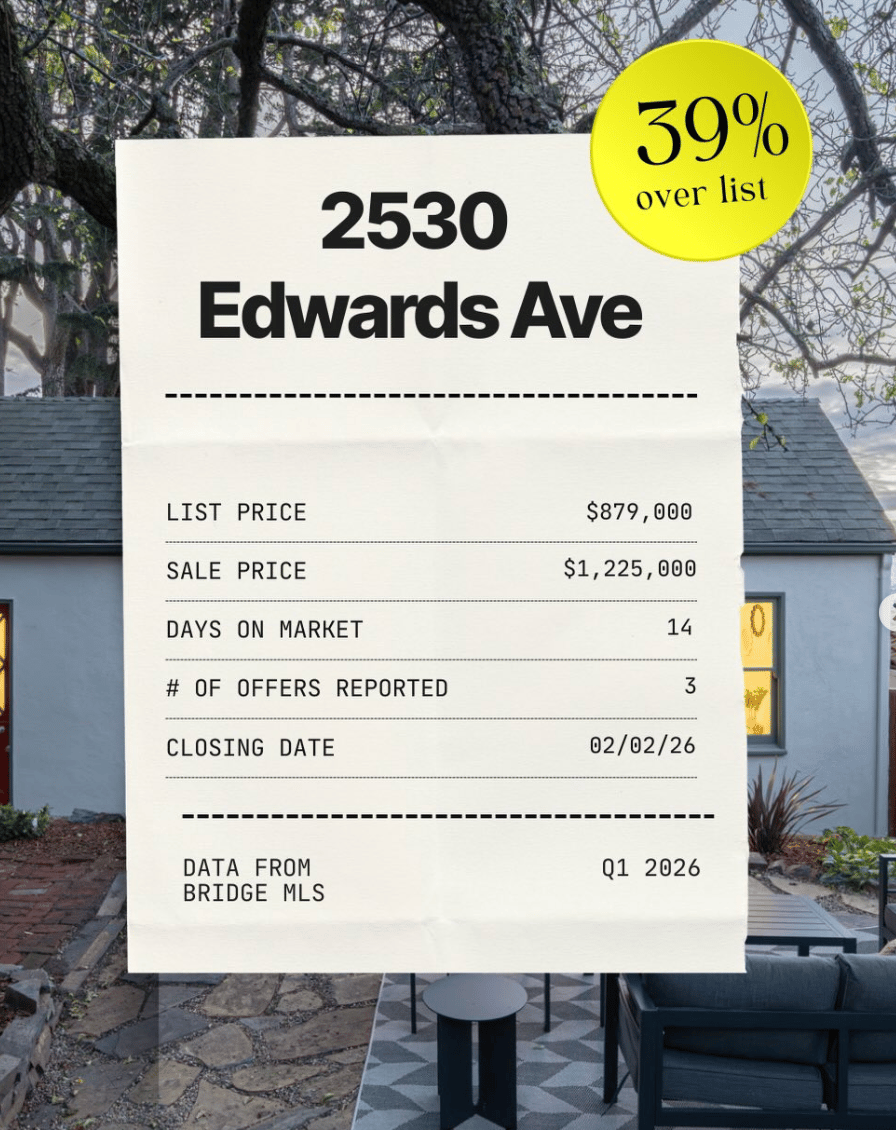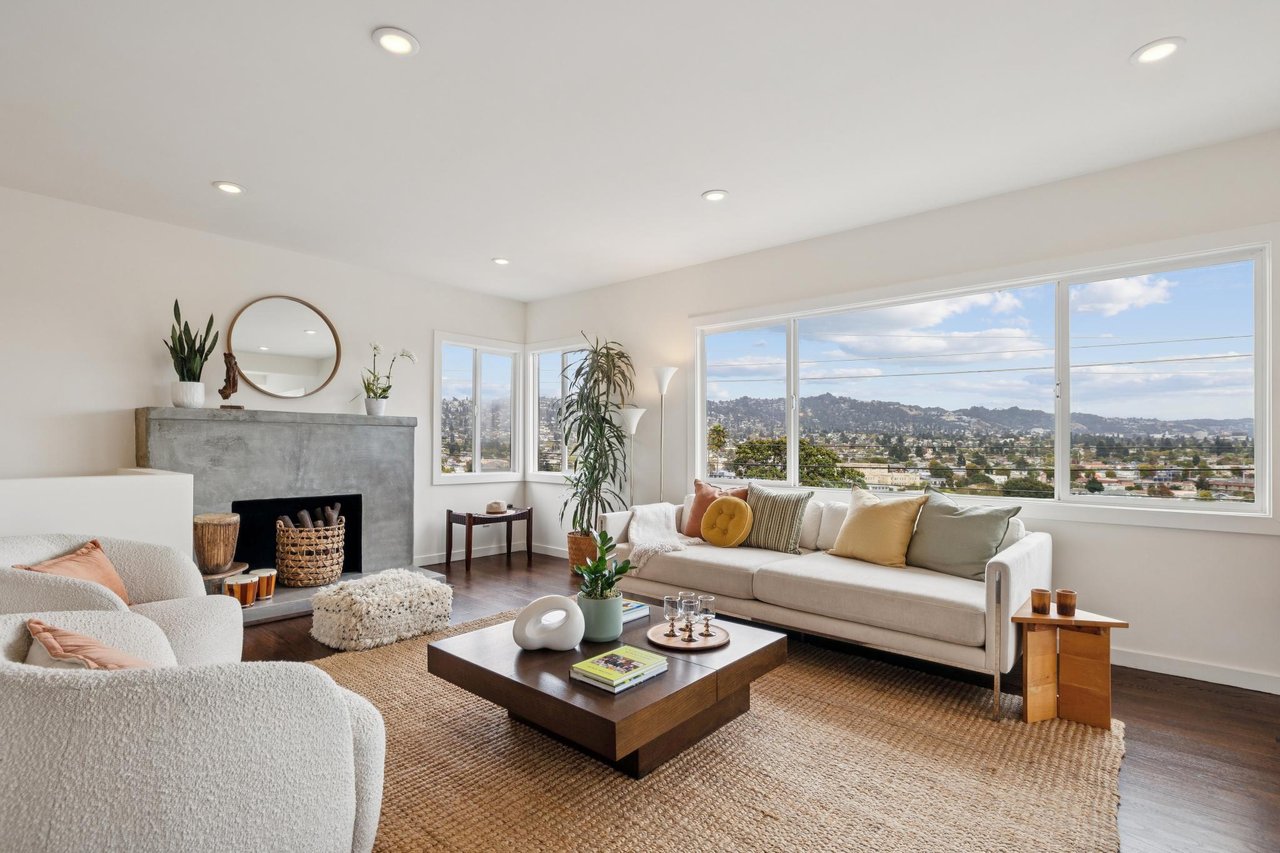
A MacGregor home is one of the estimated 1,500 Albany houses — roughly 40% of the city’s single-family housing stock – built by Charles Manning MacGregor during the 1920s and 1930s. That concentration helps explain why many Albany blocks feel architecturally connected, even when no two houses look exactly the same.
Who was Charles Manning MacGregor?
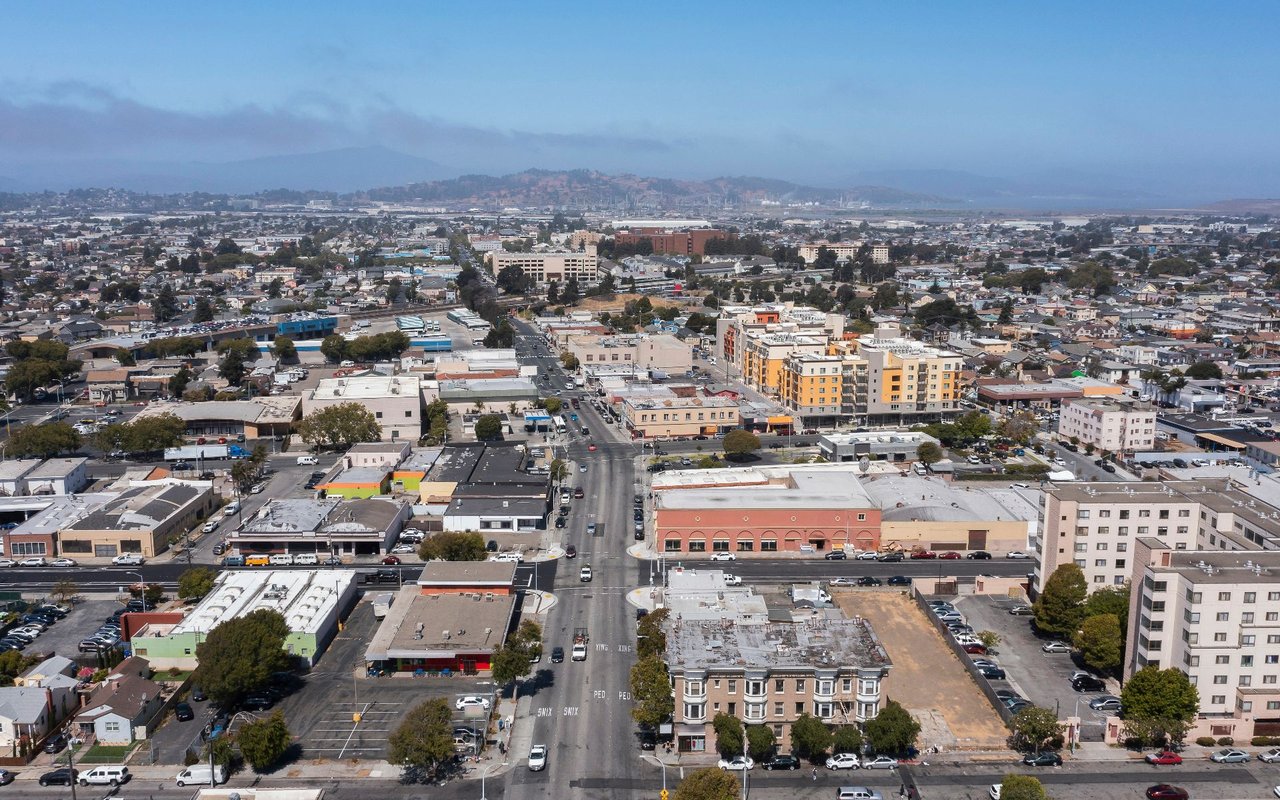
MacGregor was a prolific East Bay builder whose business expanded rapidly in Albany during the city’s early residential growth. His homes fit the compact street grid and small parcels that still define much of Albany, and many residential lots were originally platted at just 25 to 50 feet wide and 100 feet deep.
During the Great Depression, the city’s historical research says a two- or three-bedroom MacGregor could be purchased for about $4,000 to $5,000, with $500 down and monthly payments of $45. The houses were designed to be attainable and functional, but MacGregor did not treat modest size as a reason to abandon character.
His 1934 office building at Solano and Carmel avenues, later serving as the principal office of MacGregor Homes. To this day, the Spanish and Mediterranean Revival building remains a visible reminder of the company behind so much of Albany’s residential identity.
What does a MacGregor home look like?
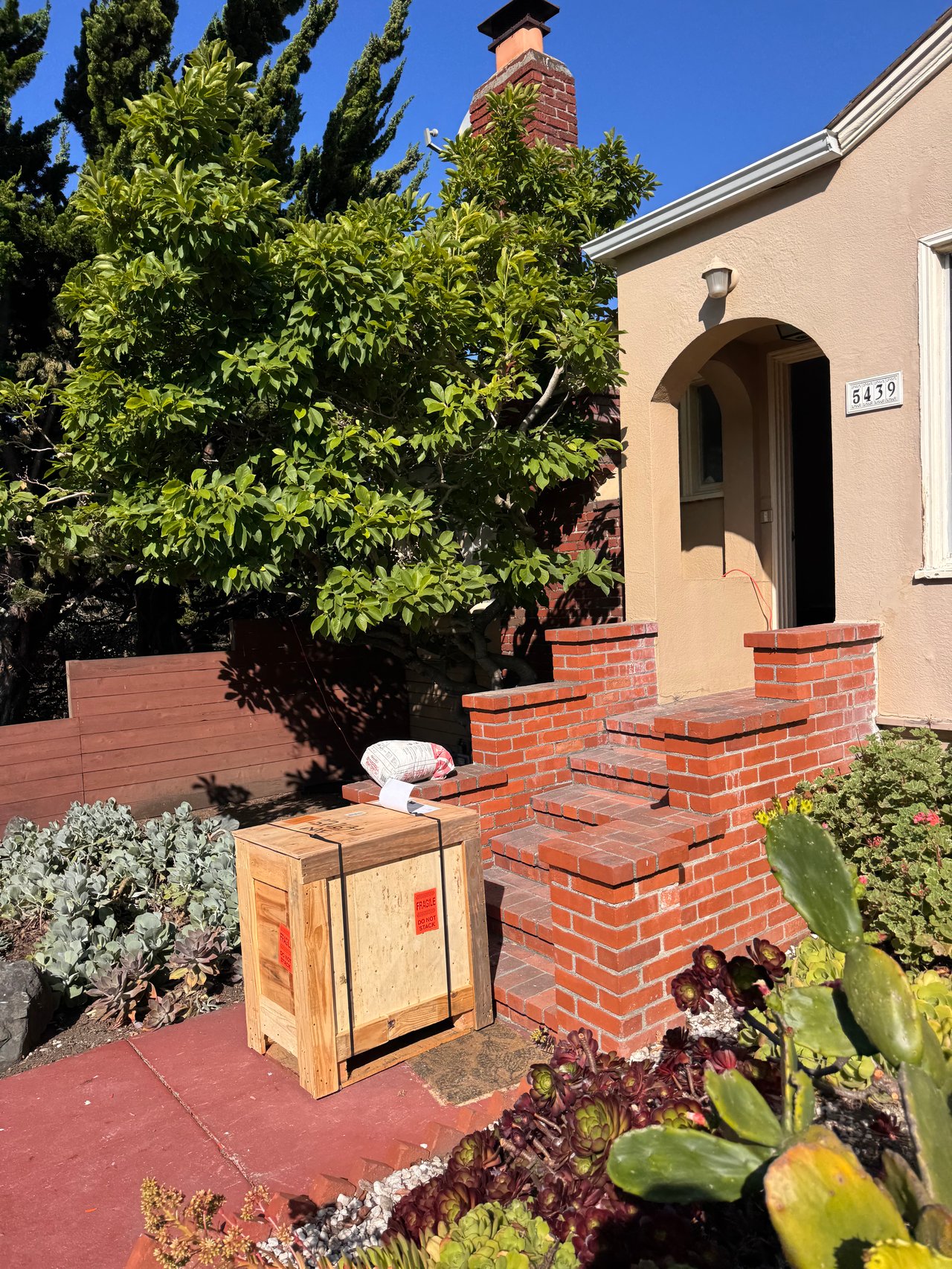
There is no single MacGregor blueprint, but most of the homes follow similar styles – mostly modest two- and three-bedroom houses drawing from California Bungalow and Period Revival styles.
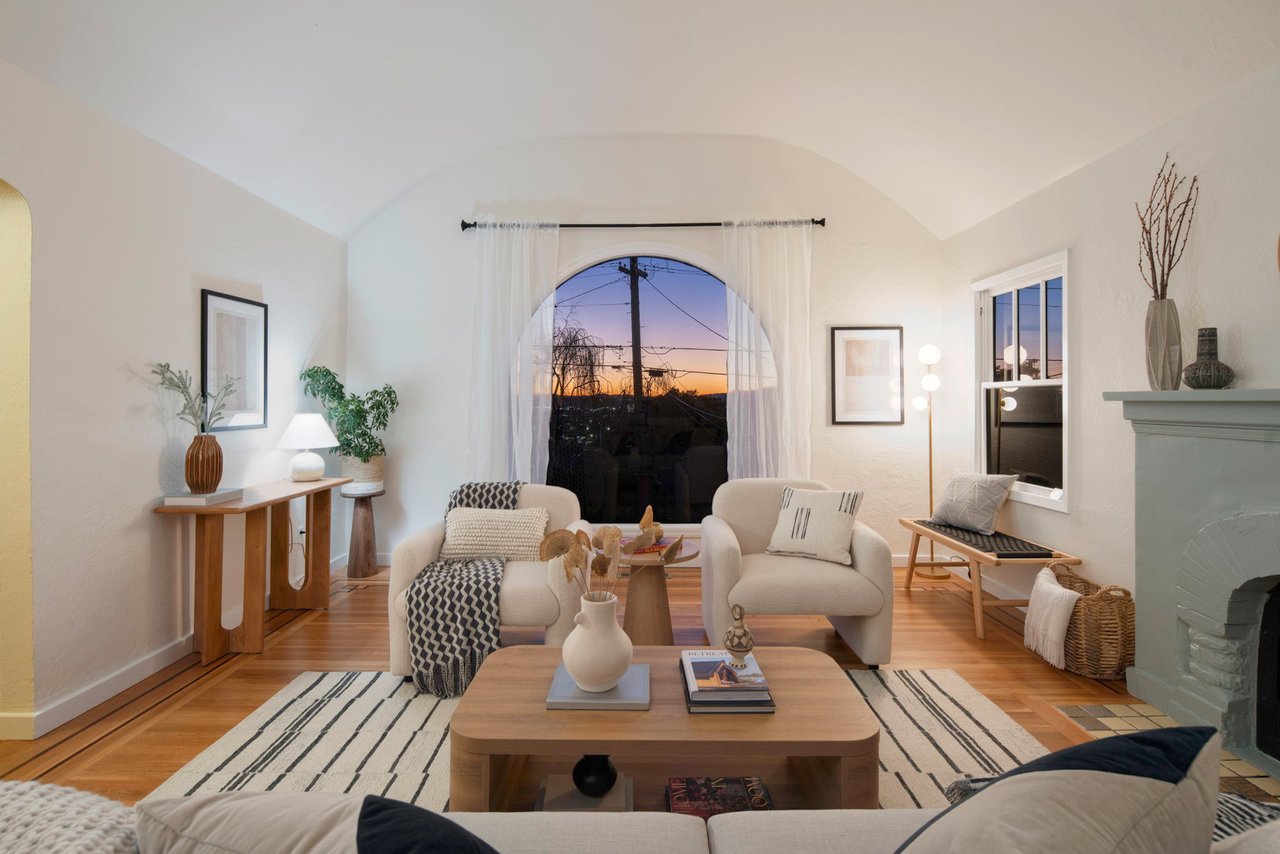
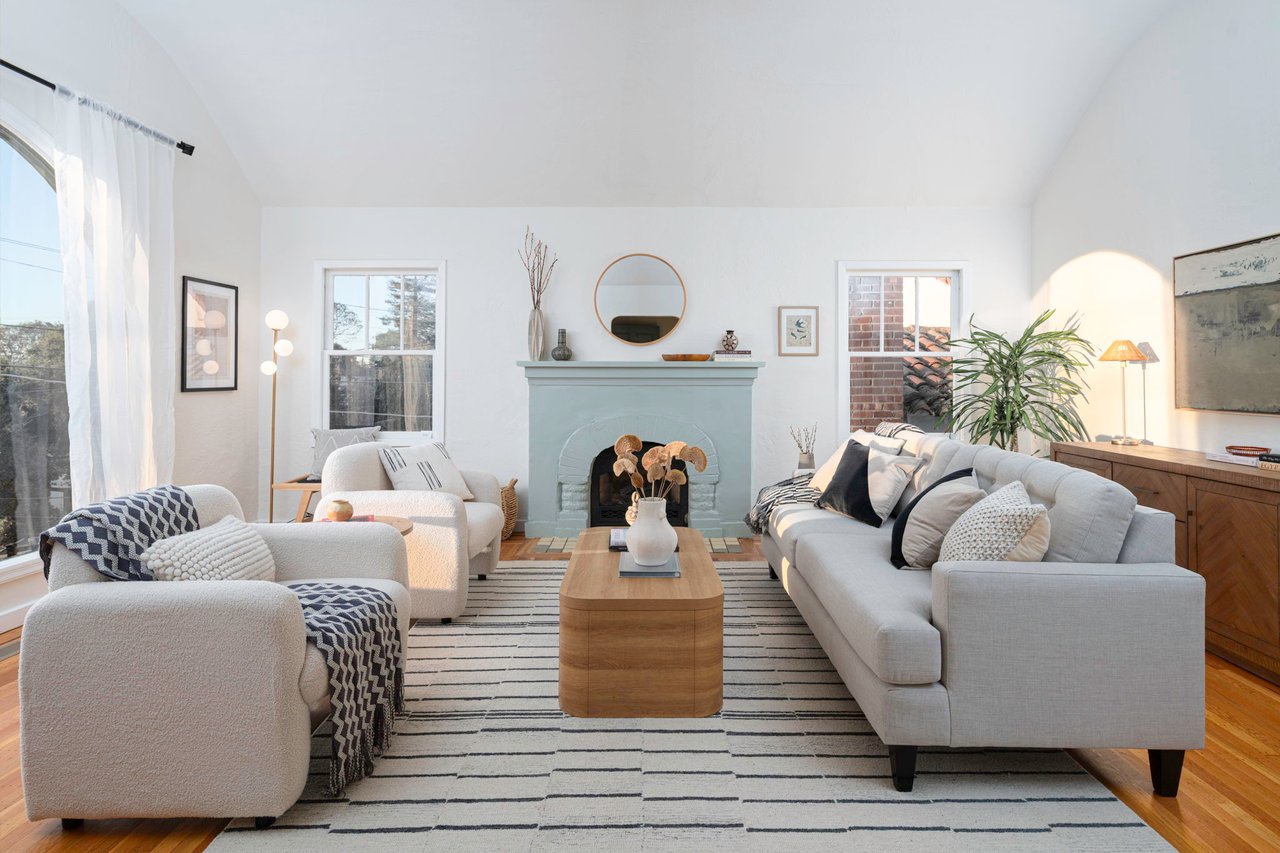
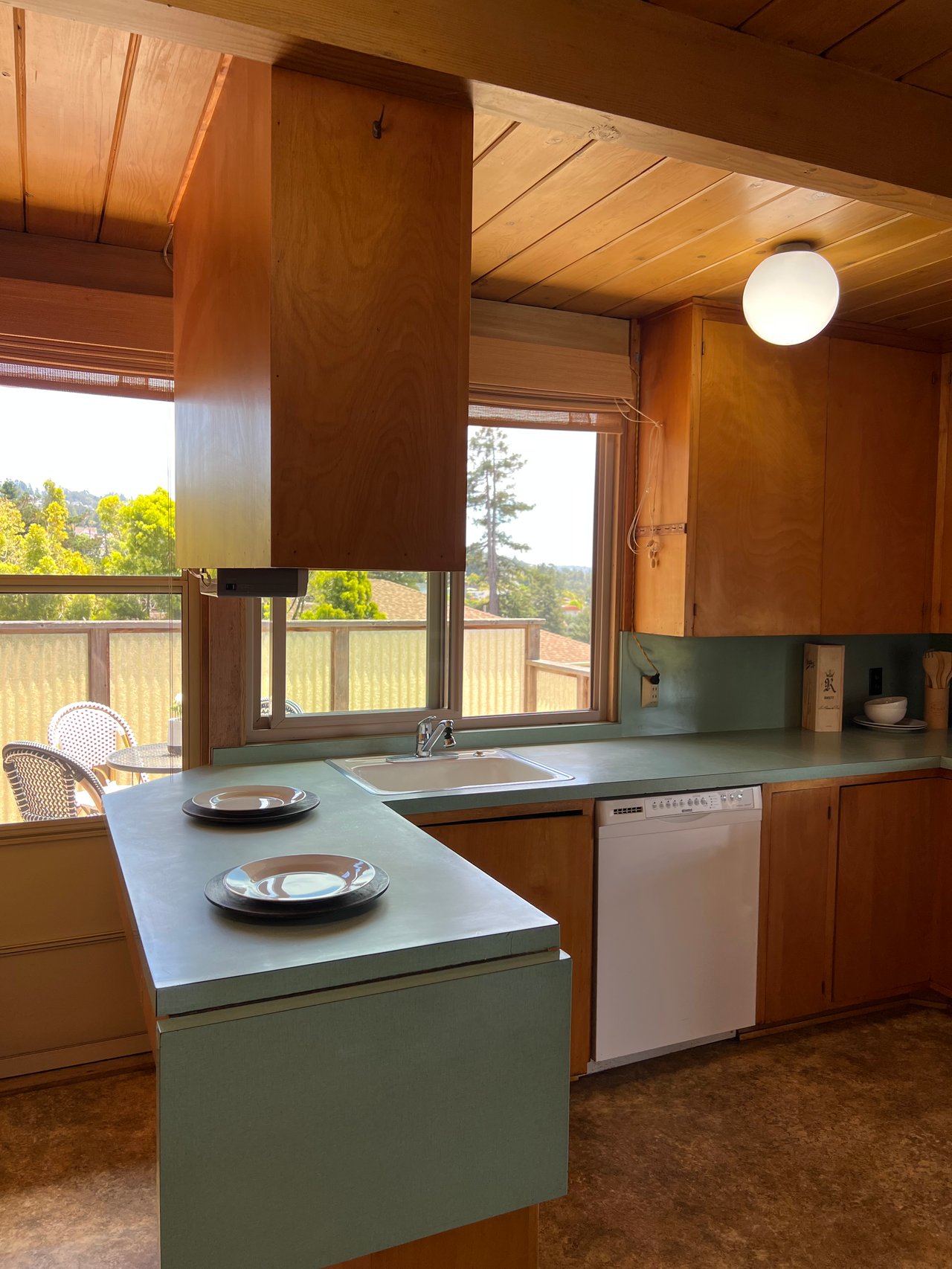
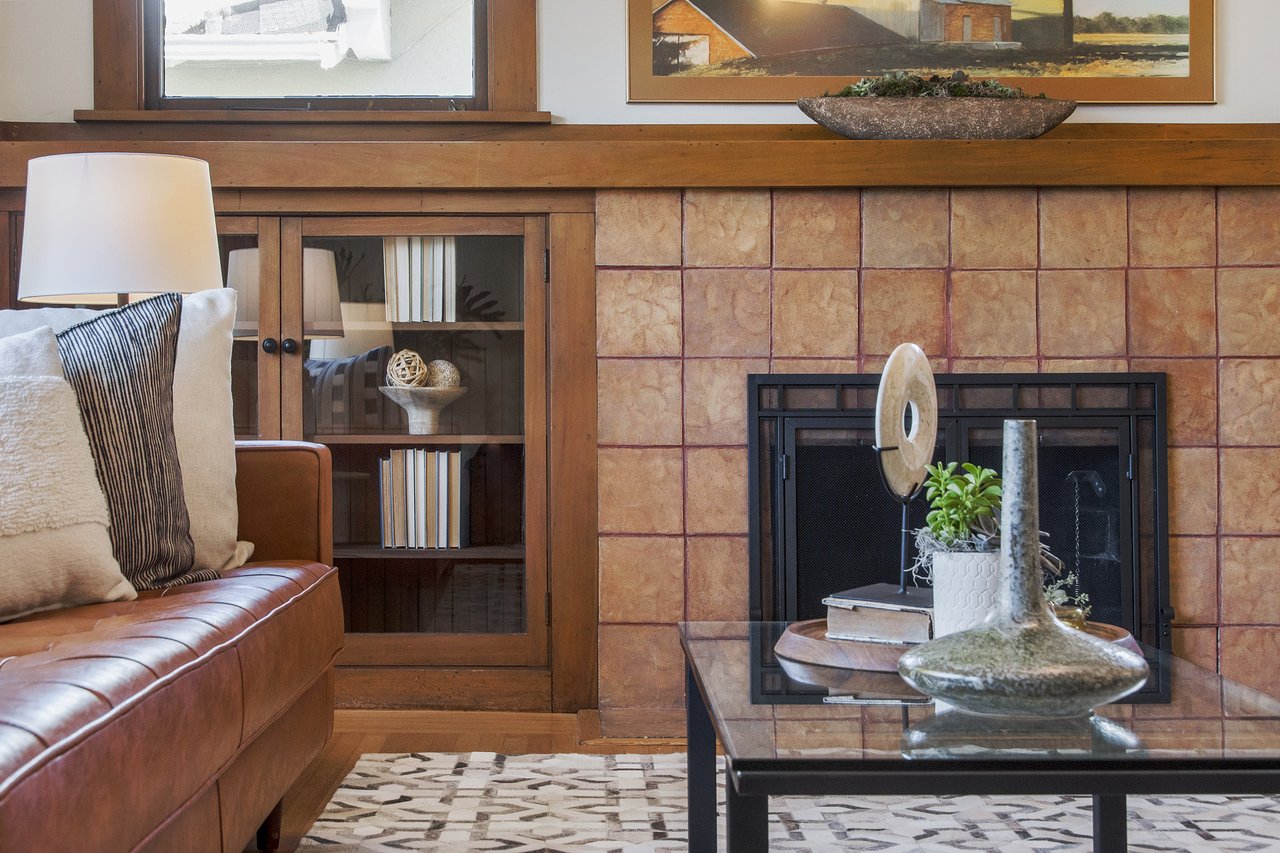
Some of the common-yet-unmistakable details include large picture windows, interior archways, tiled fireplaces, and built-in cabinetry. Many have Mediterranean influences, while others read more like California Bungalows. Split-level arrangements also appear frequently, helping compact homes make efficient use of narrow parcels.
How did MacGregor shape Albany’s streets?
MacGregor’s influence is less about one signature façade than repetition with variation. The homes generally share a human scale, but their rooflines, windows, entries,and decorative details give individual blocks texture.
That combo — compact houses, narrow lots, and thoughtful details — is a major part of Albany’s physical identity. MacGregor did not create the city’s grid, but his company filled much of it during a formative period, establishing a residential rhythm that remains easy to recognize.
What should buyers know about a MacGregor home?
“MacGregor” is a useful piece of a home’s history, not a substitute for documentation or inspection. A listing description may use the name loosely, but renovations can obscure original features. Buyers who want to confirm a home’s history should review available building records and ask which details are original.
Because these homes are approaching a century old, condition and past alterations matter more than the label alone. Before planning significant work, owners should also confirm current permit and design-review requirements with the City of Albany.
For the broader picture — including Albany’s housing, streets, transportation and everyday amenities — visit our guide to living in Albany, California.