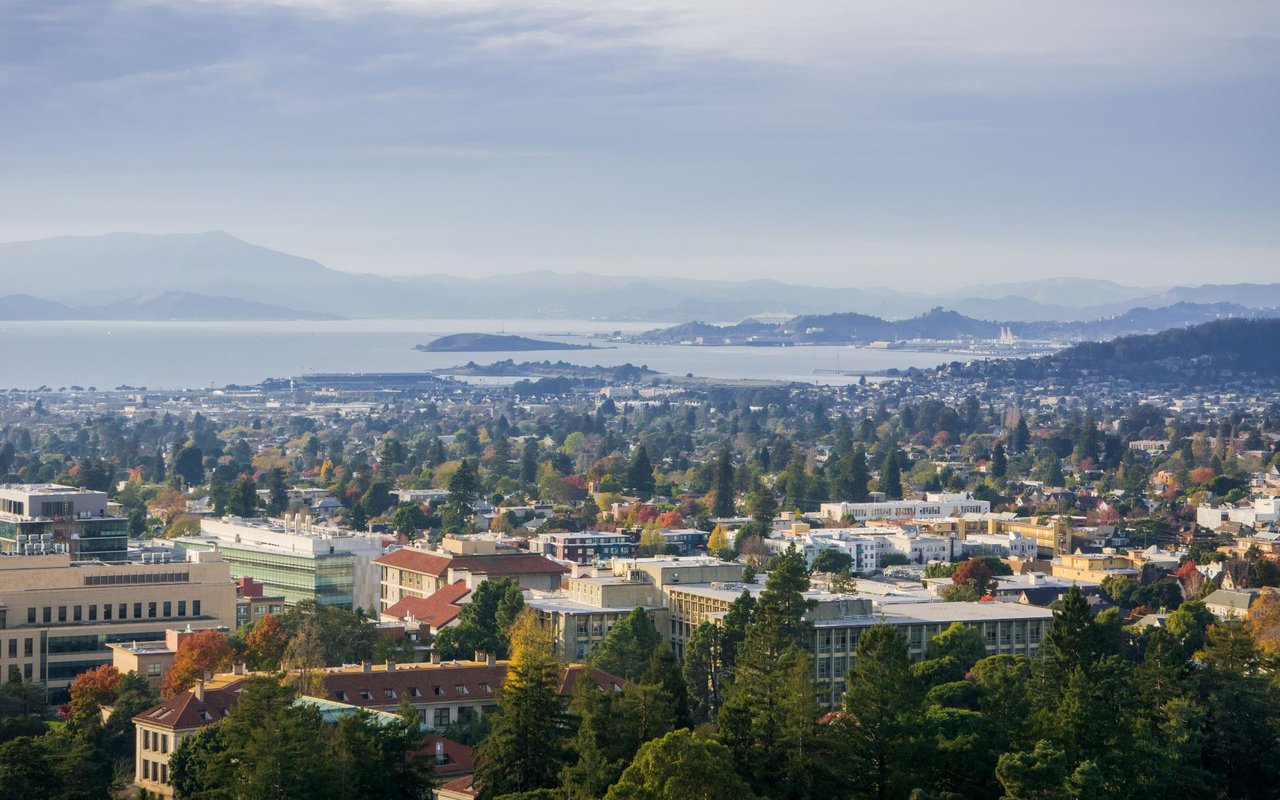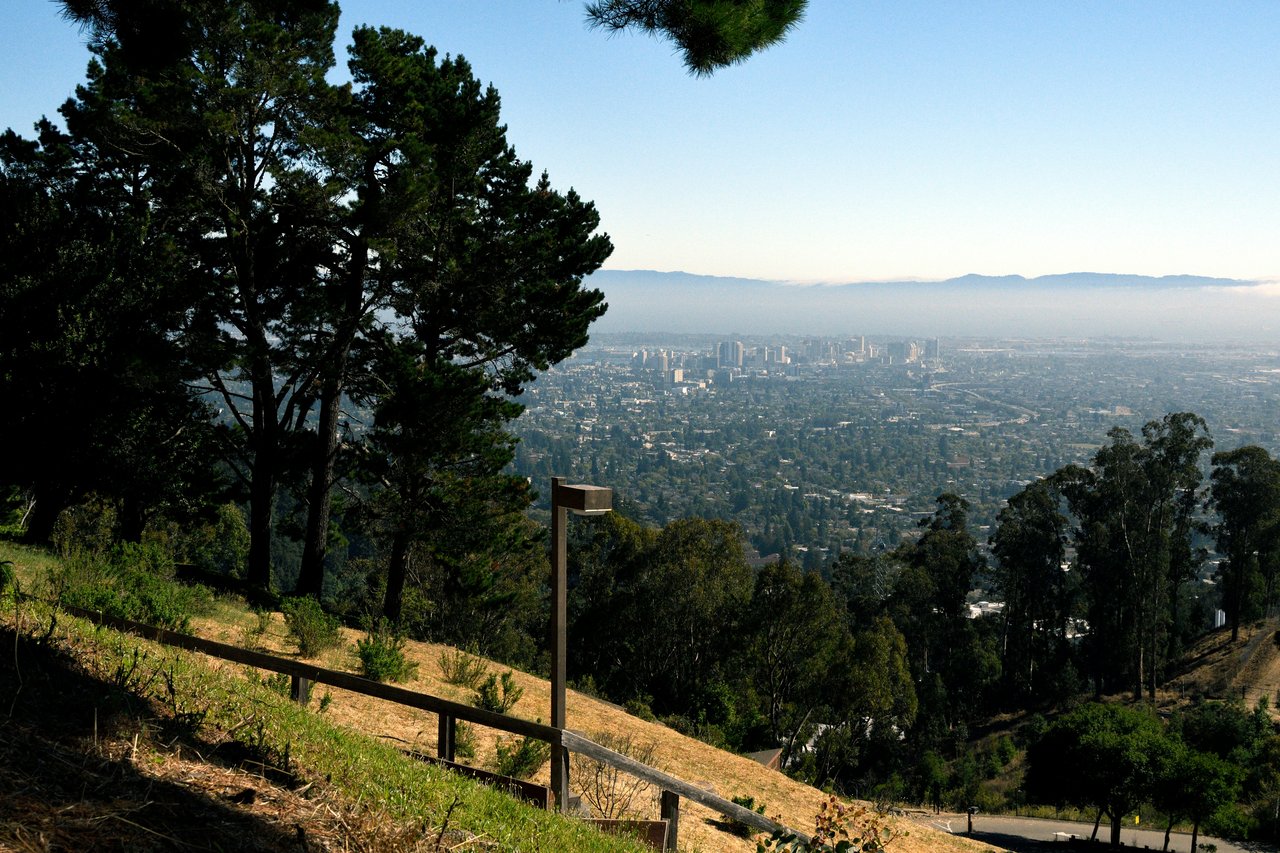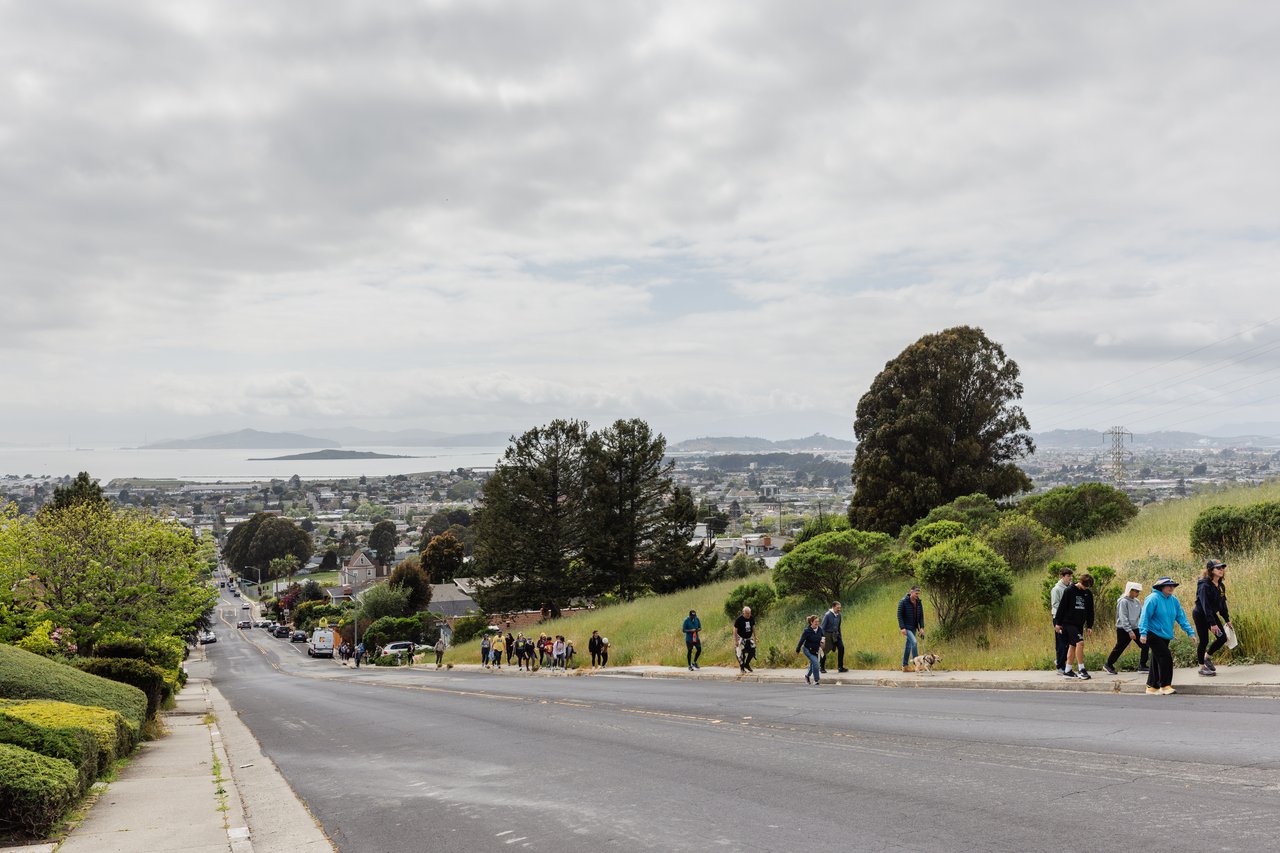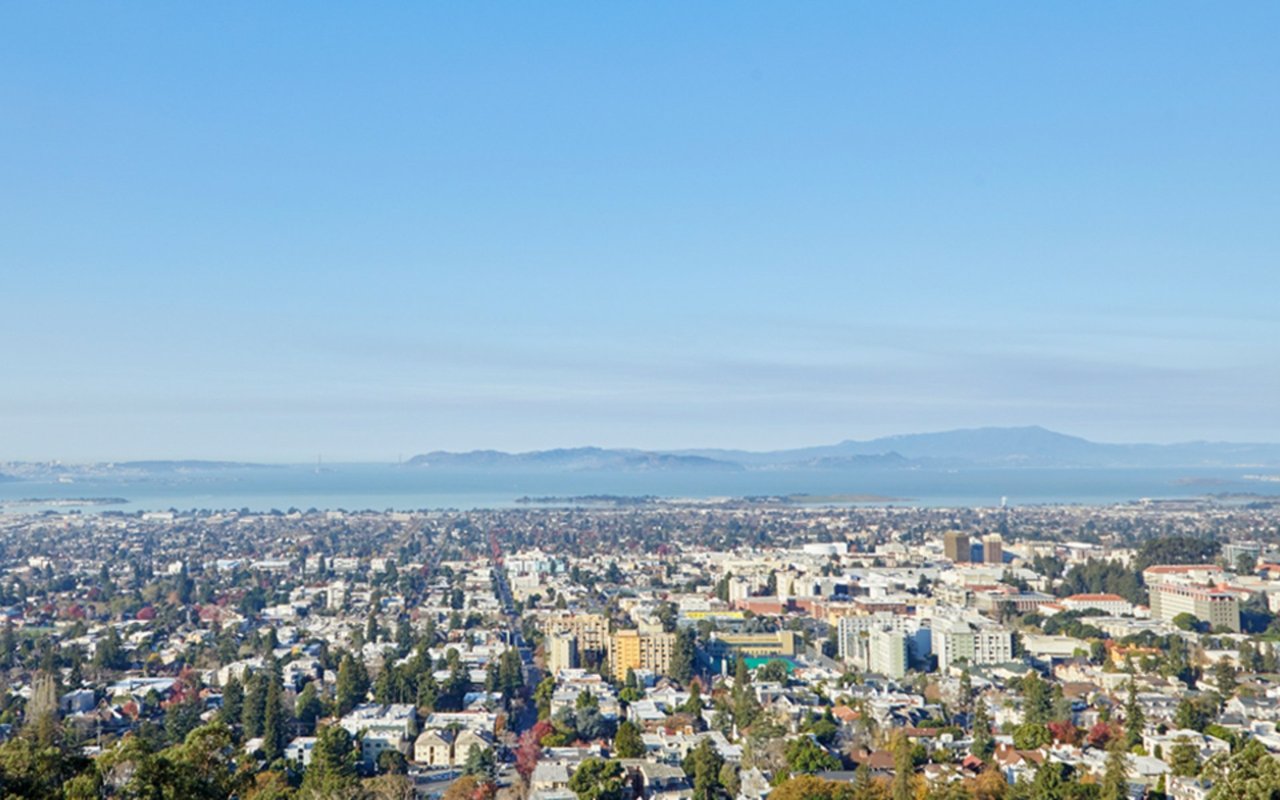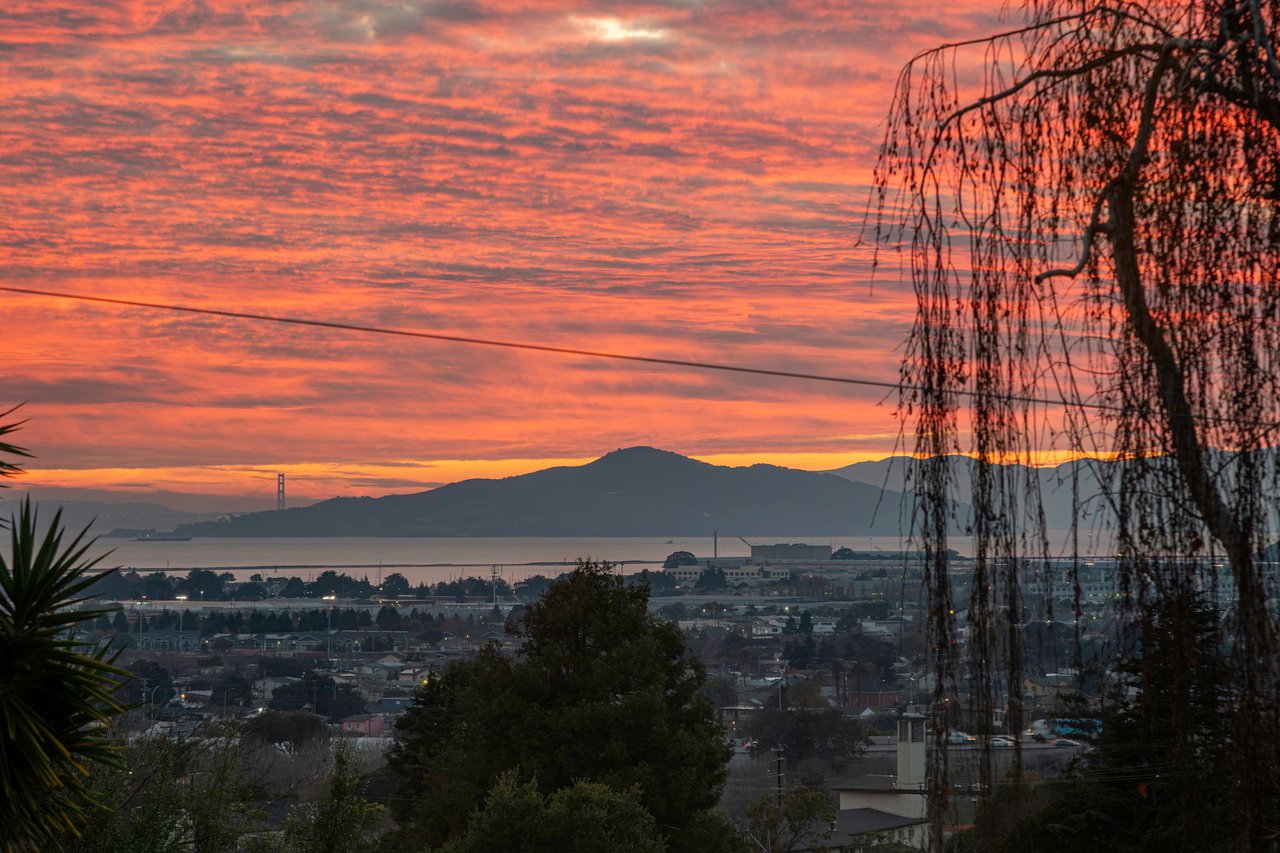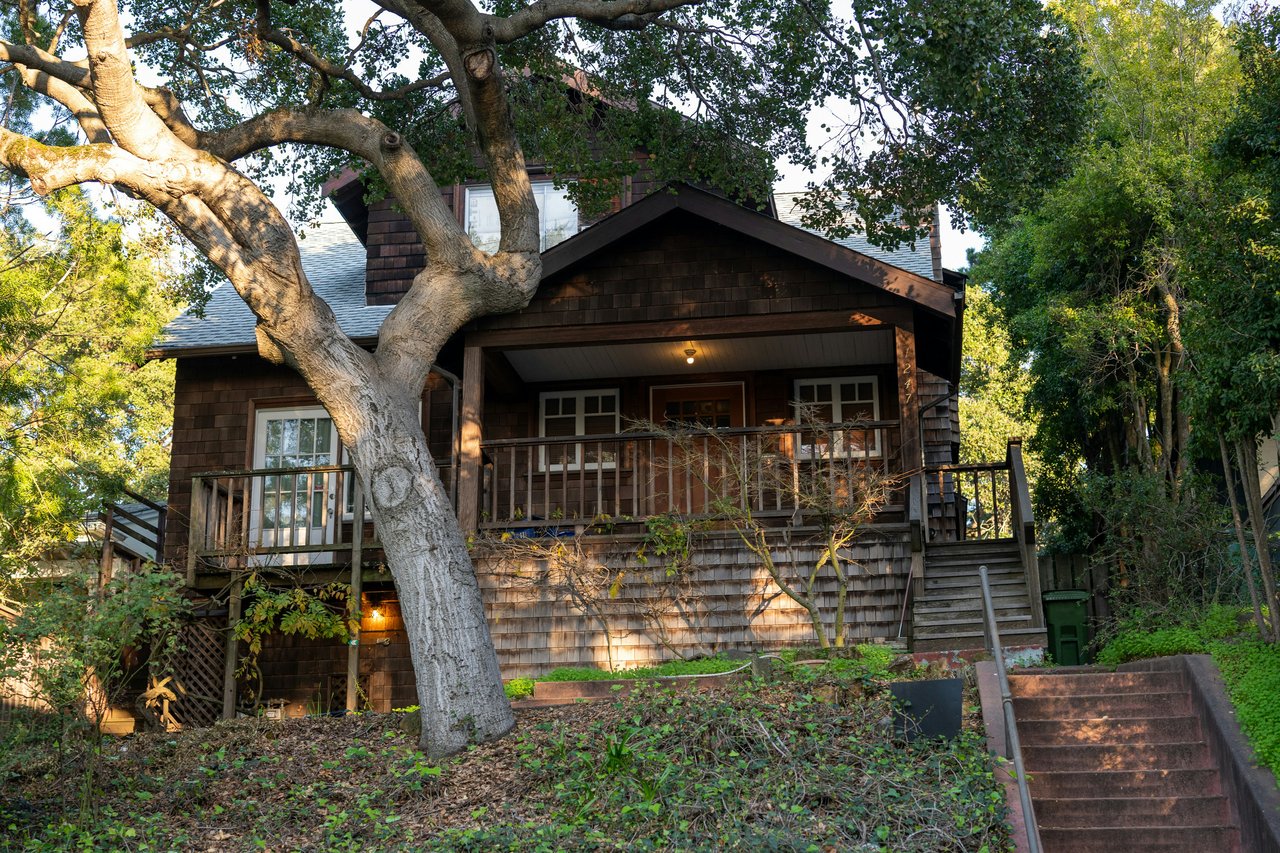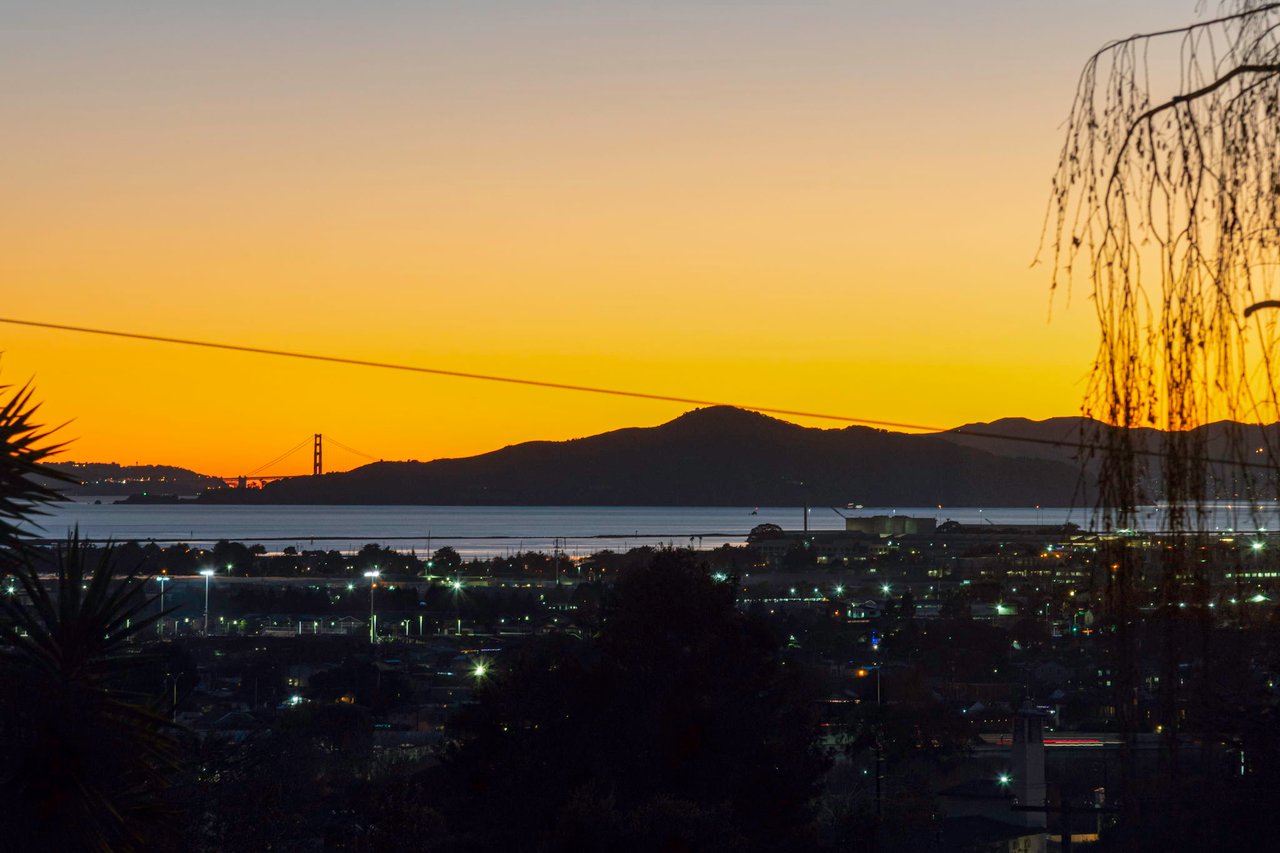
Blake Garden is a 10.6-acre public garden and working landscape laboratory in the Kensington hills. Managed by UC Berkeley’s Department of Landscape Architecture and Environmental Planning, it combines formal garden rooms, wooded slopes, creeks, rock outcroppings, and incredible views across San Francisco Bay.
It is a great place to go for a walk and see landscape design as an ongoing process. Students and faculty use the grounds for teaching and research, while the public can visit during posted open hours.
What is the history of Blake Garden?
UC Berkeley notes that Blake Garden sits on xučyun, the ancestral and unceded land of the Chochenyo-speaking Ohlone people.
The Blake estate itself took shape in 1922, when Anson and Anita Blake moved to the rugged hillside property. Anita and her sister, Mabel Symmes, created the first garden plan and established its major plantings. Symmes was among the first students to enroll in UC Berkeley’s landscape architecture program after the program was founded in 1913.
Rather than flattening the site into a single formal composition, the sisters worked with its slopes and microclimates. They created a progression of connected spaces, using the terrain to move visitors between different garden conditions.
The original estate covered 22 acres. The property was later divided, leaving approximately 10.5 acres around Blake House. The Blakes deeded the house and garden to the University of California in 1957, and the property passed to the university in 1962. Its management was eventually assigned to UC Berkeley’s landscape architecture department as a resource for teaching and research. The university’s Blake Estate collection includes historic photographs, plans and student projects documenting that evolution.
Why is Blake Garden called a landscape laboratory?
Blake Garden gives students a place to test ideas at full scale. UC Berkeley uses it for plant identification, planting design, spatial studies, surveying, mapping, and other landscape architecture work. Students can also participate in projects involving soil health, water management, invasive plants, pruning, and garden construction.
That work is visible throughout the grounds. Berkeley faculty, students, and garden staff have designed and built bee habitats, seating, paths, and planting areas. The result is not a garden preserved at one moment in time, but rather a historic structure alongside ongoing experiments in horticulture, habitat, and design.
What can visitors see at Blake Garden?
The garden’s distinct spaces make its 10-plus acres feel larger. A formal garden and reflecting pool contrast with a shaded canyon of tall redwoods. Elsewhere, visitors can find a California native wetland, reaches of Cerrito Creek, and a native pollinator garden.
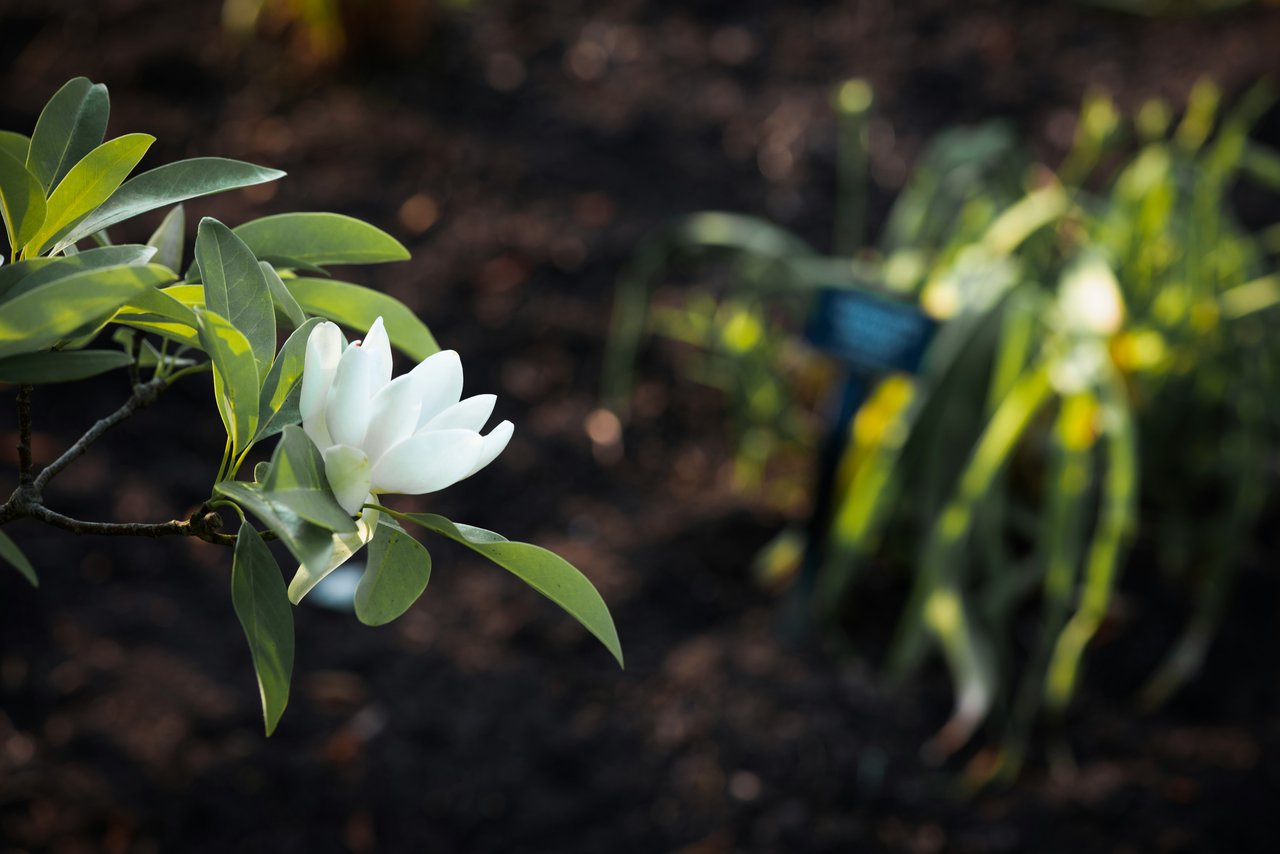
Other features include the Square Garden with flowering magnolias, a pergola by landscape architect Garrett Eckbo, and broad views toward San Francisco Bay. The shifts in slope, exposure, and vegetation are part of the experience — and part of what makes the property useful for teaching.
What should you know before visiting?
Blake Garden is open to the public during designated hours, with no admission fee or reservation required. Check the official Blake Garden page for current hours and closures before going.
The grounds are built into a steep hillside. Parts of the garden are wheelchair accessible, but not every path or area will work for every visitor.
Blake Garden also offers a compact introduction to Kensington itself. Its slopes, rock formations, views, and changing microclimates reveal how much the local terrain shapes gardens, streets, and individual properties.
For more about the surrounding community, visit our Kensington community guide.